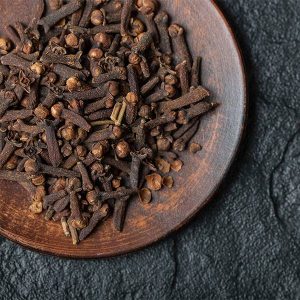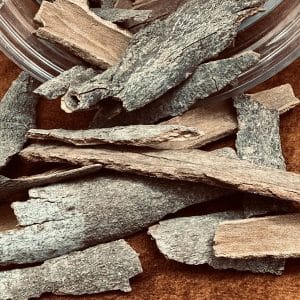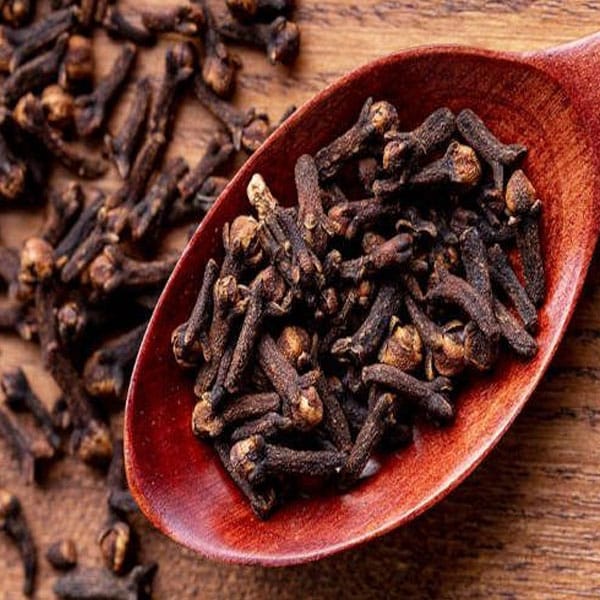
If you have ever stood in front of a recipe that calls for one form of clove while your pantry holds only the other, you already know this is not a trivial question. Cloves are among the most potent spices in the kitchen, and the form you choose changes how quickly the flavor arrives, how long it lasts, and how much control you have over the final dish. If you want a refresher on the bud itself before comparing forms, start with what a clove actually is, then come back here for the practical decision.
Ground cloves release their flavor faster and more intensely, but they also lose it faster. Whole cloves release flavor slowly and steadily, and they keep their aroma far longer on the shelf. So the choice is really about timing: use ground cloves when you want flavor distributed evenly and immediately, and use whole cloves when you want a gradual infusion you can remove at the end.
Why the Two Forms Behave So Differently
A whole clove is a dried flower bud with its aromatic oils sealed inside a dense, woody structure. Those oils, mainly eugenol, are what give cloves their warm, peppery, almost medicinal intensity. As long as the bud stays intact, the oils escape slowly, only when heat, moisture, or time breaks through the surface.
Grinding changes everything. When you crush a clove into powder, you expose an enormous amount of surface area at once. Heat and liquid reach the oils almost instantly, which is why ground cloves seem to “hit” a dish within minutes. The same exposure works against you in storage, because air and light strip those oils away much sooner. Ground cloves in a half-forgotten jar can taste like little more than dusty sweetness within a year or so, while whole cloves can stay vivid for years.
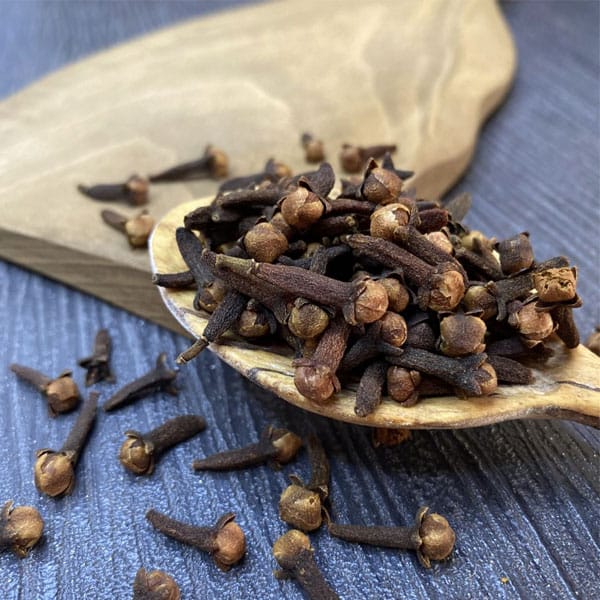
whole cloves vs ground cloves
When Whole Cloves Are the Better Choice
Whole cloves shine in dishes that cook slowly in liquid, where you want depth without harshness.
Braises, stews, and stocks. A few cloves in a long simmer give a quiet background warmth, and you can fish them out before serving.
Rice dishes and pilafs. Whole cloves bloomed in hot oil or butter perfume the entire pot without leaving grit in the grains.
Mulled wine, cider, and chai. Steeping whole spices keeps the drink clear and lets you stop the infusion the moment it tastes right.
Pickling brines and poaching liquids. Whole cloves give a clean, controlled flavor that does not cloud the liquid.
Studded ham or onion. The classic technique of pressing cloves into the surface only works with whole buds, and it flavors the dish gently from the outside in.
The main advantage here is control. Because the flavor builds slowly, you can taste as you go and remove the cloves when the balance is right. The main drawback is that nobody enjoys biting into a whole clove by accident, so count them going in and count them coming out.
When Ground Cloves Are the Better Choice
Ground cloves belong in recipes where the spice needs to disappear into the food and flavor every bite evenly.
Baked goods. Gingerbread, spice cake, pumpkin pie, cookies, and quick breads all depend on ground spice distributing smoothly through the batter.
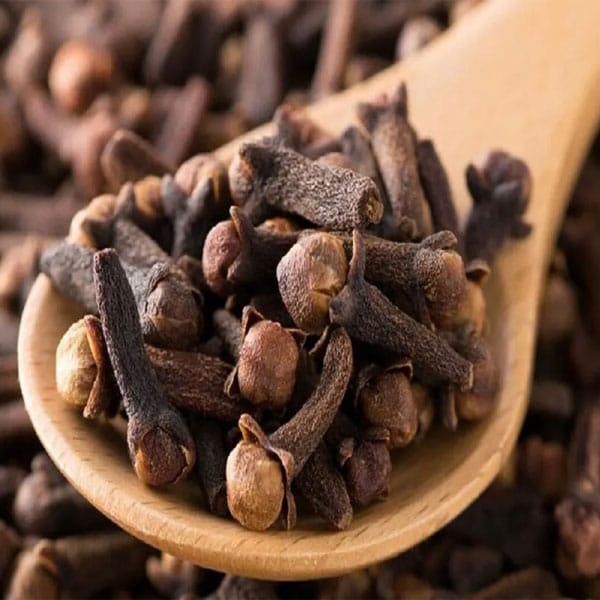
whole cloves vs ground cloves
Spice blends. Garam masala, pumpkin pie spice, and many curry and barbecue rubs require a fine powder that blends with other ground spices.
Quick-cooking dishes. In a sauce or custard that only simmers briefly, whole cloves would not have time to give up their flavor, but ground cloves will.
Dry rubs and marinades. Powder clings to the surface of meat and penetrates quickly.
The trade-off is that ground cloves are unforgiving. A small excess turns a dish bitter, numbing, and almost medicinal, and once it is stirred in, you cannot take it back. Measure carefully and add less than you think you need.
How to Substitute One for the Other
Swapping forms is possible, but the numbers are less exact than most conversion charts suggest. The commonly used rule of thumb is about one-eighth of a teaspoon of ground cloves for each whole clove. That ratio is a convention agreed on by cooks, not a measurement derived from the spice, because buds vary in size, freshness, and potency.
Treat it as a starting point rather than a rule:
Going from whole to ground: Start with slightly less than the conversion suggests, stir it in, and taste before adding more.
Going from ground to whole: Use fewer cloves than the math says, simmer them, and taste periodically. You can always leave them in longer, but you cannot undo an overpowering infusion.
Adjust for the cooking time. If you replace whole cloves with ground in a long braise, add the powder later so its flavor does not fade or turn bitter over hours of heat.
If the recipe is a baked good, grinding whole cloves yourself in a spice grinder or mortar usually gives a stronger, fresher result than the jar on your shelf.
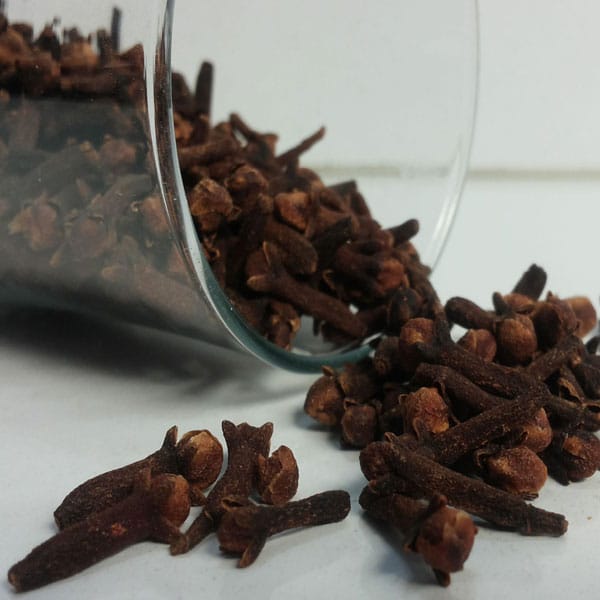
whole cloves vs ground cloves
Freshness: The Factor Most People Overlook
The real difference between the two forms often comes down to age. A fresh jar of ground cloves can outperform whole cloves that have sat open and neglected, and a fresh whole clove can outperform stale powder every time. You can test either one with your nose and your fingernail:
Whole cloves: Press a thumbnail into the bud’s thick end. Fresh cloves release a faint oily sheen and a sharp aroma. Dry, pale, odorless buds are past their best.
Ground cloves: Rub a pinch between your fingers. If the smell is weak or flat, the flavor in your dish will be too.
Knowing where your spice comes from also helps you judge quality, and the clove record explains how origin, harvest, and drying shape what ends up in your kitchen.
For storage, keep both forms in airtight containers away from heat, light, and moisture. Whole cloves can reasonably last two to three years, while ground cloves are best used within about six months to a year.
A Simple Decision Guide
Ask yourself two questions before you reach for the jar.
Will the dish cook for a long time in liquid? Choose whole cloves.
Does the spice need to blend invisibly into batter, dough, or a rub? Choose ground cloves.
If you are unsure, remember the underlying principle: whole cloves give you control and longevity, while ground cloves give you speed and even distribution. Match the form to the way the dish is built, and you will rarely go wrong.
Records mentioned in this article

Frequently Asked Questions
You can, but the drink will turn cloudy and gritty, and it is easy to overshoot the flavor. Whole cloves are the better choice here.
Per unit of volume, yes, because the oils are exposed and release immediately. That is why you need so much less of the powder.
By the common convention of one-eighth teaspoon per bud, a teaspoon equals about eight whole cloves. Treat that as an estimate and taste as you cook.