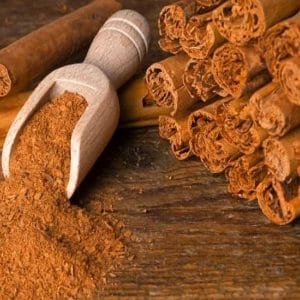
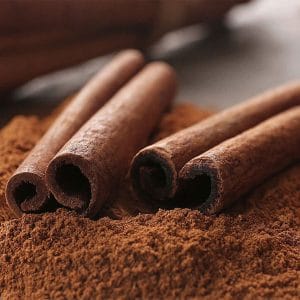
The global spice trade is built on trust, but when it comes to premium ingredients, economic motivation often leads to supply chain fraud. One of the most prevalent and concerning issues in the botanical market today is the misrepresentation of cinnamon. True Ceylon cinnamon (Cinnamomum verum), often heralded as “true cinnamon,” is prized for its delicate, complex flavor profile and its remarkably low levels of coumarin. However, due to its high market value and labor-intensive harvesting process, it is frequently adulterated with or entirely replaced by Cassia cinnamon (Cinnamomum cassia). While discerning buyers might know how to tell the two barks apart when purchasing whole quills, the powdered form strips away all visual clues, creating a perfect environment for undisclosed substitution.
As a sourcing professional or an informed consumer, understanding the mechanics, risks, and detection of cinnamon adulteration is no longer optional—it is a critical necessity for ensuring product safety and authenticity.
The Economic Drivers of Spice Fraud
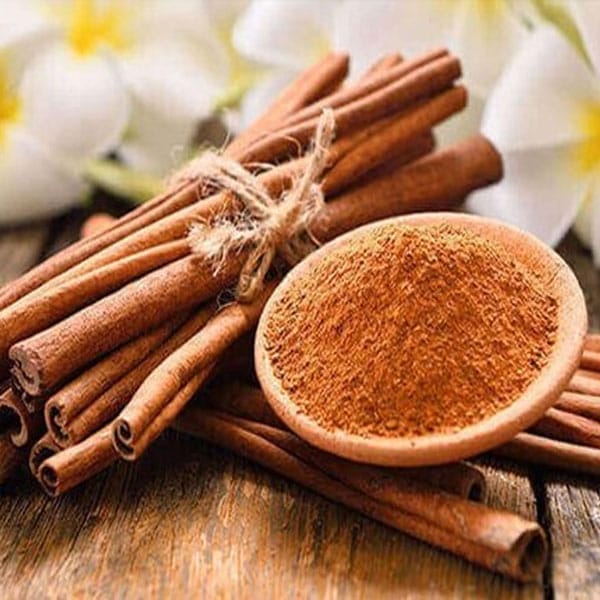
To understand why Cassia is routinely sold as Ceylon, we must look at the economics of the spice trade. Ceylon cinnamon is primarily cultivated in Sri Lanka. Its harvesting requires skilled peelers who carefully strip the ultra-thin inner bark of the tree, rolling it into fragile, multi-layered quills. This meticulous process limits supply and drives up the price.
cinnamon adulteration ceylon
Cassia cinnamon, predominantly grown in China, Indonesia, and Vietnam, is much cheaper to produce. The bark is thicker, harder, and harvested with far less precision. On the wholesale market, Ceylon can cost multiple times more per kilogram than Cassia. For unethical suppliers and middlemen, blending Cassia into Ceylon powder—or simply mislabeling pure Cassia as Ceylon—offers a massive, illicit profit margin. The untrained palate might simply register a stronger, spicier kick (characteristic of Cassia’s higher cinnamaldehyde content), completely unaware that a premium price was paid for a cheaper commodity.
The Coumarin Discrepancy
While the economic fraud is frustrating, the real concern with cinnamon adulteration is rooted in consumer health. The primary biochemical differentiator between Ceylon and Cassia is a naturally occurring compound called coumarin. In high, sustained doses, coumarin is known to cause hepatotoxicity (liver damage) in sensitive individuals.
Authentic, unadulterated Ceylon bark is incredibly safe. Scientific analysis confirms that true Ceylon naturally contains minimal amounts of this compound, typically testing anywhere from a mere 12 to 133 mg/kg. However, the reality of the commercial market tells a very different story. Routine testing of retail samples explicitly labeled as “Ceylon powder” frequently uncovers massive coumarin spikes, with some fraudulent samples containing up to 3,462 mg/kg. If you want to dive deeper into how these extreme testing figures are documented across the industry, you can review the cinnamon record).
These alarming numbers indicate that what is being sold as a premium, low-coumarin health food is, in fact, heavily cut with—or entirely composed of—cheap Cassia.
The 2020 ConsumerLab Findings
The supplement industry, where consumers actively seek out Ceylon cinnamon in capsule form for its purported blood sugar management benefits, is particularly vulnerable to this type of adulteration. Because buyers are consuming these capsules daily in concentrated doses, authenticity is a matter of strict safety.
A striking example of this vulnerability was highlighted in a rigorous 2020 review conducted by ConsumerLab, an independent testing organization that evaluates health and wellness products. When they tested various cinnamon supplements on the market, the results revealed a shocking paradox: the single supplement that contained the absolute highest levels of coumarin in their testing pool was explicitly labeled and marketed as “Ceylon” cinnamon.
cinnamon adulteration ceylon
Without pointing fingers at any specific brand—as supply chain blind spots can occasionally trick even well-meaning companies—this finding is a massive wake-up call. It proves that a label claim is simply not enough. Without verified third-party laboratory testing specifically measuring coumarin and cinnamaldehyde ratios, the word “Ceylon” on a bottle or bag offers zero guarantee of authenticity.
Navigating Food Safety and Legal Boundaries
Because of the known liver toxicity risks associated with coumarin, governing bodies take this metric very seriously. European regulatory agencies, in particular, have established strict maximum limits for coumarin in baked goods, desserts, and daily dietary intake. When suppliers adulterate Ceylon with Cassia, they aren’t just cheating the buyer financially; they are actively risking public health and routinely violating the regulated limits. Food manufacturers purchasing bulk cinnamon must be hyper-vigilant, as incorporating heavily adulterated cinnamon into their recipes could result in widespread product recalls, legal liability, and irreversible brand damage.
How Sourcing Experts and Buyers Can Protect Themselves
In an industry rife with substitution, how do you guarantee the origin and purity of your cinnamon?
Demand Comprehensive COAs: A standard Certificate of Analysis is not enough. Sourcing managers must demand lot-specific COAs that explicitly quantify coumarin levels. If a supplier claims they are selling Ceylon but the coumarin levels exceed 150-200 mg/kg, the batch is compromised.
Conduct Independent Lab Verification: Never rely solely on the supplier’s paperwork. Forward-thinking brands send random samples from every bulk shipment to accredited third-party botanical testing labs (using HPLC analysis) to verify the coumarin and cinnamaldehyde profile.
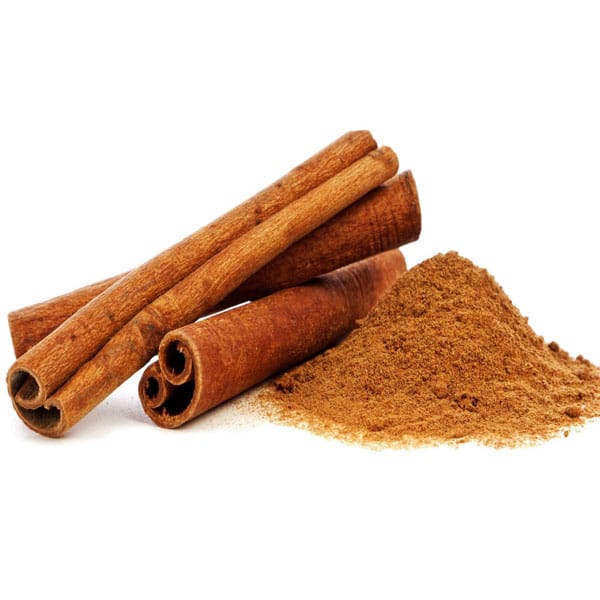
cinnamon adulteration ceylon
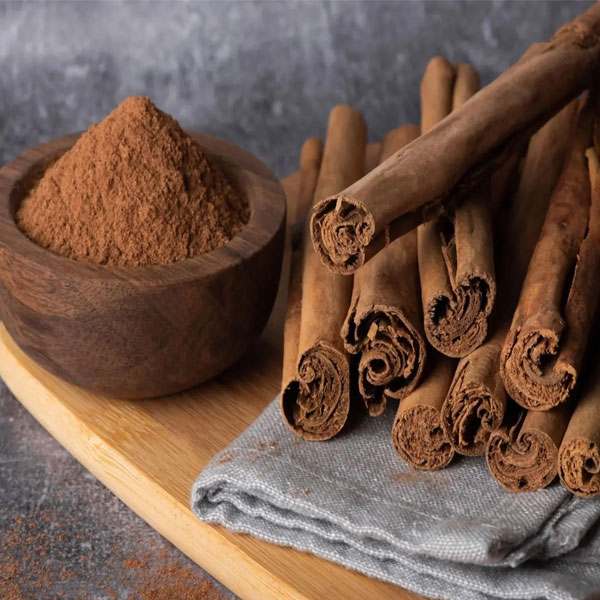
Purchase Whole Quills When Possible: For specialized retailers and artisanal producers, buying whole cinnamon sticks and milling them in-house is the ultimate safeguard. Cassia bark is thick, tough, and forms a single inward curl, whereas Ceylon forms delicate, cigar-like layers. It is impossible to pass off whole Cassia as whole Ceylon to an educated buyer.
Traceability to the Source: Work with importers who have direct relationships with Sri Lankan cooperatives. The shorter the supply chain, the fewer opportunities there are for a middleman to introduce Cassia into the milling equipment.
True Ceylon cinnamon is a remarkable botanical, offering a sophisticated flavor and a safe chemical profile. By understanding the motives behind adulteration and strictly enforcing chemical testing, the industry can protect the integrity of this ancient spice and ensure that when consumers pay for Ceylon, Ceylon is exactly what they get.
Records mentioned in this article

Frequently Asked Questions
It is extremely difficult. Cassia has a sharper, more pungent “cinnamon” flavor due to higher cinnamaldehyde, which easily overpowers the delicate, floral notes of Ceylon. Once ground and blended, chemical analysis is the only reliable way to detect adulteration.
For occasional culinary use (like baking a pie), Cassia is perfectly safe. However, if you are consuming cinnamon daily in large quantities (such as in smoothies or health supplements), the high coumarin content in Cassia poses a risk of liver toxicity, making authentic Ceylon the required choice.
Advanced botanical testing using High-Performance Liquid Chromatography (HPLC) is expensive and adds to the production cost. Many budget brands skip this step, relying blindly on their supplier’s word, which unfortunately leads to the mislabeling issues seen in independent market reviews.