If you have ever opened a bottle of pure vanilla extract and taken a deep breath, you know the aroma is nothing short of intoxicating. It is the backbone of almost every great baking recipe, from delicate custards to hearty chocolate chip cookies. But have you ever looked at the price tag of a high-quality, pure vanilla extract at the grocery store? It is enough to make any home baker wince.
The secret that specialty food stores do not want you to know is this: learning how to make vanilla extract at home is incredibly simple, far more cost-effective, and yields a product that tastes infinitely better than anything you can buy in a commercial aisle. Store-bought versions are often diluted with water or corn syrup to mask the use of lower-quality beans. By crafting it in your own kitchen, you take complete control of the quality, resulting in a rich, dark elixir that will elevate all your culinary creations.
Why Homemade Vanilla Extract is Superior
Making your own extract is not just a fun weekend project; it is a serious upgrade to your pantry. When you make it yourself, you rely purely on time, alcohol, and the vanilla bean itself. There are no artificial colors, no synthetic vanillin, and no hidden sugars.
Furthermore, homemade vanilla extract makes an incredibly thoughtful and luxurious gift for holidays, weddings, or housewarmings. Once you understand the basic science of extraction, you can start experimenting with different types of vanilla beans and spirits to create custom flavor profiles that you simply cannot buy anywhere else.
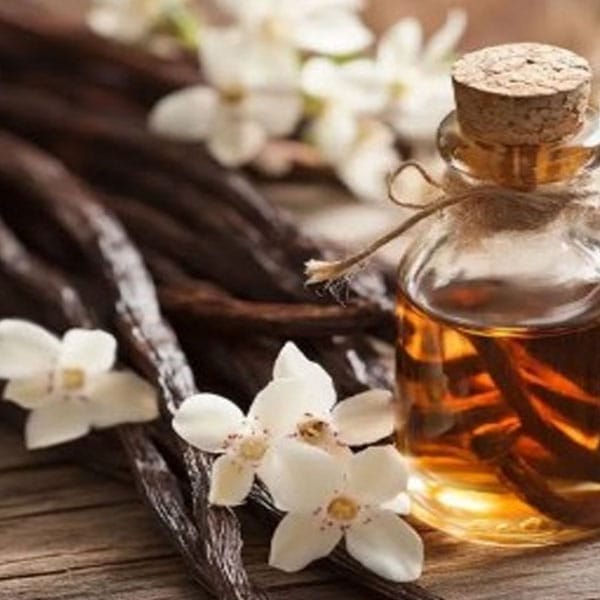
how to make vanilla extract
The Core Ingredients
You only need two ingredients to make magic happen: vanilla beans and alcohol. However, the quality and type of these two ingredients will completely determine the success of your extract.
The Secret to Extract: Use Grade B Vanilla Beans
When you shop for vanilla beans, you will typically see two options: Grade A and Grade B. While Grade A beans are plump, visually beautiful, and moist (perfect for slicing open and scraping the seeds directly into a dessert), they are actually not the best choice for making extract.
For the best homemade vanilla extract, you absolutely want to use Grade B vanilla beans. Here is why:
Lower Moisture, Higher Concentration: Grade B beans are visibly drier and less visually appealing. Because they have a significantly lower moisture content (typically around 15-20%), they contain a much higher concentration of natural flavor compounds and oils per ounce. This means they will infuse your alcohol much more effectively without watering it down.
More Economical: Grade B beans are noticeably cheaper than their Grade A counterparts. Since the visual appearance of the bean does not matter when it is chopped up and submerged in alcohol, paying a premium for Grade A aesthetics is a waste of money.
If you want to understand the deeper nuances of these classifications and how the industry grades them, checking out our comprehensive guide on Vanilla Grading is a great place to start.
What Works Best?
The standard and most versatile alcohol for making vanilla extract is 80-proof (40% ABV) vodka. Vodka has a neutral flavor profile, which allows the pure, unadulterated, and complex flavor of the vanilla bean to shine through without any competition. You do not need top-shelf, expensive vodka; a mid-range, affordable bottle will do the job perfectly because the intense vanilla oils will completely mask any harsh alcohol notes over time.
However, you are not limited to vodka. If you want to experiment, different spirits can create incredible, nuanced extracts:
Bourbon: Adds a smoky, sweet, and caramel undertone that pairs beautifully with chocolate desserts, pecan pies, and heavy winter baking.
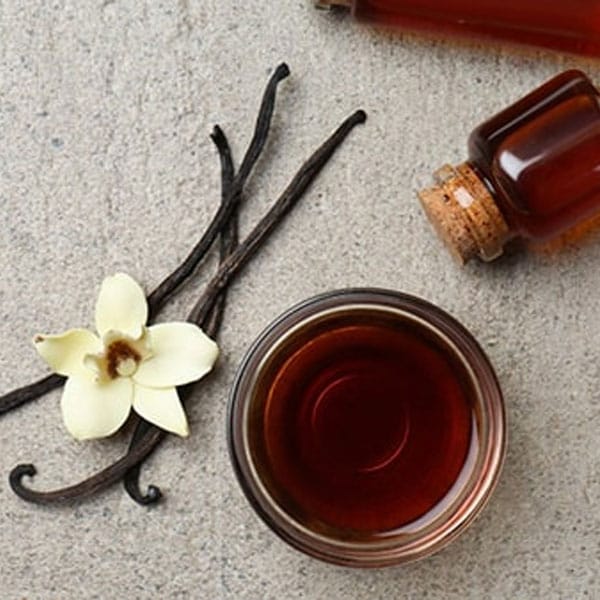
how to make vanilla extract
White Rum: Brings a slightly sweeter, tropical note to the extract.
Brandy: Offers a rich, fruity complexity that works wonders in fruit tarts and glazes.
Rule of thumb: Ensure whatever alcohol you choose is at least 35% to 40% alcohol by volume (70 to 80 proof). Anything lower will not properly extract the oils from the beans, and anything significantly higher (like Everclear) can pull out bitter tannins from the vanilla pods.
The Exact Ratio: Beans to Alcohol
The single biggest mistake beginners make when figuring out how to make vanilla extract is using too few beans. If you skimp on the beans, you will end up with vanilla-scented vodka rather than a true, robust extract.
For a rich, commercial-grade (single-fold) vanilla extract, you must follow this golden ratio:
1 ounce of Grade B vanilla beans per 8 fluid ounces (1 cup) of alcohol.
How many beans is 1 ounce? Because vanilla pods vary wildly in size, length, and weight, it is highly recommended to use a small kitchen scale. However, if you do not have one, 1 ounce of Grade B beans usually equals about 6 to 8 average-sized beans.
If you are making a larger batch—for example, using a standard 750ml bottle of vodka (which is roughly 25 fluid ounces)—you will need about 3 ounces of vanilla beans, which translates to roughly 18 to 24 beans. Always weigh your beans if possible to guarantee a potent extract.
Step-by-Step Instructions
Making the extract takes less than ten minutes of active prep time. Here is how to do it:
Sterilize Your Jars: Use clean, glass bottles or mason jars with tight-fitting lids. Glass is essential because plastic can leach unwanted flavors over time.
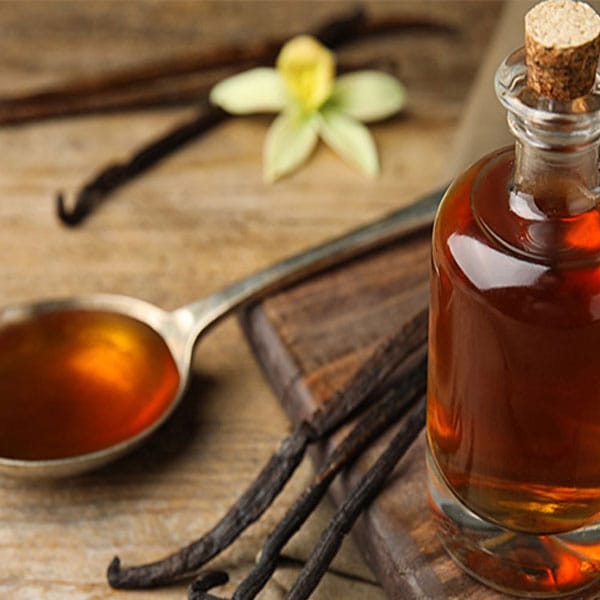
Prep the Beans: Take your Grade B vanilla beans and slice them lengthwise down the middle with a sharp paring knife, exposing the tiny seeds inside. Leave the ends intact so the bean stays in one piece, or cut them into smaller chunks if your jars are short.
Submerge in Alcohol: Place the prepared beans into your glass jar. Pour your chosen alcohol (vodka, bourbon, or rum) over the beans.
Ensure Complete Coverage: It is absolutely vital that the beans are completely submerged in the alcohol. Any exposed part of the bean can dry out or potentially spoil.
Seal and Shake: Seal the jar tightly and give it a vigorous shake.
Exact Steeping Time
Time is the third, invisible ingredient in vanilla extract. You simply cannot rush this process. While you might see a beautiful amber color developing after just a few days, the flavor has not yet fully developed.
The Minimum Time: You must let your vanilla extract steep for a bare minimum of 8 weeks in a cool, dark place (like a kitchen cupboard or pantry, away from direct sunlight and heat). During this period, give the jar a good shake once a week to agitate the beans and encourage the extraction process.
The Ideal Time: For the absolute best results and a rich, full-bodied flavor, you should wait 6 to 12 months. Like a fine wine, vanilla extract only gets better with age. As the months pass, the sharp alcohol smell will dissipate, replaced by a smooth, rounded, and deeply fragrant vanilla aroma.
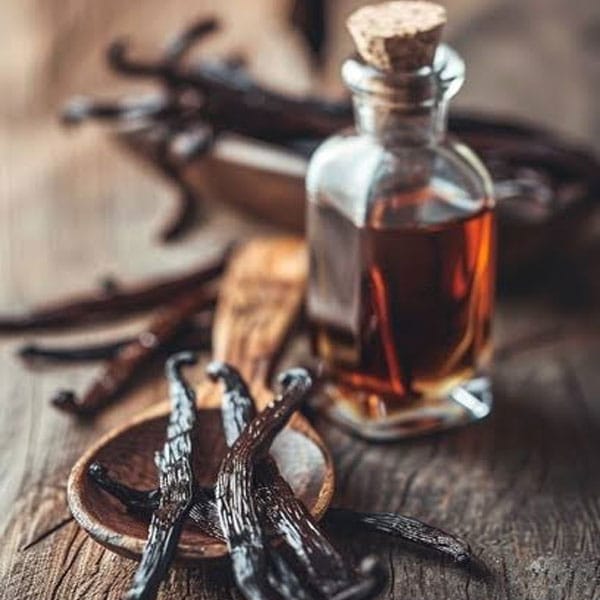
how to make vanilla extract
Mastering Your Baking with Real Vanilla
Once your homemade extract is ready, you will notice a dramatic improvement in your baking. The flavors will be deeper, and the aroma will fill your kitchen. But how do you choose when to use this liquid gold versus other vanilla products? Depending on what you are making—be it a delicate panna cotta where you want visual vanilla specks, or a robust baked cake—understanding the difference between Vanilla Beans, Extract, or Paste is crucial for any culinary enthusiast aiming for perfection.
Great vanilla extract starts with great beans, and the origin of those beans deeply impacts the final flavor. Madagascar vanilla offers that classic, creamy, traditional flavor we all know and love. Tahitian vanilla brings unique floral and fruity notes, while Mexican vanilla has a warm, subtly spicy profile. For a complete understanding of where these incredible spices come from and their global journey, explore our deep dive in the Vanilla Record].
Learning how to make vanilla extract at home is a small investment of time that pays massive dividends in your kitchen. By selecting affordable Grade B beans, using the precise 1-ounce to 8-ounce ratio, and practicing the patience to wait at least 8 weeks to 6 months, you will create a world-class baking ingredient. Start a batch today, store it in the back of your pantry, and prepare to experience the true, uncompromised magic of real vanilla in your future recipes.
Records mentioned in this article
Frequently Asked Questions
Yes, absolutely! Once you have finished a bottle of homemade vanilla extract, the beans still have flavor left. You can leave them in the bottle and top it off with more vodka (though the second extraction will take longer and yield a slightly weaker flavor), or you can take the beans out, dry them at room temperature, and blend them with granulated sugar to create highly aromatic vanilla sugar.
You must never use rubbing alcohol (isopropyl alcohol), as it is highly toxic and not safe for human consumption. You must use food-grade, consumable alcohol (ethanol) like vodka, bourbon, or rum. While the specific brand of consumable alcohol doesn’t need to be expensive, the proof matters—stick to 80-proof (40% ABV) for the safest and most effective flavor extraction.
No, you can leave the vanilla beans completely submerged in the alcohol indefinitely. As long as the beans are covered by the liquid, they will not spoil, and they will continue to slowly impart flavor and complexity as the extract ages. If the liquid level drops below the top of the beans as you use it for baking, simply top it off with a splash of fresh alcohol or remove the exposed portions of the beans.