Entering the cardamom export business is often seen as a lucrative venture, and for good reason. Known as the “Queen of Spices,” cardamom commands high prices in international markets, particularly in the Middle East, Europe, and North America. However, experienced importers know that the gap between local market spices and true export-grade products is massive.
International buyers do not pay premium rates for split pods, pale colors, or weak aromas. They pay for consistency. To succeed, sourcing experts must understand the strict criteria that dictate whether a batch is accepted or rejected at customs.
1. Defining Cardamom Export Quality: The Physical Standards
When we talk about cardamom export quality, we are evaluating a specific set of physical and chemical characteristics. Export authorities (like the Spices Board in India) and international buyers look for the following:
cardamom export quality
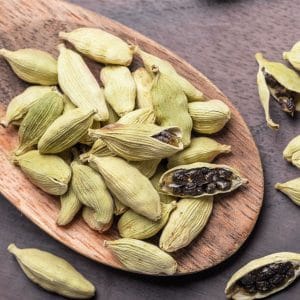
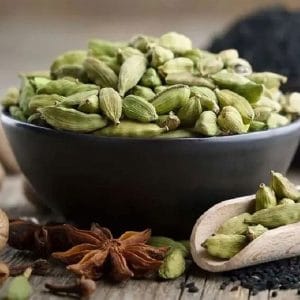
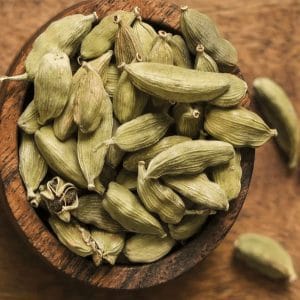
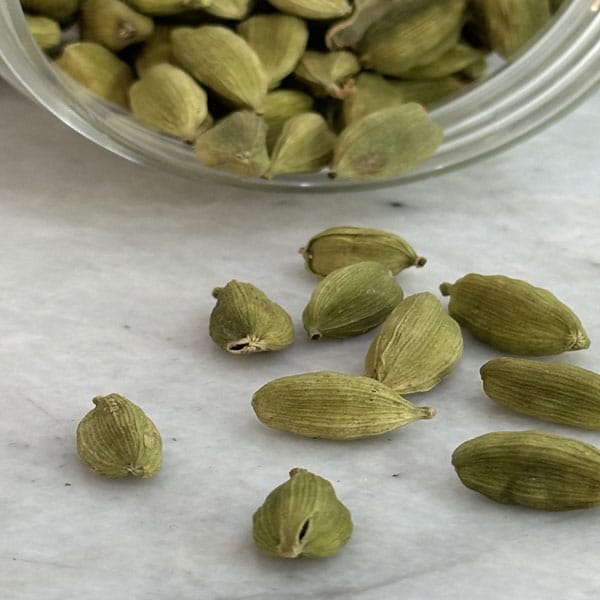
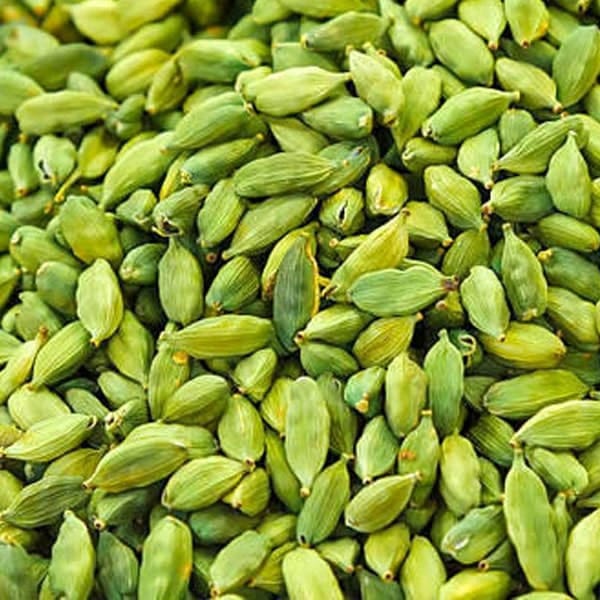
Deep Green Color: The pods must retain a vibrant, parrot-green color. Yellowing or pale pods indicate over-drying, sun exposure, or aging, which immediately downgrades the batch.
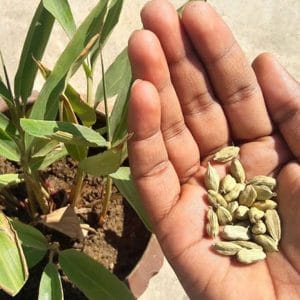
Size and Plumpness: Export grades are strictly categorized by diameter (measured in millimeters). Premium grades usually start at 7mm and go up to 8mm+ (Jumbo). If you want to dive deeper into how these sizes affect your sourcing strategy, read our complete guide on understanding cardamom grades
Moisture Content: This is the silent deal-breaker. Export-grade cardamom must have a moisture level of 10% to 12%. Anything higher risks fungal growth (aflatoxins) during long shipping routes; anything lower causes the pods to split and lose their seeds.
High Volatile Oil Content: The entire value of cardamom lies in its seeds. High-quality export batches must yield a volatile oil content of at least 4% to 6%, dominated by cineole and terpinyl acetate, which provide that signature pungent, cooling aroma.
2. Navigating the Cardamom Export Price Per Kg
One of the most challenging aspects for buyers is navigating the cardamom export price per kg. Unlike commoditized goods with highly stable pricing, cardamom is an agricultural product heavily influenced by weather phenomena (like the El Niño effect) in major producing regions such as Guatemala and the Indian state of Kerala.
Currently, the price per kilogram fluctuates based on:
Origin: Guatemalan cardamom is generally priced differently than Indian Alleppey Green Extra Bold (AGEB). To understand which origin suits your market best, explore our central hub on global cardamom origins and hubs.
Grading: An 8mm jumbo pod will command a significantly higher price than a 6mm mixed batch.
Harvest Timing: Buying right after the peak harvest season often secures better pricing and fresher stock before inventory starts sitting in warehouses.
cardamom export quality
3. Protecting Your Cardamom Export Profit Margin
A common pitfall for new buyers in the cardamom export industry is miscalculating the true landed cost. Your cardamom export profit margin isn’t just the difference between the farm-gate price and your wholesale selling price.
To protect your margins, you must account for:
Transit Weight Loss: Spices naturally lose a fraction of their moisture weight during transit.
Rejection Risks: If a shipment is flagged at the destination port for pesticide residues or mold, the financial loss can wipe out a year’s profit. Always require third-party lab testing (like SGS) before the container is sealed.
Currency Fluctuations: Standardize your contracts in stable currencies and use hedging strategies if you are buying in massive volumes.
4. Packaging Requirements for International Transit
Even if you source the highest quality pods, improper packaging will ruin them before they reach their destination. Cardamom pods are highly sensitive to light, oxygen, and moisture.
For sea freight, export-grade cardamom is typically packed in food-grade, high-density polyethylene (HDPE) bags placed inside sturdy jute bags to prevent light degradation while allowing slight breathability. For premium air-freight grades, vacuum packing or modified atmosphere packaging (MAP) is increasingly standard.
cardamom export quality
The philosophy of preserving volatile oils during transit applies across all high-value spices. Much like the rigorous export packaging standards for sensitive spices like saffron, cardamom requires absolute environmental control to maintain its premium status upon arrival.
Sourcing with Confidence
Understanding what export-grade cardamom has to meet is the foundation of a successful spice trade. By enforcing strict quality controls on size, color, moisture, and packaging, you mitigate risk and guarantee that the product arriving at your warehouse matches the premium price you paid. Always partner with verified sources, demand proper documentation, and never compromise on the physical specs of the pods.
Records mentioned in this article