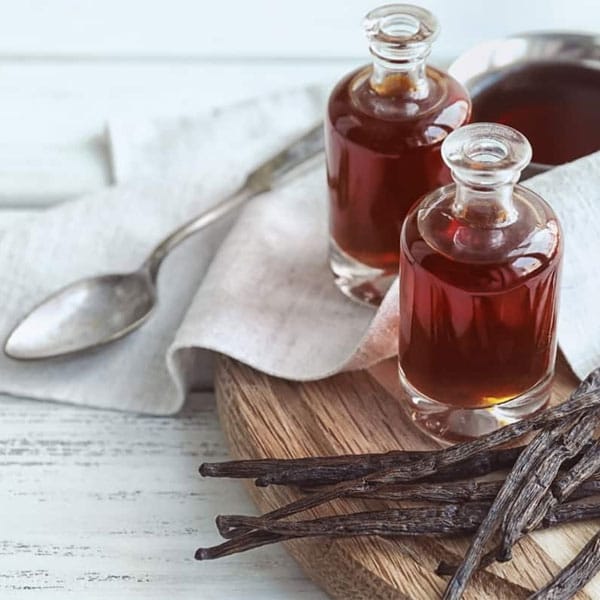
If you have ever opened a fresh bottle of high-quality vanilla extract and taken a deep breath, you likely noticed a sharp, almost boozy undertone beneath the sweet, comforting floral aroma. That scent is not your imagination playing tricks on you—it is actual alcohol.
For many home bakers, realizing that their favorite kitchen staple contains a significant amount of liquor sparks an immediate wave of questions. If you are baking a birthday cake for a toddler or whipping up a batch of holiday cookies while expecting, you might suddenly wonder: is vanilla extract safe for kids, and can I use it during pregnancy?
In this comprehensive guide, we are going to break down exactly why alcohol is used in extraction, calculate how much is really in your mixing bowl, and explore what happens when it goes into the oven.
Medical Disclaimer: The information provided in this article is for educational and informational purposes only and does not constitute medical advice. We are food researchers and sourcing experts, not doctors. Always consult your primary healthcare provider, pediatrician, or obstetrician regarding dietary safety, alcohol consumption, and what is right for your specific health needs or pregnancy.

is vanilla extract safe for kids
Why Does Vanilla Extract Contain Alcohol?
To understand the safety of the ingredient, we first need to look at how it is made. True vanilla flavor is incredibly complex, made up of hundreds of unique flavor compounds locked inside the cured beans. Water alone is not a strong enough solvent to pull those essential oils and flavor molecules out of the pod.
According to the United States Food and Drug Administration (FDA) standards, for a product to be commercially labeled as “pure vanilla extract,” it must contain a minimum of 35% alcohol by volume (ABV). This acts as the solvent that extracts the rich flavors from the vanilla beans and serves as a natural preservative, giving the extract a virtually indefinite shelf life. To put that into perspective, 35% ABV is 70 proof—about the same alcoholic strength as a standard bottle of rum or vodka.
How Much Alcohol is in a Teaspoon?
Hearing that an extract is 35% alcohol can sound alarming, but context and portion size are everything. Let’s do the math on a standard baking recipe to see how much alcohol is actually going into your food.
A standard recipe for a batch of chocolate chip cookies or a basic vanilla cake typically calls for one teaspoon of vanilla extract.
One US teaspoon holds approximately 5 milliliters (ml) of liquid.
At 35% ABV, one teaspoon of extract contains roughly 1.75 ml of pure alcohol.
Now, consider that this single teaspoon is mixed into a batter that yields 24 cookies. If you divide that 1.75 ml of pure alcohol across two dozen cookies, each raw cookie dough ball contains about 0.07 ml of alcohol.
To give you a real-world comparison, standard everyday foods contain naturally occurring trace alcohol due to fermentation. A very ripe banana, a glass of unfiltered apple juice, or even a slice of standard fermented sandwich bread can contain naturally occurring alcohol levels that are higher than what is found in a single serving of raw cookie dough flavored with vanilla extract.
is vanilla extract safe for kids
What Happens to the Alcohol During Baking?
The next critical factor is heat. It is a common kitchen myth that “all the alcohol cooks out” the moment food goes into the oven. Science shows that heat reduces the alcohol content significantly, but it does not completely eliminate it right away.
The amount of alcohol that evaporates (or “burns off”) depends entirely on the cooking method, the temperature, and the duration of the bake. According to data published by the U.S. Department of Agriculture (USDA), the retention of alcohol in baked or simmered foods follows a predictable curve:
Added to boiling liquid and removed from heat: Retains about 85% of the alcohol.
Baked or simmered for 15 minutes: Retains about 40% of the alcohol.
Baked or simmered for 30 minutes: Retains about 35% of the alcohol.
Baked or simmered for 1 hour: Retains about 25% of the alcohol.
Baked or simmered for 2.5 hours: Retains about 5% of the alcohol.
If we return to our cookie example, baking those cookies for 15 minutes reduces the already microscopic amount of alcohol (0.07 ml per cookie) down to about 0.028 ml per baked cookie. This amount is metabolically negligible.
Is Vanilla Extract Safe for Kids?
When we look at the core question—is vanilla extract safe for kids—the answer largely depends on how you are using it.
In baked goods like muffins, cakes, and cookies, the combination of dilution (spreading one teaspoon across an entire recipe) and evaporation (cooking out a majority of the alcohol) makes traditional pure vanilla extract perfectly safe for children to consume. The trace amounts left behind are equivalent to what a child might consume when eating everyday fruit or drinking fruit juices.
However, caution should be applied when using pure extracts in raw or no-bake applications. If you are making a raw smoothie, a cold milkshake, or a no-bake frosting and adding a heavy splash of extract directly into a single serving, the alcohol remains fully intact. For toddlers and young children, even small amounts of raw alcohol are not recommended. In these no-bake scenarios, it is best to use a specialized alcohol-free flavoring or heat the liquid base beforehand to allow evaporation.
is vanilla extract safe for kids
Is It Safe During Pregnancy?
Pregnancy brings strict dietary guidelines, and healthcare providers universally recommend avoiding alcoholic beverages to prevent fetal development complications. But does baking with extracts violate this rule?
Just like with children, eating baked goods flavored with standard vanilla extract is generally considered completely safe for pregnant women. The dilution across the recipe and the heat from the oven leave behind only untraceable, harmless amounts of alcohol that do not pose a risk to maternal or fetal health.
If you are pregnant and craving a cold, unbaked treat—like homemade whipped cream or a chilled dessert where the extract is not cooked—you may want to err on the side of caution. While a drop in a large bowl of whipped cream is mathematically tiny, many expectant mothers prefer complete peace of mind. In such cases, exploring alternative vanilla products is a great idea. As always, if you feel unsure about any ingredient in your pantry during your pregnancy, speak directly with your obstetrician.
Alternatives to Alcohol-Based Extracts
If you want to completely eliminate alcohol from your kitchen for health, religious, or personal reasons, you do not have to sacrifice incredible flavor. The culinary world offers fantastic alternatives that bring just as much depth to your desserts:
Alcohol-Free Vanilla Flavoring: Instead of ethanol, these products use food-grade vegetable glycerin as the extraction solvent. They offer a very similar flavor profile and are completely safe for raw applications like milkshakes and raw frostings.
is vanilla extract safe for kids
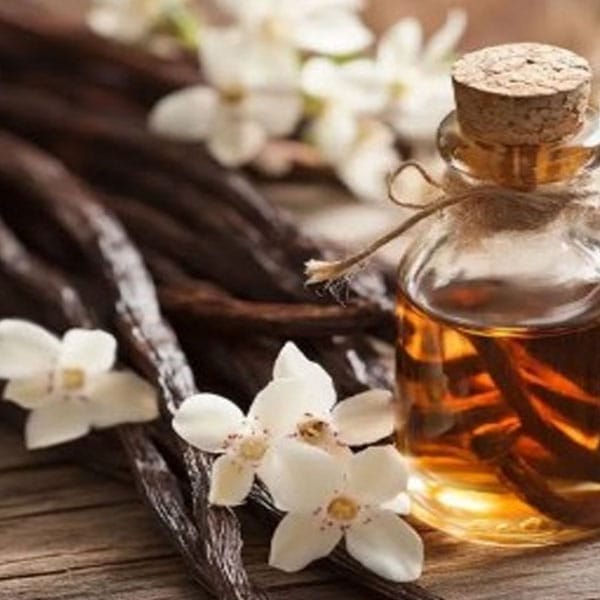
Choosing the Right Raw Material: You can bypass the liquid entirely. If you are wondering whether to use a vanilla pod, extract, or paste, using pure, scraped beans or a high-quality paste is often a superior choice for robust flavor. A natural paste or the scraped caviar of a whole bean contains zero added alcohol and provides beautiful visual specks to your culinary creations.
Baking is a science of ratios, and when you break down the actual volume of pure vanilla extract used in a standard household recipe, the alcohol content is incredibly minor. By the time your treats come out of the hot oven, the remaining traces are no more significant than what occurs naturally in your morning glass of orange juice. Whether you are baking for a children’s party or treating yourself during pregnancy, you can confidently reach for your favorite bottle of extract—just keep raw, unbaked applications in mind.
Reference:
https://www.ecfr.gov/current/title-21/chapter-I/subchapter-B/part-169/subpart-B/section-169.175
Records mentioned in this article
Frequently Asked Questions
Pure vanilla extract contains 35% alcohol, which means consuming it straight is highly dangerous and technically intoxicating. However, it is intensely concentrated and bitter, making it practically impossible to consume as a beverage. Drinking it straight can lead to severe alcohol poisoning and immediate medical emergencies, especially in minors.
While the amount of extract in a single cupcake’s worth of frosting is very small, the alcohol in raw frosting does not evaporate. If you are preparing unbaked treats specifically for toddlers or young kids, it is highly recommended to use an alcohol-free, glycerin-based vanilla flavoring instead of traditional extract.
Alcohol-free vanilla, typically made with vegetable glycerin, tastes very similar to traditional alcohol-based extract, though some professional bakers note it can have a slightly sweeter, heavier profile. It works beautifully in both raw desserts and baked goods where you wish to avoid ethanol entirely.