Unlocking the full aromatic and visual potential of premium saffron comes down to mastering your blooming technique—ice versus hot water. While hot water offers quick results for fast-paced prep, the ice-steeping method preserves delicate volatile compounds for unmatched color and fragrance. Discover the exact parameters to maximize your saffron yield and elevate your culinary projects in this comprehensive guide.
Blooming saffron is the crucial step to unlocking its vibrant color, distinct aroma, and deep flavor. While the traditional hot water method is faster, the ice-blooming technique extracts a significantly richer color profile and preserves the delicate aromatic compounds from shock. For the absolute best culinary results, grind the threads with a pinch of sugar, add ice cubes, and let it melt at room temperature.
If you have ever purchased high-quality saffron, dropped the threads directly into a dish, and wondered why the food didn’t turn that signature golden-yellow, you are not alone. Saffron is a spice that demands preparation.
Through years of working with premium agricultural products and testing various culinary methods, I’ve found that how you treat these red threads directly dictates the quality of your final dish. You are essentially trying to extract three things: Crocin (the golden color), Safranal (the aroma), and Picrocrocin (the earthy flavor).
Let’s compare the two most effective ways to bloom saffron so you can decide which method fits your timeline and recipe.
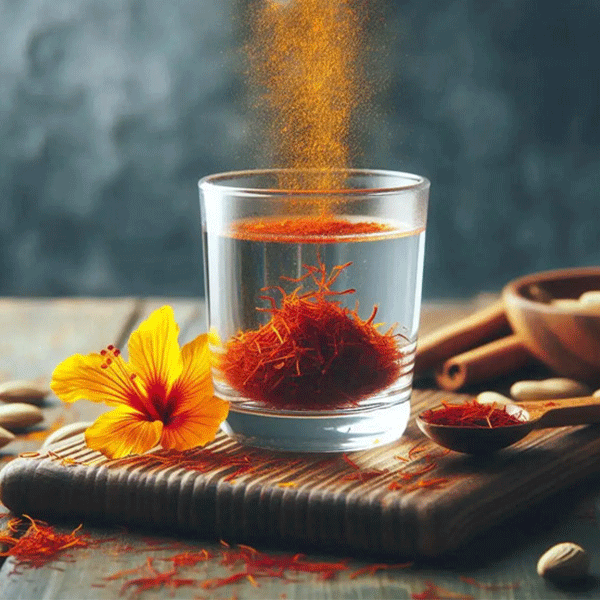
Saffron ice method
1. The Ice Method (The Professional Culinary Secret)
Subjecting delicate saffron threads to boiling water can actually shock the spice, prematurely killing some of its highly volatile aromatic oils. The ice method relies on a slow, temperature-controlled extraction.
How to do it:
Place a pinch of premium saffron threads into a small mortar.
Add a tiny pinch of coarse sugar or salt (this acts as an abrasive to help grind the threads into a fine powder). Grind gently.
Transfer the powder to a small glass or bowl.
Place 2 to 3 standard ice cubes on top of the powder.
Leave the glass at room temperature. As the ice slowly melts, it gradually coax the vibrant crimson-gold color and aroma out of the spice.
The result? A breathtakingly deep, almost neon-orange liquid with an intense, uncompromised fragrance.
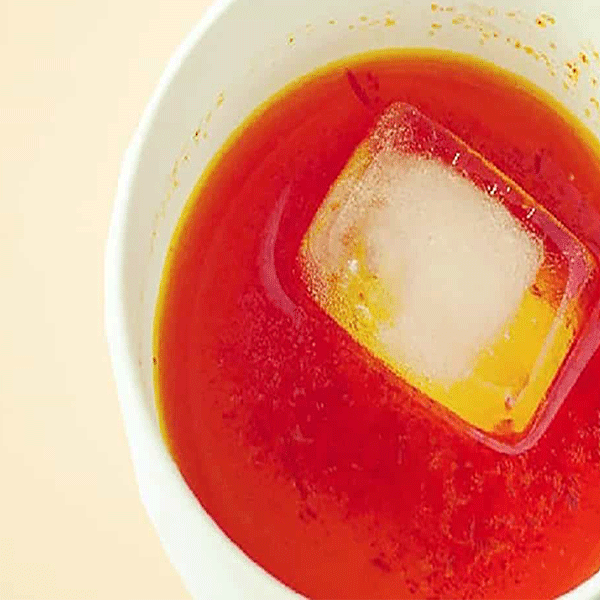
Saffron ice method
2. The Hot Water Method (The Traditional Quick Route)
If you are short on time, the hot water method is the classic approach used in many Middle Eastern and Mediterranean kitchens. The key here is temperature control—never use actively boiling water.
How to do it:
Grind the saffron threads with a pinch of sugar just as you would for the ice method.
Place the powder in a small heat-proof glass.
Pour about 2 to 3 tablespoons of hot (but not boiling) water over the powder. Ideal temperature is around 160°F to 170°F (70°C to 75°C).
Cover the glass with a small saucer to trap the steam and essential oils.
Let it steep for 15 to 20 minutes.
Ice vs. Hot Water: Which Should You Choose?
| Feature | Ice Method 🧊 | Hot Water Method ☕ |
|---|---|---|
| Time Required | 30 – 40 minutes (depends on room temp) | 15 – 20 minutes |
| Color Yield | Maximum vibrancy, deep golden-orange | Excellent, slightly lighter yellow-gold |
| Aroma Preservation | Superior (no heat shock to volatile oils) | Good, but slight loss due to evaporation |
| Best Used For | High-end culinary dishes, rice toppings, desserts | Quick weeknight cooking, teas, marinades |
Taking the extra few minutes to properly bloom your saffron elevates a standard recipe into a culinary experience. Whether you choose the slow extraction of the ice method or the steady warmth of the traditional water method, starting with authentic, ethically sourced threads is your true foundation.
Records mentioned in this article
Frequently Asked Questions
Yes, but you will only extract a fraction of the spice’s potential. Whole threads are great for visual garnishes, but grinding breaks down the cellular structure, allowing the liquid to fully absorb the crocin and safranal. If you skip grinding, you are leaving flavor and color behind.
If you bloom more saffron than you need, don’t throw it away. Transfer the liquid into a small, airtight glass jar and store it in the refrigerator. It will maintain its quality for up to two weeks. Some chefs even freeze the bloomed liquid in ice cube trays for long-term, ready-to-use portions.
High-quality saffron threads are red, but the dye they release (crocin) is golden-yellow to deep orange. If your water turns intensely red immediately without a yellow/orange gradient, it is highly likely you are dealing with adulterated or artificially dyed saffron.