The drying process is the most critical stage in saffron production, directly determining the final market grade, vibrant color retention, and signature aroma activation. While traditional methods carry risks of inconsistency, modern precision dehydration ensures optimal chemical profiles and strict adherence to global ISO standards. Understanding these techniques empowers buyers to make informed sourcing decisions, accurately read lab reports, and confidently purchase premium saffron.
Saffron at a Glance: Key Facts for Buyers & Businesses
| Category | Details |
|---|---|
| Botanical Name | Crocus sativus L. |
| Primary Origins | Iran (90%), Afghanistan, Spain, Kashmir (India), Greece |
| Active Compounds | Crocin (color), Picrocrocin (flavor), Safranal (aroma) |
| Grading Standards | ISO 3632 (Category I–III based on crocin, picrocrocin, safranal levels) |
| Common Grades | Sargol (all-red threads), Negin (premium long threads), Pushal (red + some yellow) |
| Retail Price Range (2026) | 8– 15/gram (premium), 500 – 500– 3,000/kg (bulk, B2B) |
| Key Quality Indicators | Deep red color, minimal yellow threads, strong aroma, moisture <12%, no additives |
| Shelf Life | 2–3 years (airtight, cool, dark storage) |
| Culinary Uses | Paella, risotto, Persian rice, desserts, teas |
| Health Benefits | Antioxidant, mood support, potential anti-inflammatory properties* |
| Buying Tips for Consumers | Buy threads (not powder), check ISO cert, test 2–3 threads in warm water |
| Sourcing Tips for Businesses | Request lab reports (ISO 3632), verify origin docs, sample before bulk orders |
Saffron at a Glance: Key Facts for Buyers & Businesses. Origin, grades, 2026 prices, and purity checks — the essentials for both home and bulk saffron buyers, in one table. Columns: Category, Details. Botanical Name — Crocus sativus L.. Primary Origins — Iran (90%), Afghanistan, Spain, Kashmir (India), Greece. Active Compounds — Crocin (color), Picrocrocin (flavor), Safranal (aroma). Grading Standards — ISO 3632 (Category I–III based on crocin, picrocrocin, safranal levels). Common Grades — Sargol (all-red threads), Negin (premium long threads), Pushal (red + some yellow). Retail Price Range (2026) — 8– 15/gram (premium), 500 – 500– 3,000/kg (bulk, B2B). Key Quality Indicators — Deep red color, minimal yellow threads, strong aroma, moisture <12%, no additives. Shelf Life — 2–3 years (airtight, cool, dark storage).
Imagine hand-picking 150,000 delicate crocus flowers just to gather a single kilogram of fresh saffron threads. Now, imagine ruining all that painstaking labor in a matter of hours.
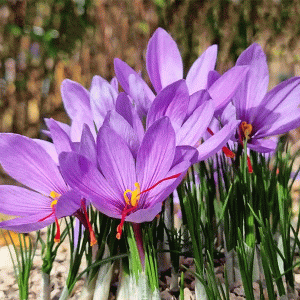
In the world of spice trading and agricultural sourcing, getting the saffron out of the field is only half the battle. When fresh saffron stigmas are plucked, they actually don’t smell like much—perhaps a bit like fresh grass. They are plump, carrying about 80% moisture, and are highly perishable.
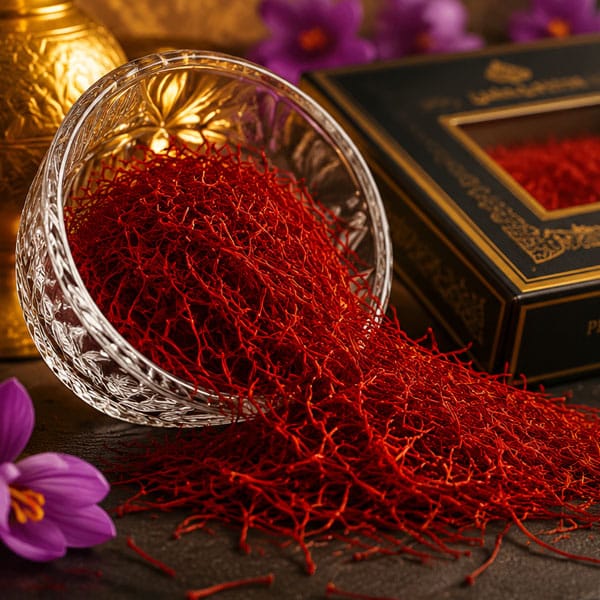
The signature honey, hay, and earthy aroma we associate with premium saffron doesn’t exist yet. It is entirely unlocked during the drying process. As sourcing experts who analyze global agricultural supply chains, we can confidently say that drying is the single most critical step in determining saffron’s final grade, chemical profile, and market price.
Here is exactly how saffron is dried, how traditional methods stack up against modern technology, and why understanding this process is crucial for anyone buying, selling, or sourcing this red gold.
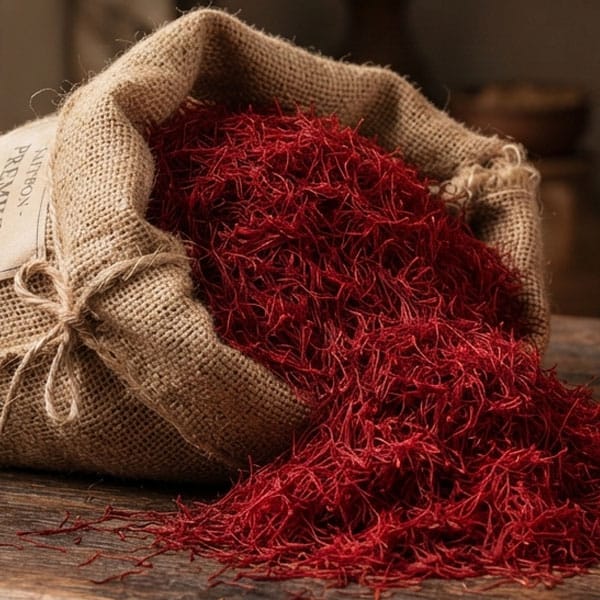
Saffron drying process
Why Do We Do It?
To understand why drying matters, you need to look at the three primary chemical compounds in saffron:
Crocin: Responsible for the deep red color.
Picrocrocin: Responsible for the slightly bitter, earthy flavor.
Safranal: Responsible for the distinct aroma.
When fresh saffron is exposed to controlled heat, a beautiful chemical reaction occurs. The heat breaks down the picrocrocin, converting a large portion of it into safranal. Without proper drying, saffron lacks its scent.
Furthermore, reducing the moisture content to an optimal 10% to 12% stops the growth of mold and bacteria, ensuring the spice can be stored for years without losing its potency. If a farmer leaves too much moisture in the threads, the saffron will rot. If they over-dry it, the precious essential oils evaporate, leaving behind brittle, flavorless dust.
Traditional vs. Modern Drying Methods
For centuries, farmers relied on the elements. Today, the demand for standardized quality (like the ISO 3632 standard) has pushed the industry toward precision.
1. Sun Drying (The Ancient Way)
Historically, farmers simply laid saffron threads on woven mats under the direct sun.
The Reality: While romantic, direct UV light degrades crocin. Sun-dried saffron often looks faded or slightly orange and loses much of its coloring power. Very few commercial growers use this method today because it yields a lower-grade product.
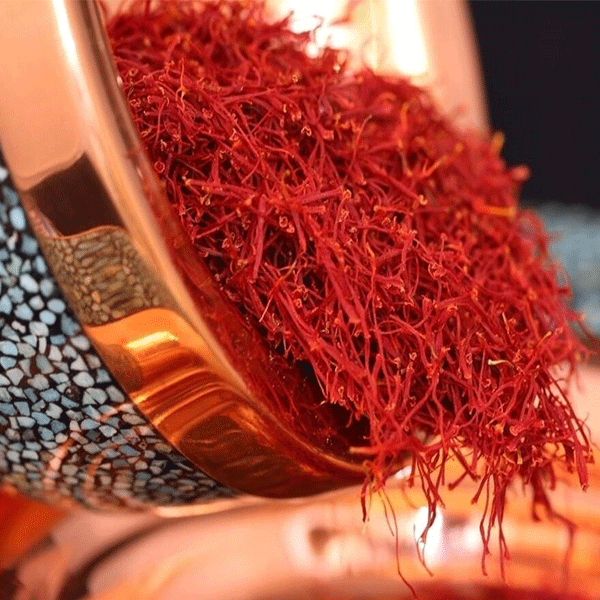
Saffron drying process
2. Shade and Room Temperature Drying
To avoid UV damage, some traditional growers spread the stigmas in well-ventilated, dark rooms.
The Reality: This method protects the color, but because it takes several days, there is a high risk of fungal growth. Additionally, the lack of immediate heat means the picrocrocin-to-safranal conversion is weak, resulting in saffron with a very mild aroma.
3. The Spanish “Toasting” Method (Tostado)
A celebrated traditional method, particularly in the La Mancha region of Spain. Fresh threads are placed on fine silk or metal screens and toasted over gentle, indirect heat from warm charcoal or wood ash.
The Reality: When done by a master, this yields incredible saffron with a slightly smoky, intensely rich aroma. However, it requires intense manual labor and vigilance. One minute too long, and the crop is burned.
4. Modern Dehydration (The Industry Standard)
Today, most premium saffron sourced from major producers like Iran (which supplies over 85% of the world’s saffron) is dried using specialized electric or gas dehydrators. The threads are placed on stainless steel mesh trays and exposed to controlled, forced hot air (usually between 45°C to 60°C / 113°F to 140°F) for a very specific duration.
The Reality: This is the best method for commercial scalability and consistent quality. It locks in the dark crimson color, perfectly activates the aroma, and guarantees a safe moisture level.
Saffron Culture and Facts: Discover how this legendary ‘red gold’ shaped ancient civilizations and continues to define culinary luxury today.
Comparing Saffron Drying Methods
| Drying Method | Time Required | Color (Crocin) Retention | Aroma (Safranal) Activation | Market Grade Impact |
|---|---|---|---|---|
| Traditional Sun Drying | 3 to 5 Days | Poor (Fades to orange) | Low | Low (Often rejected for export) |
| Shade Drying | 7 to 10 Days | Good | Moderate | Medium (High risk of mold) |
| Spanish Toasting | 30 to 45 Minutes | Excellent | Exceptional (Earthy/Smoky) | Premium / Artisanal |
| Modern Dehydration | 2 to 4 Hours | Exceptional (Deep Crimson) | Excellent (Standardized) | Premium (ISO 3632 Grade 1) |
How Drying Affects Your Sourcing and Buying
If you are buying saffron wholesale or even for personal culinary use, the drying method directly impacts your wallet. Unscrupulous suppliers sometimes intentionally under-dry saffron. Why? Because saffron is sold by the gram.
If a supplier leaves the moisture content at 16% instead of the standard 10%, you are literally paying saffron prices for water weight.
The “Snap Test”
When evaluating a batch, try to bend a single thread.
If it bends without breaking: It holds too much moisture. The supplier may be weighing it down, or it was dried poorly.
If it snaps cleanly: It has been dried perfectly.
If it instantly turns to fine dust on your fingers: It was over-dried or baked at too high a temperature, meaning the essential oils have likely evaporated.
Records mentioned in this article
Frequently Asked Questions
Yes, significantly. Fresh saffron stigmas are straight and plump. Traditional slow-drying methods cause the threads to shrivel and curl up into tight, tangled nests (often seen in “Pushal” or “Bunch” styles). Modern rapid dehydration, however, pulls the moisture out so quickly that the threads remain relatively straight and thick. This straight, thick profile is the hallmark of the highly prized “Super Negin” cut.
Freeze-drying is an emerging trend in food tech, but it is highly debated in the saffron world. Freeze-drying preserves the exact physical volume and cellular structure of the fresh thread, meaning the saffron looks massive and beautiful. However, because it skips the heat application, the chemical conversion of picrocrocin to safranal is stunted. The result? Stunningly beautiful saffron that lacks the powerful, room-filling aroma of heat-dried threads.
Look at the lab reports (Certificate of Analysis). Premium suppliers will provide ISO 3632 testing results. If the Crocin (Coloring Strength) is above 250, and the Safranal (Aroma) is above 30, it was almost certainly dried using precision modern dehydrators or masterful traditional toasting. Low numbers across the board usually indicate poor, uncontrolled drying methods.