Making fresh saffron pasta dough from scratch transforms a simple Italian staple into a visually stunning, aromatic masterpiece with a rich, golden hue. The secret to that vibrant color and delicate floral flavor lies in properly blooming premium saffron threads before combining them with high-protein flour and farm-fresh eggs. At Origin And Source, we know that understanding the origin and quality of your spices is the foundational step to elevating your culinary projects from basic to exceptional.
Saffron at a Glance: Key Facts for Buyers & Businesses
| Category | Details |
|---|---|
| Botanical Name | Crocus sativus L. |
| Primary Origins | Iran (90%), Afghanistan, Spain, Kashmir (India), Greece |
| Active Compounds | Crocin (color), Picrocrocin (flavor), Safranal (aroma) |
| Grading Standards | ISO 3632 (Category I–III based on crocin, picrocrocin, safranal levels) |
| Common Grades | Sargol (all-red threads), Negin (premium long threads), Pushal (red + some yellow) |
| Retail Price Range (2026) | 8– 15/gram (premium), 500 – 500– 3,000/kg (bulk, B2B) |
| Key Quality Indicators | Deep red color, minimal yellow threads, strong aroma, moisture <12%, no additives |
| Shelf Life | 2–3 years (airtight, cool, dark storage) |
| Culinary Uses | Paella, risotto, Persian rice, desserts, teas |
| Health Benefits | Antioxidant, mood support, potential anti-inflammatory properties* |
| Buying Tips for Consumers | Buy threads (not powder), check ISO cert, test 2–3 threads in warm water |
| Sourcing Tips for Businesses | Request lab reports (ISO 3632), verify origin docs, sample before bulk orders |
Saffron at a Glance: Key Facts for Buyers & Businesses. Origin, grades, 2026 prices, and purity checks — the essentials for both home and bulk saffron buyers, in one table. Columns: Category, Details. Botanical Name — Crocus sativus L.. Primary Origins — Iran (90%), Afghanistan, Spain, Kashmir (India), Greece. Active Compounds — Crocin (color), Picrocrocin (flavor), Safranal (aroma). Grading Standards — ISO 3632 (Category I–III based on crocin, picrocrocin, safranal levels). Common Grades — Sargol (all-red threads), Negin (premium long threads), Pushal (red + some yellow). Retail Price Range (2026) — 8– 15/gram (premium), 500 – 500– 3,000/kg (bulk, B2B). Key Quality Indicators — Deep red color, minimal yellow threads, strong aroma, moisture <12%, no additives. Shelf Life — 2–3 years (airtight, cool, dark storage).
When you are standing in the kitchen deciding what type of pasta to make, you might wonder if adding saffron is worth the extra step. Unlike spinach or beetroot, which primarily add color and a mild vegetable undertone, saffron completely alters the sensory experience of the dough. It introduces a complex, slightly earthy, and honey-like aroma that pairs beautifully with seafood, light cream sauces, and browned butter. If you are hosting a dinner party or want to create a restaurant-tier dish at home, saffron pasta offers the highest return on investment for your time.
The Ingredients: Sourcing Matters
To get the right texture and taste, you need to be precise with your ingredients. Here is what you need for a standard four-person batch:
Saffron Threads: A generous pinch (about 0.2 to 0.3 grams). Always use whole threads rather than pre-ground powder to ensure purity and robust flavor.
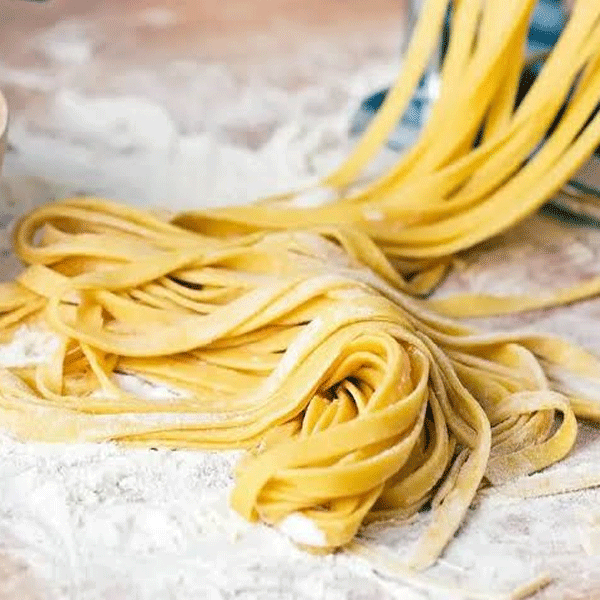
Fresh saffron pasta
The Liquid: 2 tablespoons of warm water (for blooming the saffron).
Eggs: 3 large, room-temperature eggs. The fat in the yolks helps carry the saffron’s flavor compounds.
Flour: 2 cups (about 300g) of Tipo “00” flour. If you prefer a pasta with more “bite” and texture to grip sauces, you can do a 50/50 split of “00” flour and fine semolina.
Salt: ½ teaspoon of fine sea salt.
The Expert Technique: Blooming the Saffron
The most common mistake beginners make is tossing dry saffron threads directly into the flour. Saffron needs warmth and hydration to release its crocin (the compound responsible for the yellow color) and safranal (the aroma).
Grind your saffron threads lightly in a mortar and pestle. Transfer the crushed threads to a small bowl and add 2 tablespoons of warm—not boiling—water. Let it steep for at least 15 to 20 minutes. The water will turn a deep, fiery amber. Once cooled, whisk this liquid directly into your eggs.
Step-by-Step: Making the Dough
Step 1: The Flour Well
Mound your flour onto a clean, flat work surface (wood or marble is ideal). Use the bottom of a measuring cup to create a wide, deep well in the center. Sprinkle the salt over the flour.
Step 2: Mixing the Wet Ingredients
Pour your saffron-infused egg mixture into the center of the well. Using a fork, gently beat the eggs, slowly incorporating the flour from the inner walls of the well. Be careful not to break the outer wall of the flour, or the egg mixture will spill everywhere.
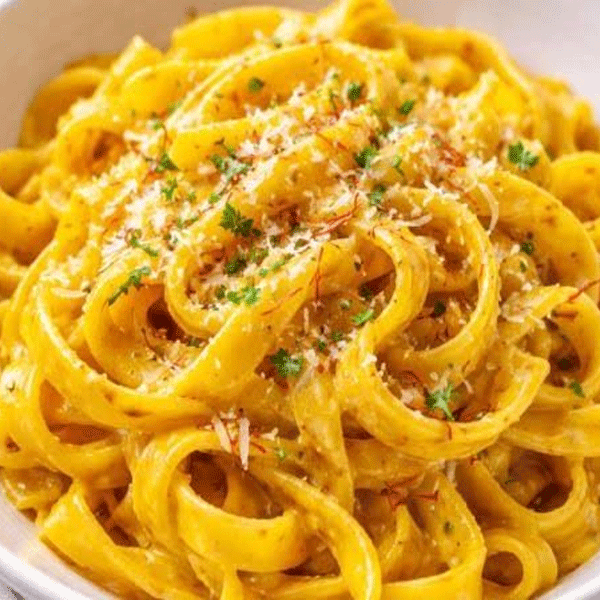
Fresh saffron pasta
Step 3: The Knead (The Tactile Test)
Once the mixture becomes a shaggy, thick paste, ditch the fork and use a bench scraper to fold the remaining flour inward. Begin kneading with your hands. You are looking for a specific feeling here: the dough should feel firm but springy. If it feels too dry and crumbly, wet your hands and keep kneading. If it’s sticky, dust the board with a little more flour. Knead vigorously for about 8 to 10 minutes until the surface is completely smooth, elastic, and uniformly golden.
Step 4: The Crucial Rest
Wrap the dough tightly in plastic wrap to prevent a dry skin from forming. Let it rest at room temperature for at least 30 minutes. This allows the gluten strands to relax and the flour to fully hydrate, making it infinitely easier to roll out through your pasta machine later.
Saffron Culinary Arts: Explore time-honored techniques, classic pairings, and modern gourmet recipes designed to showcase the vibrant color and legendary aroma of pure saffron.
Choosing Your Specialty Pasta
| Pasta Type | Flavor Profile | Color Yield | Best Sauce Pairings |
|---|---|---|---|
| Saffron Dough | Earthy, floral, delicate | Vibrant Golden Yellow | Garlic butter, clams, shrimp, light cream |
| Spinach Dough | Mild, slightly vegetal | Deep Green | Rich ragù, heavy tomato sauces, ricotta |
| Squid Ink Dough | Briny, subtle sea flavor | Striking Black | Calamari, scallops, white wine sauces |
| Classic Egg Dough | Rich, neutral | Pale Yellow | Highly versatile (works with everything) |
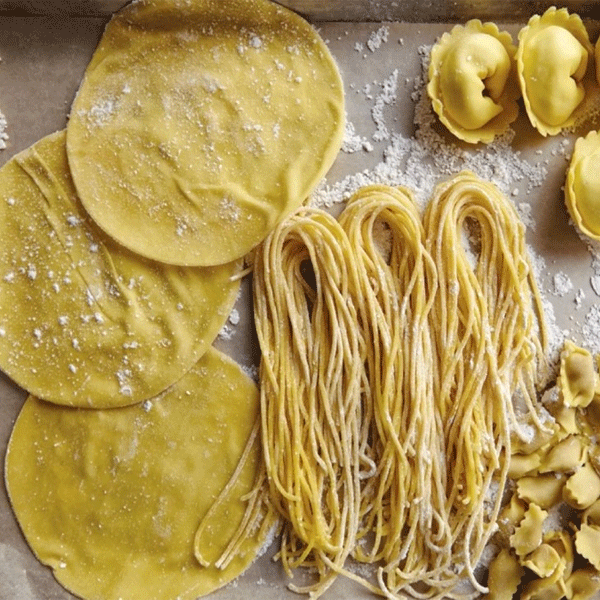
Creating fresh saffron pasta from scratch is less about complex culinary skills and more about respecting the ingredients. By taking the few extra minutes to properly steep the threads and kneading the dough by hand until it reaches that perfect silky texture, you are building flavor profiles that store-bought pasta simply cannot replicate.
Whether you decide to roll this golden dough into wide pappardelle ribbons or delicate angel hair, the visual appeal and aromatic depth will speak for themselves. Equip your kitchen with high-quality flour, farm eggs, and authentically sourced saffron, and you will have mastered one of the most elegant foundational recipes in regional Italian cooking.
Records mentioned in this article
-
 🇱🇰 India
Verified
CardamomNative to one corner of southern India, priced every morning by public auction, and now grown mostly somewhere else.
Open the record
-
 🇮🇷 Iran
Verified
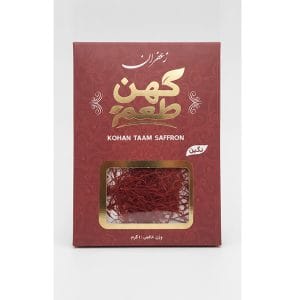
SaffronThe dried stigmas of a sterile autumn crocus, hand-picked at roughly 440,000 threads to the kilogram.
Open the record
-
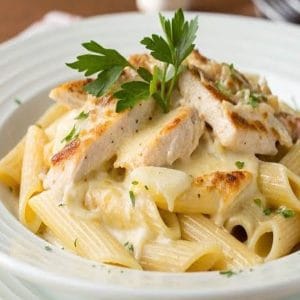 🇮🇹 Italy
Verified
Pasta
Italian farmers and cooks
Open the record
Frequently Asked Questions
The color depends entirely on how well you extracted the crocin from the saffron. If you skip the blooming process or use cold water, the color won’t distribute evenly, resulting in pale dough with yellow specks. Always steep crushed threads in warm water before adding them to the eggs.
While you technically can, we strongly advise against it for quality sourcing reasons. Pre-ground saffron powder is heavily adulterated with turmeric or paprika in the commercial market. Using whole threads ensures you are getting genuine saffron flavor and color, not a dyed substitute.
Because the saffron flavor is nuanced and elegant, avoid overpowering it with heavy, acidic tomato sauces or intensely spicy meats. It shines brightest when tossed in a simple white wine and butter reduction, served with roasted cherry tomatoes, or paired with fresh seafood like lobster, crab, or scallops.