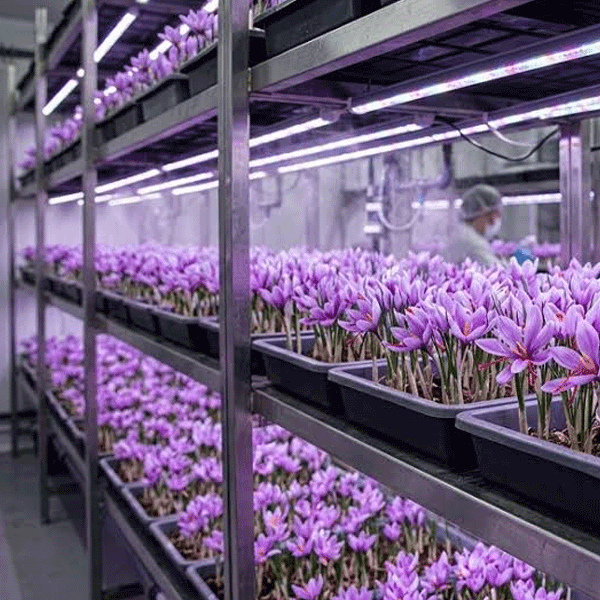
Indoor saffron farming offers a climate-independent, highly controlled environment to cultivate the world’s most expensive spice, significantly reducing weather-related risks. While the initial setup costs for climate chambers and tiered systems are high, the ability to produce premium-grade threads and multiply valuable corms can yield substantial returns. At OriginAndSource, we analyze these emerging agricultural shifts to provide you with the practical, market-tested insights needed to navigate and succeed in high-value botanical investments.
Saffron at a Glance: Key Facts for Buyers & Businesses
| Category | Details |
|---|---|
| Botanical Name | Crocus sativus L. |
| Primary Origins | Iran (90%), Afghanistan, Spain, Kashmir (India), Greece |
| Active Compounds | Crocin (color), Picrocrocin (flavor), Safranal (aroma) |
| Grading Standards | ISO 3632 (Category I–III based on crocin, picrocrocin, safranal levels) |
| Common Grades | Sargol (all-red threads), Negin (premium long threads), Pushal (red + some yellow) |
| Retail Price Range (2026) | 8– 15/gram (premium), 500 – 500– 3,000/kg (bulk, B2B) |
| Key Quality Indicators | Deep red color, minimal yellow threads, strong aroma, moisture <12%, no additives |
| Shelf Life | 2–3 years (airtight, cool, dark storage) |
| Culinary Uses | Paella, risotto, Persian rice, desserts, teas |
| Health Benefits | Antioxidant, mood support, potential anti-inflammatory properties* |
| Buying Tips for Consumers | Buy threads (not powder), check ISO cert, test 2–3 threads in warm water |
| Sourcing Tips for Businesses | Request lab reports (ISO 3632), verify origin docs, sample before bulk orders |
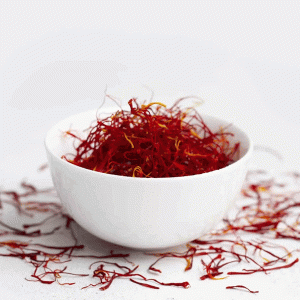
Saffron at a Glance: Key Facts for Buyers & Businesses. Origin, grades, 2026 prices, and purity checks — the essentials for both home and bulk saffron buyers, in one table. Columns: Category, Details. Botanical Name — Crocus sativus L.. Primary Origins — Iran (90%), Afghanistan, Spain, Kashmir (India), Greece. Active Compounds — Crocin (color), Picrocrocin (flavor), Safranal (aroma). Grading Standards — ISO 3632 (Category I–III based on crocin, picrocrocin, safranal levels). Common Grades — Sargol (all-red threads), Negin (premium long threads), Pushal (red + some yellow). Retail Price Range (2026) — 8– 15/gram (premium), 500 – 500– 3,000/kg (bulk, B2B). Key Quality Indicators — Deep red color, minimal yellow threads, strong aroma, moisture <12%, no additives. Shelf Life — 2–3 years (airtight, cool, dark storage).
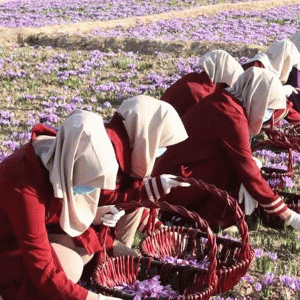
Saffron, famously known as “red gold,” has been cultivated for millennia in arid, sun-drenched fields. However, with unpredictable climate shifts, prolonged droughts, and degrading soil qualities, modern agriculturists are looking indoors. Growing saffron in controlled environments—often referred to under the umbrella of hydroponic or aeroponic farming—is rapidly gaining traction.
But replacing the sun with LED lights and the earth with climate-controlled racks raises a critical question for entrepreneurs and farmers alike: Is indoor saffron farming actually profitable, or is it just a high-tech agricultural trend?
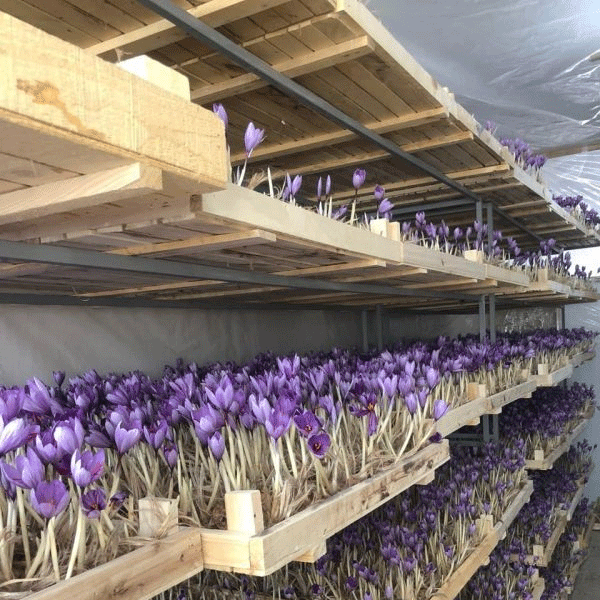
Indoor saffron farming
To answer this, we need to strip away the hype and look at the real-world economics, the botanical realities of the Crocus sativus plant, and the operational demands of indoor cultivation.
Saffron Business and Trade Guide: Discover expert strategies for sourcing authentic red gold, verifying quality, and maximizing profitability in the global spice market.
The Reality of “Hydroponic” Saffron
| Feature | Traditional Field Farming | Indoor / Controlled Farming |
|---|---|---|
| Space Efficiency | Requires hectares of arable land. | High yield per square meter (tiered vertical racks). |
| Climate Dependency | High. Vulnerable to frost, rain, and drought. | Zero. Complete control over temperature and humidity. |
| Initial Investment | Low to Moderate (Land lease/purchase, basic labor). | High (HVAC, shelving, LED lights, sensors). |
| Saffron Quality | Variable. Subject to soil debris, wind, and pests. | Premium/Grade A. Clean, untouched by soil or pests. |
| Labor Intensity | Back-breaking field harvesting over several weeks. | Ergonomic, controlled harvesting; higher tech maintenance. |
How to Succeed Indoors
If you are planning to transition to or start an indoor saffron business, success relies on executing a multi-step strategy perfectly. One mistake in the environmental chain can ruin a harvest.
Step 1: Sourcing the Right Corms
Do not compromise here. Indoor environments cannot magically make small corms flower. You must source bulbs weighing a minimum of 15 grams. Inspect them rigorously for mites and fungal diseases before introducing them to your clean room.
Step 2: Mastering the Thermal Shock
Saffron blooming is triggered by temperature drops. You must simulate the transition from late summer to autumn. Typically, corms are kept at warm temperatures (around 25°C) during their dormant summer phase, then dropped to around 15°C to 17°C with high humidity (80%+) to trigger sprouting and flowering.
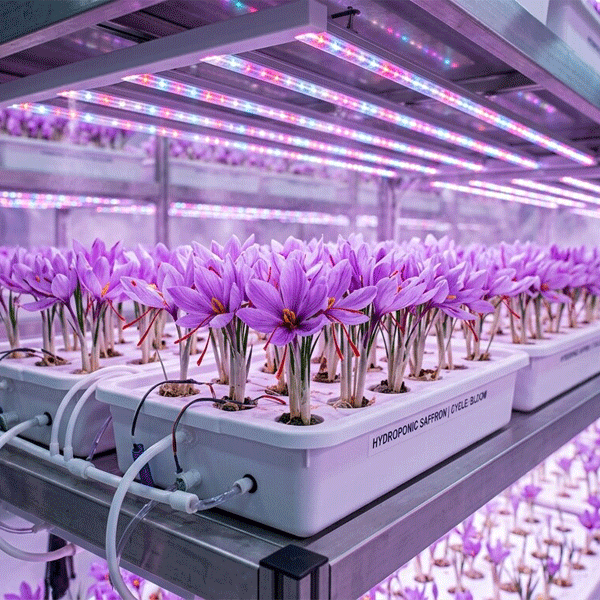
Indoor saffron farming
Step 3: Post-Harvest Lifecycle Management
This is where many beginners fail. Once the flowers are picked, the corms are severely depleted. You cannot leave them on the racks. They must be moved into a nutrient-rich substrate (like a mix of coco coir, perlite, and compost) under specific lighting to allow the green grass-like leaves to photosynthesize and grow the new daughter corms for next year.
Indoor saffron farming is not a get-rich-quick scheme, but rather a sophisticated, high-precision agricultural enterprise. By removing the unpredictable variables of traditional farming, it offers a pathway to consistently produce superior, pristine saffron threads that command top-tier market prices. The key to turning a profit lies in managing your initial energy and equipment costs while strictly adhering to the biological needs of the corms during both the flowering and multiplication phases.
For the dedicated grower willing to invest in the right technology and learn the agronomic science behind Crocus sativus, the transition indoors is highly rewarding. As climate challenges continue to disrupt traditional supply chains, indoor saffron cultivation stands out as a resilient, scalable, and ultimately profitable future for the global spice market.
Records mentioned in this article
Frequently Asked Questions
No. Saffron corms will rot if left sitting in water. Indoor saffron is typically grown aeroponically (dry on racks) during the flowering stage, and then moved to a well-draining substrate for the vegetative/multiplication stage.
While you can experiment in a small spare room, commercial viability usually requires at least 100 to 200 square meters of floor space equipped with multi-tiered vertical shelving to maximize the yield per square foot.
Fungal infections and corm rot. Because indoor setups require high humidity to trigger flowering, any lack of proper airflow or introduction of diseased corms can quickly spread mold, destroying an entire harvest in days.