While no single element can entirely stop Macular Degeneration (AMD), clinical studies strongly suggest that saffron can significantly slow its progression and improve visual acuity in early stages. Thanks to its potent antioxidants—crocin and safranal—this ancient spice acts as a neuroprotective shield for retinal cells. Here at OriginAndSource, we’ve broken down the clinical data, optimal dosages, and sourcing strategies to help you choose the right authentic saffron for your long-term eye health.
Saffron at a Glance: Key Facts for Buyers & Businesses
| Category | Details |
|---|---|
| Botanical Name | Crocus sativus L. |
| Primary Origins | Iran (90%), Afghanistan, Spain, Kashmir (India), Greece |
| Active Compounds | Crocin (color), Picrocrocin (flavor), Safranal (aroma) |
| Grading Standards | ISO 3632 (Category I–III based on crocin, picrocrocin, safranal levels) |
| Common Grades | Sargol (all-red threads), Negin (premium long threads), Pushal (red + some yellow) |
| Retail Price Range (2026) | 8– 15/gram (premium), 500 – 500– 3,000/kg (bulk, B2B) |
| Key Quality Indicators | Deep red color, minimal yellow threads, strong aroma, moisture <12%, no additives |
| Shelf Life | 2–3 years (airtight, cool, dark storage) |
| Culinary Uses | Paella, risotto, Persian rice, desserts, teas |
| Health Benefits | Antioxidant, mood support, potential anti-inflammatory properties* |
| Buying Tips for Consumers | Buy threads (not powder), check ISO cert, test 2–3 threads in warm water |
| Sourcing Tips for Businesses | Request lab reports (ISO 3632), verify origin docs, sample before bulk orders |
Saffron at a Glance: Key Facts for Buyers & Businesses. Origin, grades, 2026 prices, and purity checks — the essentials for both home and bulk saffron buyers, in one table. Columns: Category, Details. Botanical Name — Crocus sativus L.. Primary Origins — Iran (90%), Afghanistan, Spain, Kashmir (India), Greece. Active Compounds — Crocin (color), Picrocrocin (flavor), Safranal (aroma). Grading Standards — ISO 3632 (Category I–III based on crocin, picrocrocin, safranal levels). Common Grades — Sargol (all-red threads), Negin (premium long threads), Pushal (red + some yellow). Retail Price Range (2026) — 8– 15/gram (premium), 500 – 500– 3,000/kg (bulk, B2B). Key Quality Indicators — Deep red color, minimal yellow threads, strong aroma, moisture <12%, no additives. Shelf Life — 2–3 years (airtight, cool, dark storage).
When you or a loved one receives a diagnosis of Age-related Macular Degeneration (AMD), the immediate question is usually: What can I do to stop this? For years, the conversation started and ended with the standard AREDS2 vitamin protocol. However, a growing body of clinical research has brought an unexpected contender to the forefront of eye health: saffron.
Beyond its reputation as the world’s most expensive culinary spice, saffron is a highly complex botanical containing over 150 volatile compounds. But can a few red threads actually halt a degenerative eye disease? Let’s strip away the hype and look at what the science, clinical trials, and real-world application tell us about saffron’s role in preserving vision.
How Saffron Interacts with the Retina
To understand how saffron works, you have to understand what happens during AMD. Macular degeneration involves the breakdown of the macula, the central area of the retina responsible for sharp, straight-ahead vision. This breakdown is largely driven by oxidative stress, aging, and reduced blood flow.
saffron for macular degeneration
Saffron targets these exact mechanisms through two primary active compounds:
Crocin: This water-soluble carotenoid gives saffron its vibrant red color. In the eye, crocin acts as a targeted antioxidant, neutralizing the free radicals that damage retinal cells.
Safranal: Responsible for saffron’s distinct aroma, safranal has been shown in studies to prevent the death of photoreceptor cells (the cells in your eyes that respond to light) and preserve the network of blood vessels that feed the retina.
The Clinical Verdict: Can it stop AMD completely? No. Advanced macular degeneration cannot currently be cured by saffron (or anything else). However, randomized clinical trials have shown that daily saffron supplementation can essentially “put the brakes” on the disease. Patients with early-stage AMD who took saffron daily demonstrated a measurable improvement in their focal electroretinogram (fERG) results—meaning their retinal cells were actually firing better and their visual acuity (the ability to read lines on an eye chart) improved.
Saffron Health Benefits: Backed by clinical trials, saffron is moving from the spice cabinet to the pharmacy as a natural treatment for cognitive and visual decline.
Saffron vs. Traditional Eye Supplements (AREDS2)
| Feature | Saffron (Crocin/Safranal) | AREDS2 (Lutein/Zeaxanthin) | Best Strategy |
|---|---|---|---|
| Primary Mechanism | Neuroprotection, increasing blood flow, and cell preservation. | Building macular pigment density to block harmful UV/blue light. | Complementary. They protect the eye via different biological pathways. |
| Symptom Relief | Short-term noticeable improvement in low-light vision and visual acuity. | Long-term structural defense; rarely provides immediate vision improvement. | Saffron is better for those seeking functional improvements in early AMD. |
| Daily Dosage | 20mg per day (highly targeted). | Bulky multi-vitamin complex (multiple pills). | Consult an ophthalmologist to safely stack both without exceeding zinc limits. |
How to Use and Source Saffron
Deciding to use saffron for your eyes is the easy part; deciding how to take it requires a bit more navigation. You generally have two choices: taking a standardized extract capsule or consuming raw saffron threads via tea or food.
1. Saffron Supplements (Standardized Extracts)
For medicinal purposes like treating AMD, clinical trials almost exclusively use a strict 20mg daily dosage of saffron extract. Buying a high-quality supplement ensures you are getting an exact, standardized amount of crocin every single day. If you go this route, look for products that specifically list the crocin percentage (usually around 3% to 5%) and are third-party tested.
saffron for macular degeneration
2. Raw Saffron Threads
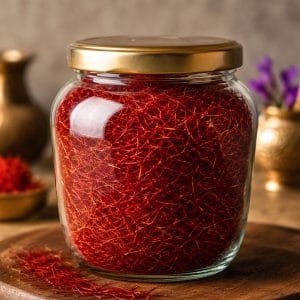
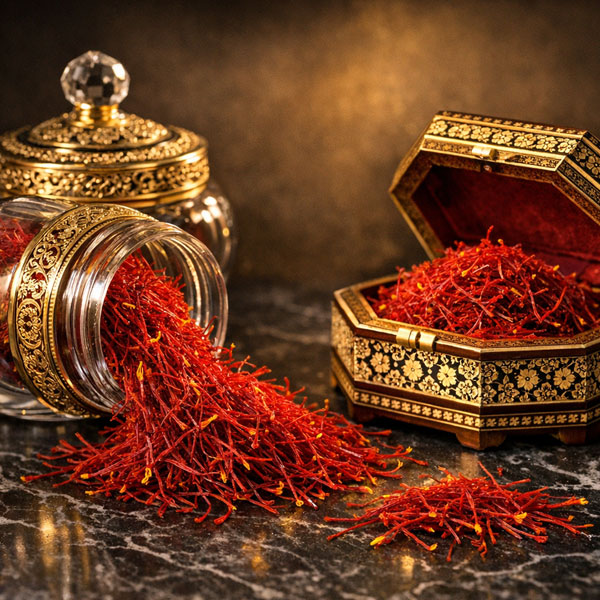
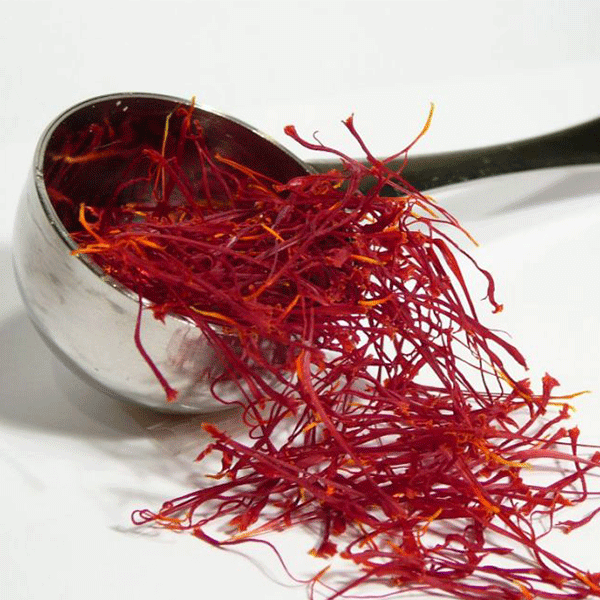
If you prefer a whole-food approach, brewing saffron tea is a fantastic daily habit. A pinch of high-quality saffron (about 10 to 15 threads) steeped in warm water for 15 minutes will release the active compounds. However, the market is flooded with counterfeit saffron (often dyed corn silk or safflower). When sourcing raw saffron, look for the “Sargol” or “Negin” grades, which consist only of the red, potent tips of the stigma. Ensure the product has an ISO 3632 certification, which is the global standard grading for saffron purity and crocin strength.
Early research suggests saffron may help support retinal health and slow the progression of early-stage macular degeneration, but it is not a cure. Think of it as a promising complement to proper eye care, and always consult your eye doctor before adding it to your routine.
Reference:
https://pubmed.ncbi.nlm.nih.gov/30343354/
Records mentioned in this article
Frequently Asked Questions
According to clinical trials, patients with early-stage AMD typically begin to see measurable improvements in visual acuity and sensitivity to light after 3 to 6 months of consistent daily supplementation (20mg/day). Stopping the dosage usually results in the benefits fading over a few weeks, meaning consistency is key.
In most cases, yes. Saffron and AREDS2 target different aspects of eye health. While AREDS2 builds the physical pigment in the eye to block light damage, saffron actively protects the nerve cells and improves blood flow. Because saffron is a singular botanical extract, it generally does not overlap with the heavy metals (like Zinc) found in AREDS2, making them a powerful combination. Always clear this with your ophthalmologist first.
If your primary goal is specifically treating AMD, a 20mg extract capsule is the better choice because it guarantees the exact clinical dosage of crocin and safranal required to impact the retina. Saffron tea is excellent for overall health, mood, and preventative care, but measuring the exact medicinal dosage from raw threads on a daily basis is highly unpredictable due to natural variations in the plant.