Discover the restorative power of traditional Indian Kesar Doodh, a golden, mood-boosting beverage celebrated for its natural sleep-enhancing and wellness benefits. Master the essential “blooming” technique and learn expert sourcing tips to identify authentic, premium saffron while avoiding common market counterfeits.
Saffron at a Glance: Key Facts for Buyers & Businesses
| Category | Details |
|---|---|
| Botanical Name | Crocus sativus L. |
| Primary Origins | Iran (90%), Afghanistan, Spain, Kashmir (India), Greece |
| Active Compounds | Crocin (color), Picrocrocin (flavor), Safranal (aroma) |
| Grading Standards | ISO 3632 (Category I–III based on crocin, picrocrocin, safranal levels) |
| Common Grades | Sargol (all-red threads), Negin (premium long threads), Pushal (red + some yellow) |
| Retail Price Range (2026) | 8– 15/gram (premium), 500 – 500– 3,000/kg (bulk, B2B) |
| Key Quality Indicators | Deep red color, minimal yellow threads, strong aroma, moisture <12%, no additives |
| Shelf Life | 2–3 years (airtight, cool, dark storage) |
| Culinary Uses | Paella, risotto, Persian rice, desserts, teas |
| Health Benefits | Antioxidant, mood support, potential anti-inflammatory properties* |
| Buying Tips for Consumers | Buy threads (not powder), check ISO cert, test 2–3 threads in warm water |
| Sourcing Tips for Businesses | Request lab reports (ISO 3632), verify origin docs, sample before bulk orders |
Saffron at a Glance: Key Facts for Buyers & Businesses. Origin, grades, 2026 prices, and purity checks — the essentials for both home and bulk saffron buyers, in one table. Columns: Category, Details. Botanical Name — Crocus sativus L.. Primary Origins — Iran (90%), Afghanistan, Spain, Kashmir (India), Greece. Active Compounds — Crocin (color), Picrocrocin (flavor), Safranal (aroma). Grading Standards — ISO 3632 (Category I–III based on crocin, picrocrocin, safranal levels). Common Grades — Sargol (all-red threads), Negin (premium long threads), Pushal (red + some yellow). Retail Price Range (2026) — 8– 15/gram (premium), 500 – 500– 3,000/kg (bulk, B2B). Key Quality Indicators — Deep red color, minimal yellow threads, strong aroma, moisture <12%, no additives. Shelf Life — 2–3 years (airtight, cool, dark storage).
There’s something deeply comforting about a warm cup of Kesar Doodh on a chilly evening. If you grew up in a South Asian household, you probably remember this golden, aromatic milk as the ultimate remedy for a restless night or the traditional celebratory drink served at weddings and festivals.
But beyond the nostalgia, traditional Indian Saffron Milk is a nutritional powerhouse. Whether you are looking for a natural sleep aid, a caffeine-free evening ritual, or just want to experience the rich flavors of authentic Indian cuisine, making Kesar Doodh at home is surprisingly simple—if you know how to source and handle the ingredients correctly.
As a sourcing expert, I always tell people: the magic of this drink lies entirely in the quality of your saffron. Let’s dive into how to make the perfect cup, starting from the source.
The Secret to Perfect Kesar Doodh: Sourcing Your Saffron
Saffron (Kesar) is the world’s most expensive spice, making it highly susceptible to counterfeiting. For a truly authentic Kesar Doodh, you need real, high-quality saffron threads.
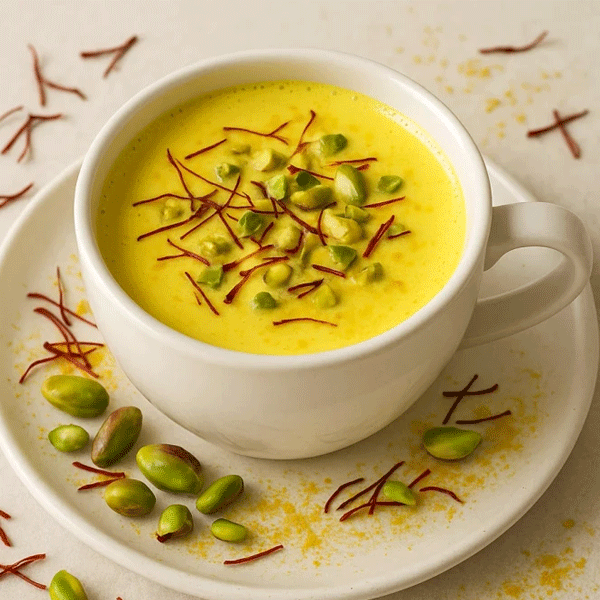
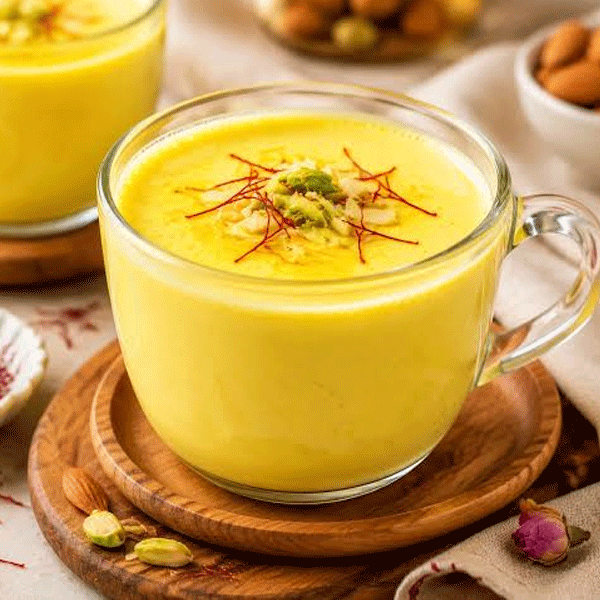
Kesar Doodh
How to spot the real deal:
Look for the deep red color: High-quality saffron threads (like Kashmiri or Premium Afghan/Iranian Sargol) are dark red, not yellow. They only turn the milk yellow once steeped.
The cold water test: If you drop a thread into cold water and it instantly turns the water bright red, it’s dyed. Real saffron takes several minutes to slowly release a golden-yellow hue.
The aroma: Genuine saffron smells like a mix of sweet honey and earthy hay. If it smells like harsh chemicals or has no scent, skip it.
Authentic Traditional Kesar Doodh Recipe
This recipe makes a rich, soothing drink that balances the floral notes of saffron with the warmth of cardamom and the crunch of nuts.
Prep time: 10 minutes (for soaking) | Cook time: 10 minutes | Servings: 2
Ingredients You’ll Need
Whole Milk: 2 cups (Full-fat cow’s milk is traditional, as the fats help extract the fat-soluble compounds in saffron).
High-Quality Saffron Threads: 10-12 strands.
Green Cardamom Pods: 2 (crushed), or ¼ teaspoon of pure cardamom powder.
Sweetener: 1 to 2 tablespoons of raw sugar, jaggery, or honey (adjust to taste).
Nuts: 1 tablespoon of slivered almonds and unsalted pistachios.
Optional: A pinch of freshly grated nutmeg for extra sleep support.
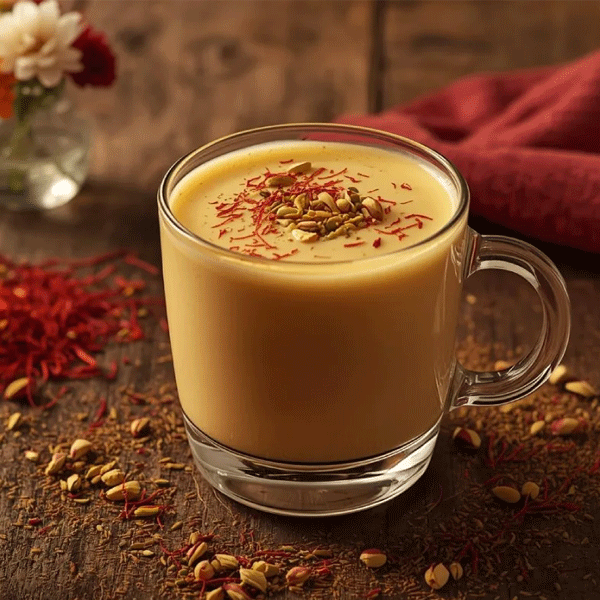
Kesar Doodh
Step-by-Step Instructions
Step 1: The “Blooming” Process (Crucial Step)
Never throw dry saffron directly into a large pot of boiling milk. Instead, gently warm two tablespoons of milk. Place your saffron threads into a small bowl and pour the warm milk over them. Let this sit for 10 to 15 minutes. This process, known as “blooming,” forces the threads to release their essential oils, vibrant color, and flavor.
Step 2: Simmer the Milk
Pour the remaining milk into a heavy-bottomed saucepan. Place it over medium-low heat. Stir frequently to prevent the milk from scorching or forming a skin at the bottom.
Step 3: Combine and Infuse
Once the milk comes to a gentle simmer, pour in your bloomed saffron mixture. Add the crushed cardamom and the slivered nuts.
Saffron Culinary Arts: Master the delicate balance of “Red Gold” through time-honored infusion techniques and modern gourmet applications.
Kesar Doodh vs. Haldi Doodh (Turmeric Milk)
| Feature | Kesar Doodh (Saffron Milk) | Haldi Doodh (Turmeric Milk) |
|---|---|---|
| Primary Benefit | Mood enhancement, stress relief, and deep sleep. | Anti-inflammatory, immunity boost, and cold relief. |
| Key Active Compound | Crocin and Safranal (antioxidants). | Curcumin (requires black pepper to activate). |
| Best Time to Drink | 30 minutes before bed. | Anytime, especially when feeling under the weather. |
| Flavor Profile | Floral, sweet, subtly earthy. | Earthy, slightly bitter, peppery, warming. |
Step 4: Thicken and Sweeten
Let the milk simmer gently on low heat for about 5 to 7 minutes. You will see the color transform into a beautiful pastel gold. Turn off the heat and stir in your sweetener of choice. (If using honey, wait until the milk cools slightly to preserve the honey’s natural enzymes).
Step 5: Serve
Pour into mugs from a slight height to create a frothy top. Garnish with one or two saffron strands and a pinch of crushed pistachios. Serve warm.
Kesar doodh is a warm, fragrant drink that turns any evening into a calm, comforting moment with just a few simple ingredients. Gently simmer milk with strands of saffron, a pinch of cardamom, and a little sweetener until its golden color and aroma infuse every sip. Enjoy this traditional Indian recipe warm, or chilled for a refreshing twist, and savor its authentic flavor.
Records mentioned in this article
-
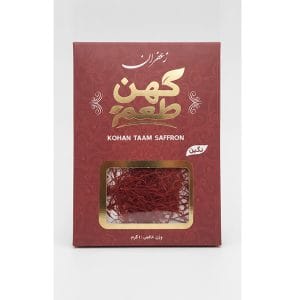 🇮🇷 Iran
Verified
SaffronThe dried stigmas of a sterile autumn crocus, hand-picked at roughly 440,000 threads to the kilogram.
Open the record
-
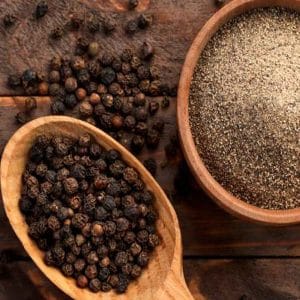 🇮🇳 India
Verified
Black Pepper
Indian spice farmers
Open the record
-
 🇱🇰 India
Verified
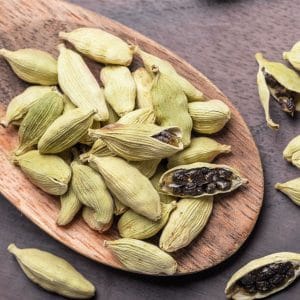
CardamomNative to one corner of southern India, priced every morning by public auction, and now grown mostly somewhere else.
Open the record
Frequently Asked Questions
Blooming saffron in a small amount of warm liquid before mixing extracts its maximum flavor, aroma, and golden color, preventing a weak or uneven infusion.
Use the cold water test. Pure saffron releases its color slowly while the threads remain red, whereas fake saffron loses its color instantly and turns white.
Kesar Doodh is primarily used for relaxation, mood enhancement, and cooling the body, while Haldi Doodh (Turmeric Milk) focuses on reducing inflammation and boosting immunity.