Understanding the anatomy of the products we consume is the first step to becoming a smarter buyer. The saffron style is not a defect, nor is it a fake ingredient—it is simply the quieter, less vibrant half of the world’s most expensive spice. Whether you choose pure red Negin for a vibrant Paella or a Pushal grade for guaranteed authenticity, knowing what that little yellow tail does ensures you get exactly what you pay for.
Saffron at a Glance: Key Facts for Buyers & Businesses
| Category | Details |
|---|---|
| Botanical Name | Crocus sativus L. |
| Primary Origins | Iran (90%), Afghanistan, Spain, Kashmir (India), Greece |
| Active Compounds | Crocin (color), Picrocrocin (flavor), Safranal (aroma) |
| Grading Standards | ISO 3632 (Category I–III based on crocin, picrocrocin, safranal levels) |
| Common Grades | Sargol (all-red threads), Negin (premium long threads), Pushal (red + some yellow) |
| Retail Price Range (2026) | 8– 15/gram (premium), 500 – 500– 3,000/kg (bulk, B2B) |
| Key Quality Indicators | Deep red color, minimal yellow threads, strong aroma, moisture <12%, no additives |
| Shelf Life | 2–3 years (airtight, cool, dark storage) |
| Culinary Uses | Paella, risotto, Persian rice, desserts, teas |
| Health Benefits | Antioxidant, mood support, potential anti-inflammatory properties* |
| Buying Tips for Consumers | Buy threads (not powder), check ISO cert, test 2–3 threads in warm water |
| Sourcing Tips for Businesses | Request lab reports (ISO 3632), verify origin docs, sample before bulk orders |
Saffron at a Glance: Key Facts for Buyers & Businesses. Origin, grades, 2026 prices, and purity checks — the essentials for both home and bulk saffron buyers, in one table. Columns: Category, Details. Botanical Name — Crocus sativus L.. Primary Origins — Iran (90%), Afghanistan, Spain, Kashmir (India), Greece. Active Compounds — Crocin (color), Picrocrocin (flavor), Safranal (aroma). Grading Standards — ISO 3632 (Category I–III based on crocin, picrocrocin, safranal levels). Common Grades — Sargol (all-red threads), Negin (premium long threads), Pushal (red + some yellow). Retail Price Range (2026) — 8– 15/gram (premium), 500 – 500– 3,000/kg (bulk, B2B). Key Quality Indicators — Deep red color, minimal yellow threads, strong aroma, moisture <12%, no additives. Shelf Life — 2–3 years (airtight, cool, dark storage).
If you have ever purchased a premium tin of saffron, you likely admired the vivid, crimson-red threads inside. But if you look closely at lower-grade batches—or if you have ever seen a freshly harvested saffron flower—you will notice a yellow or pale-white tail attached to the red thread.
In the spice trade, this pale section is known as the saffron style.
As a sourcing expert who evaluates agricultural products globally, I often see buyers confused about these yellow and white threads. Are they fake? Are they lower quality? And most importantly, can you actually eat them?
Let’s break down exactly what the saffron style is, how it impacts the price of your spice, and whether it has any place in your kitchen.
The Anatomy of Saffron: Where Does the Style Come From?
To understand the style, you need to understand the flower it comes from: the Crocus sativus.
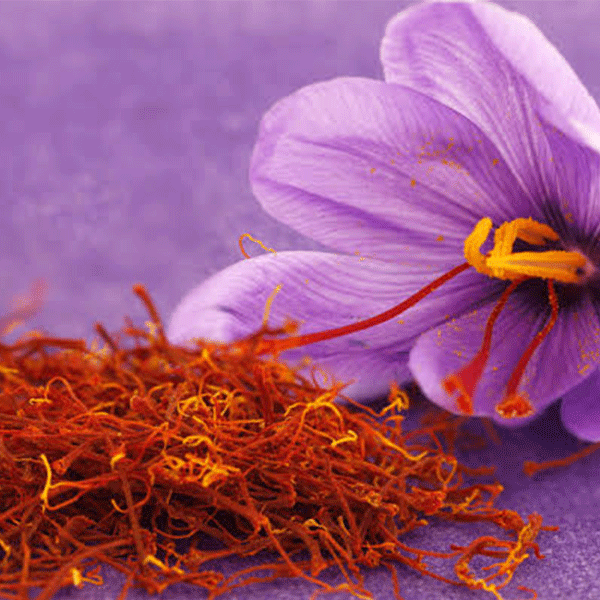
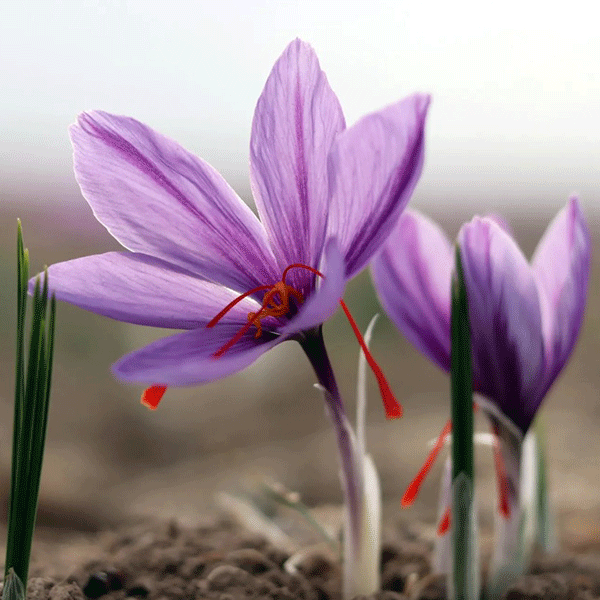
When a saffron crocus blooms, it produces a single female reproductive organ called the pistil. This pistil is made up of three parts:
Saffron style
The Stigma: The trumpet-shaped, vibrant red top. This is the highly prized, expensive part of the saffron we use for cooking.
The Style: The long, tubular yellow or white stalk that connects the red stigmas to the base of the flower.
The Ovary: The bulbous base hidden deep inside the flower.
When farmers harvest saffron, they pluck the entire pistil (the red stigmas and the yellow style together). What happens next depends on how the producer decides to grade and process the spice.
Can You Eat the Saffron Style?
Yes, the saffron style is 100% safe to eat. It is a natural part of the Crocus sativus flower and contains no toxins.
However, just because you can eat it doesn’t mean it performs the same culinary magic as the red stigma.
Here is what you need to know about consuming the saffron style:
Color (Crocin): The style contains zero crocin, which is the chemical compound responsible for saffron’s famous golden-yellow dye. If you steep pure saffron styles in hot water, the water will barely change color.
Flavor (Picrocrocin): It contains very little to no picrocrocin, meaning it lacks that distinct, slightly bitter earthy flavor of premium saffron.
Aroma (Safranal): This is where the style has some value. Moisture travels up the style to the stigma, and during drying, the style retains a faint trace of saffron’s signature floral aroma.
In short, eating the style won’t hurt you, and it might add a very mild floral scent to a tea or broth, but it will not color or flavor your dish like true saffron.
Saffron Culture and Facts: Uncover the centuries-old journey of “red gold,” from ancient royal courts to the modern culinary world.
Stigma vs. Style: A Quick Sourcing Comparison
| Feature | The Stigma (Red Saffron) | The Style (Yellow/White Saffron) |
|---|---|---|
| Color Output | Intense golden-yellow (High Crocin) | None to very pale yellow (No Crocin) |
| Flavor Profile | Strong, earthy, slightly bitter | Very mild, almost tasteless |
| Aroma | Pungent, sweet, floral (High Safranal) | Faint floral trace |
| Market Value | Extremely High (Premium Grades) | Very Low (Sold as a byproduct) |
| Best Use Case | Paellas, risottos, premium teas, baking | Herbal infusions, skincare, filler |
Should You Buy Saffron with the Style Attached?
When browsing authentic saffron, you will notice different “grades” or classifications (often based on the Iranian standard, which dictates global supply). Your decision to buy saffron with or without the style depends on your goals:
1. “Sargol” or “Negin” (All-Red)
What it is: The styles have been completely clipped off. You are buying 100% red stigmas.
The Verdict: Best for culinary professionals and home chefs who want maximum color and flavor per gram. It is the most expensive but yields the best results.
2. “Pushal” or “Mancha” (Red with a Yellow Tail)
What it is: Mostly red stigmas, but with 2 to 3 millimeters of the yellow style left attached at the bottom.
The Verdict: This is an excellent purchase. Why? Because the attached yellow tail is biological proof that the saffron is real. Counterfeiters rarely go through the trouble of replicating the red-to-yellow gradient of a natural thread. It offers high culinary value with built-in fraud protection.
3. “Bunch” or “Dasteh” (Full Thread)
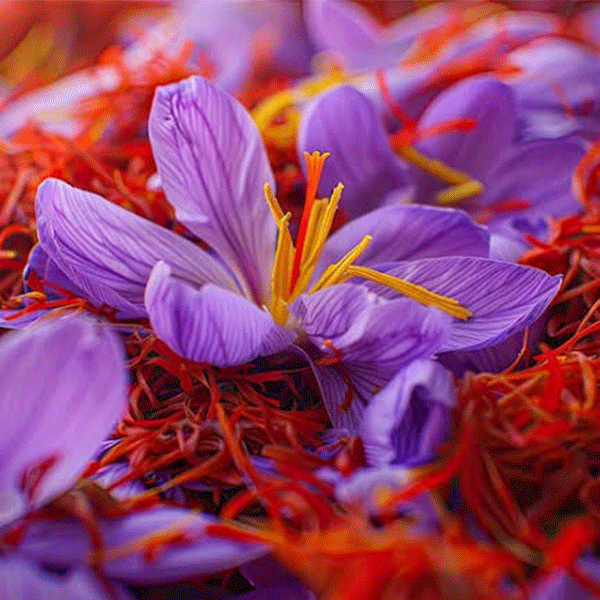
What it is: The entire thread (red stigma + long yellow/white style) dried and bundled together like a tiny haystack.
The Verdict: Great for traditional uses and teas. You get the whole natural botanical structure, but you are paying saffron prices for a lot of yellow weight that won’t flavor your food.
Saffron style
Beware of the “Dyed Style” Scam
Because the white and yellow styles are heavy and cheap, dishonest suppliers often separate them, dye them with artificial red coloring, and mix them back into premium red saffron to increase the weight and their profit margin.
How to spot it: If you drop a few threads of saffron into cold water, real red stigmas will slowly release a golden-yellow hue over 10-15 minutes, while the thread itself remains red. Dyed styles will instantly bleed a harsh red or orange color into the water, and the thread will quickly turn back to its original pale white.
Practical Ways to Use the Saffron Style (Konj/Sefid)
In traditional markets, the separated yellow/white styles are sold independently under names like Konj or Sefid (meaning “white” in Persian). If you happen to buy them, or if you clip them off your Pushal saffron, don’t throw them away.
Herbal Teas: Brew them with chamomile or cardamom. They add a comforting, subtle earthy aroma without overpowering the tea.
Skincare: Saffron styles retain some antioxidants. Many traditional cultures infuse them into rose water or almond oil for a brightening facial toner.
Light Broths: Drop them into clear chicken or vegetable broths where you want a hint of botanical aroma without turning the soup bright yellow.
Records mentioned in this article
Frequently Asked Questions
The style is the pale yellow or white floral stalk inside the Crocus sativus flower. It connects the base of the plant to the prized red stigmas, acting as a structural support.
Yes, it is completely safe and edible. However, it contains almost none of the essential oils (safranal) or color compounds (crocin) found in the red stigmas, meaning it offers no real flavor, aroma, or culinary value.
It is traditionally left attached to the red stigmas in certain grades (like “Bunch” or “Dasteh” saffron) to prove the authenticity of the threads. Unfortunately, dishonest sellers also use it as a filler to artificially increase the weight of the expensive spice.