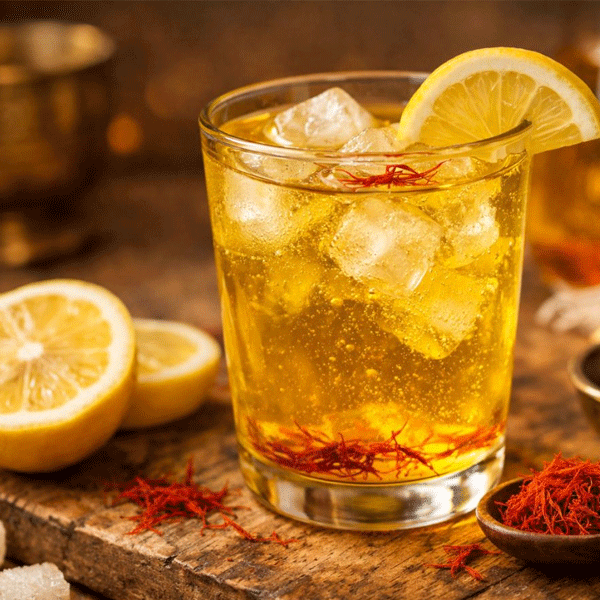
Elevate your summer gatherings with our signature Saffron Lemonade, a sophisticated twist that perfectly balances sharp citrus with the earthy, floral elegance of premium saffron. Learn the expert ice-blooming technique and essential sourcing tips to extract the most vibrant golden color and authentic flavor from high-grade Super Negin threads.
Saffron at a Glance: Key Facts for Buyers & Businesses
| Category | Details |
|---|---|
| Botanical Name | Crocus sativus L. |
| Primary Origins | Iran (90%), Afghanistan, Spain, Kashmir (India), Greece |
| Active Compounds | Crocin (color), Picrocrocin (flavor), Safranal (aroma) |
| Grading Standards | ISO 3632 (Category I–III based on crocin, picrocrocin, safranal levels) |
| Common Grades | Sargol (all-red threads), Negin (premium long threads), Pushal (red + some yellow) |
| Retail Price Range (2026) | 8– 15/gram (premium), 500 – 500– 3,000/kg (bulk, B2B) |
| Key Quality Indicators | Deep red color, minimal yellow threads, strong aroma, moisture <12%, no additives |
| Shelf Life | 2–3 years (airtight, cool, dark storage) |
| Culinary Uses | Paella, risotto, Persian rice, desserts, teas |
| Health Benefits | Antioxidant, mood support, potential anti-inflammatory properties* |
| Buying Tips for Consumers | Buy threads (not powder), check ISO cert, test 2–3 threads in warm water |
| Sourcing Tips for Businesses | Request lab reports (ISO 3632), verify origin docs, sample before bulk orders |
Saffron at a Glance: Key Facts for Buyers & Businesses. Origin, grades, 2026 prices, and purity checks — the essentials for both home and bulk saffron buyers, in one table. Columns: Category, Details. Botanical Name — Crocus sativus L.. Primary Origins — Iran (90%), Afghanistan, Spain, Kashmir (India), Greece. Active Compounds — Crocin (color), Picrocrocin (flavor), Safranal (aroma). Grading Standards — ISO 3632 (Category I–III based on crocin, picrocrocin, safranal levels). Common Grades — Sargol (all-red threads), Negin (premium long threads), Pushal (red + some yellow). Retail Price Range (2026) — 8– 15/gram (premium), 500 – 500– 3,000/kg (bulk, B2B). Key Quality Indicators — Deep red color, minimal yellow threads, strong aroma, moisture <12%, no additives. Shelf Life — 2–3 years (airtight, cool, dark storage).
When the summer heat hits its peak, standard iced drinks often lose their charm. If you are looking for something that not only cools you down but also elevates your afternoon gathering, adding saffron to your lemonade is a game-changer.
Through years of analyzing spice markets and sourcing premium ingredients at OriginAndSource, I’ve found that saffron isn’t just for savory rice dishes or rich stews. Its earthy, slightly floral, and honey-like notes cut perfectly through the sharp acidity of lemons.
This guide will walk you through the ultimate saffron lemonade recipe, how to choose the right ingredients, and the exact technique to extract that vibrant, sunset-golden color without wasting your precious spice.
How to “Bloom” Saffron for Drinks
You can’t just drop saffron threads into cold lemonade and expect a miracle. Saffron needs to be “bloomed” (infused) to release its color and aroma. For cold beverages, the traditional hot-water method can sometimes mute the delicate floral notes. Instead, I highly recommend the ice-blooming method.
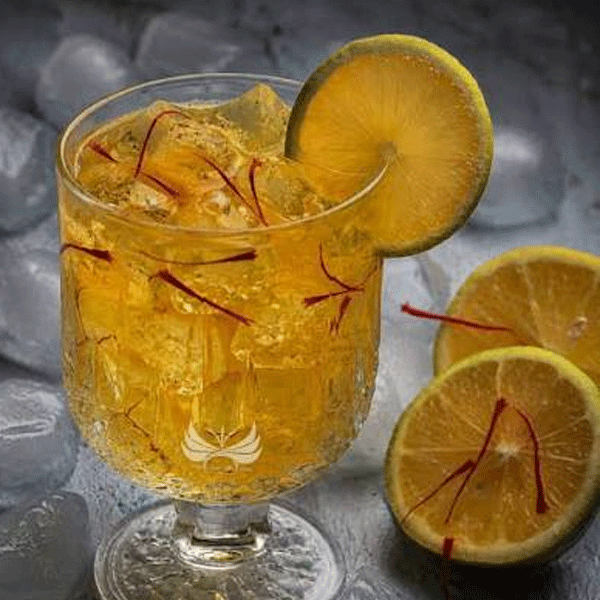
Saffron lemonade recipe
How to do it:
Place a tiny pinch (about 10-15 threads) of saffron in a small mortar and pestle.
Add a literal pinch of sugar (this acts as an abrasive) and grind it into a fine powder.
Transfer the powder to a small glass and top it with 2-3 standard ice cubes.
Let it sit at room temperature. As the ice slowly melts, it extracts a deep, vibrant crimson liquid that smells incredible.
This liquid is your “liquid gold” base for the lemonade.
The Ultimate Saffron Lemonade Recipe
Prep time: 15 minutes | Yield: 4 servings
Ingredients
Fresh Lemons: 1 cup of freshly squeezed lemon juice (about 5-7 large lemons). Never use bottled juice; the preservatives clash with the saffron.
Saffron: 1/4 teaspoon of premium saffron threads (bloomed as described above).
Sweetener: 3/4 cup of simple syrup, honey, or agave nectar (adjust to your taste).
Water: 3 to 4 cups of cold filtered water.
Garnish: Fresh mint leaves, lemon wheels, and a dash of rosewater (optional, but highly recommended for a Middle Eastern twist).
Instructions
Prepare the Saffron: Bloom the saffron using the ice method mentioned above.
Mix the Base: In a large glass pitcher, combine the freshly squeezed lemon juice and your chosen sweetener. Stir vigorously until the sweetener is completely dissolved.
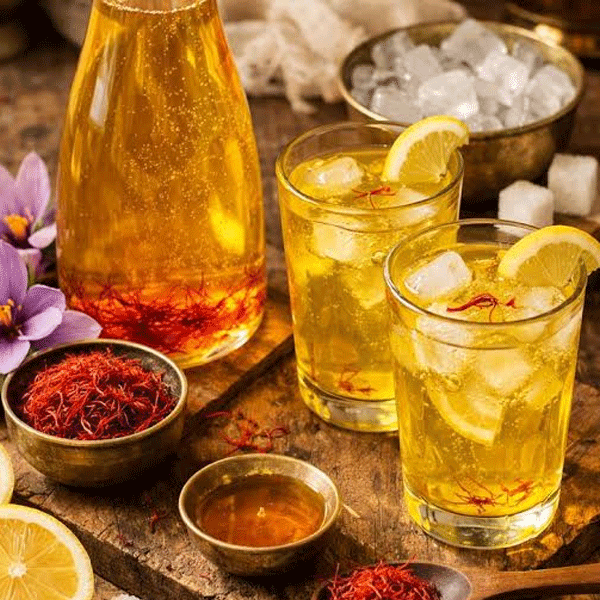
Saffron lemonade recipe
Add the Magic: Pour the bloomed saffron liquid into the pitcher. Watch as the color transforms the juice into a brilliant, glowing yellow.
Dilute and Chill: Add the cold filtered water. Taste and adjust. If it’s too tart, add a splash more sweetener; if too sweet, squeeze in half a lemon.
Serve: Fill tall glasses with ice, pour the saffron lemonade, and garnish with a lemon wheel and a sprig of fresh mint.
Sourcing the Right Saffron: A Buyer’s Decision Guide
When you are making a delicate drink, the quality of your spice matters. If you buy cheap, adulterated saffron, your lemonade might taste like medicinal plastic or yield a dull, yellowish-brown color.
When shopping for this recipe, look for Super Negin or Sargol cuts.
Why? These cuts contain only the vivid red tips (stigma) of the crocus flower, holding the highest concentration of crocin (color) and safranal (aroma).
What to avoid: Avoid “Pushal” or bunch saffron for drinks, as the yellow styles attached to the red threads offer no flavor and will only dilute your infusion.
Saffron Culinary Arts: Transform simple ingredients into golden culinary masterpieces.
Saffron Lemonade vs. Regular Lemonade
| Feature | Standard Lemonade | Saffron Lemonade |
|---|---|---|
| Flavor Profile | Sharp, citrusy, straightforward sweet/tart. | Complex, earthy, floral with a smooth, lingering honey finish. |
| Visual Appeal | Pale, cloudy yellow. | Vibrant, glowing, sunset-gold color. |
| Cost per Pitcher | Very Low | Moderate (Saffron adds ~1.50−2.00 per pitcher). |
| Best Occasion | Casual picnics, kids’ parties, daily refreshment. | Dinner parties, bridal showers, upscale summer brunches. |
Choosing the Best Sweetener for Saffron
The sweetener you choose directly impacts the final flavor. Here is how to make the right choice based on what you have in your pantry:
Simple Syrup (White Sugar + Water): The best option for a pure, unadulterated saffron flavor. It provides a clean sweetness without masking the spice.
Honey: Excellent for throat health and pairs beautifully with saffron’s natural honey notes. However, use a mild clover or acacia honey; dark, robust honeys (like buckwheat) will completely overpower the drink.
Agave Nectar: A great vegan alternative that dissolves easily in cold liquids. It has a neutral flavor, making it a safe bet.
Records mentioned in this article
-
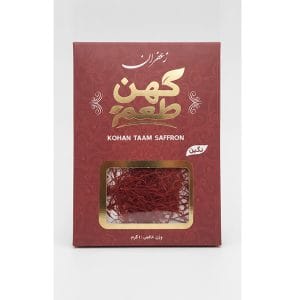 🇮🇷 Iran
Verified
SaffronThe dried stigmas of a sterile autumn crocus, hand-picked at roughly 440,000 threads to the kilogram.
Open the record
-
 🇪🇸 Spain
Verified
Honey
Wild bees, harvested by early humans
Open the record
-
 🇮🇳 India
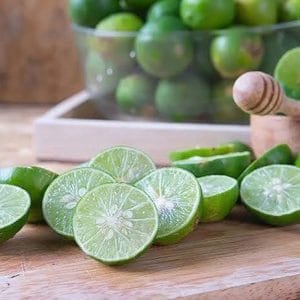
LemonSun-Drenched Citrus with an Unrivaled Crisp Finish.
Early Asian growers, later Arab traders
Open the record
Frequently Asked Questions
You can make the lemonade up to 48 hours in advance. Keep it in an airtight glass pitcher in the refrigerator. Do not add the mint garnishes until right before serving, as sitting in the acidic juice will turn the leaves brown and bitter. The saffron flavor actually deepens and melds better with the lemon after sitting for 12-24 hours.
Absolutely. For a mocktail, swap half the still water for sparkling water or club soda right before serving. If you are crafting a cocktail, saffron lemonade pairs exceptionally well with botanical gins or a clean, premium vodka.
This usually happens for one of two reasons: either the saffron was not bloomed properly before being added to the cold liquid, or the saffron itself was of low quality/expired. Saffron degrades over time; if yours has been sitting in a clear jar on your spice rack for three years, it has likely lost its potency to light and air exposure.