Delve into the ancient wisdom of Traditional Chinese Medicine with Saffron (Zang Hong Hua), a potent botanical remedy celebrated for invigorating blood circulation, cooling systemic heat, and calming the mind.
Saffron at a Glance: Key Facts for Buyers & Businesses
| Category | Details |
|---|---|
| Botanical Name | Crocus sativus L. |
| Primary Origins | Iran (90%), Afghanistan, Spain, Kashmir (India), Greece |
| Active Compounds | Crocin (color), Picrocrocin (flavor), Safranal (aroma) |
| Grading Standards | ISO 3632 (Category I–III based on crocin, picrocrocin, safranal levels) |
| Common Grades | Sargol (all-red threads), Negin (premium long threads), Pushal (red + some yellow) |
| Retail Price Range (2026) | 8– 15/gram (premium), 500 – 500– 3,000/kg (bulk, B2B) |
| Key Quality Indicators | Deep red color, minimal yellow threads, strong aroma, moisture <12%, no additives |
| Shelf Life | 2–3 years (airtight, cool, dark storage) |
| Culinary Uses | Paella, risotto, Persian rice, desserts, teas |
| Health Benefits | Antioxidant, mood support, potential anti-inflammatory properties* |
| Buying Tips for Consumers | Buy threads (not powder), check ISO cert, test 2–3 threads in warm water |
| Sourcing Tips for Businesses | Request lab reports (ISO 3632), verify origin docs, sample before bulk orders |
Saffron at a Glance: Key Facts for Buyers & Businesses. Origin, grades, 2026 prices, and purity checks — the essentials for both home and bulk saffron buyers, in one table. Columns: Category, Details. Botanical Name — Crocus sativus L.. Primary Origins — Iran (90%), Afghanistan, Spain, Kashmir (India), Greece. Active Compounds — Crocin (color), Picrocrocin (flavor), Safranal (aroma). Grading Standards — ISO 3632 (Category I–III based on crocin, picrocrocin, safranal levels). Common Grades — Sargol (all-red threads), Negin (premium long threads), Pushal (red + some yellow). Retail Price Range (2026) — 8– 15/gram (premium), 500 – 500– 3,000/kg (bulk, B2B). Key Quality Indicators — Deep red color, minimal yellow threads, strong aroma, moisture <12%, no additives. Shelf Life — 2–3 years (airtight, cool, dark storage).
When you spend years tracing the origins and supply chains of the world’s most valuable botanicals, you realize that a plant’s true worth isn’t just in its culinary appeal. In Traditional Chinese Medicine (TCM), saffron isn’t merely a luxury spice used for paella or risotto. It is a highly respected, potent therapeutic agent known as Fan Hong Hua (番红花), which translates to “Foreign Red Flower.”
Historically introduced to China via the Silk Road from regions like Persia (modern-day Iran) and the Mediterranean, saffron carved out a unique niche in the ancient Chinese pharmacopeia.
If you are looking to understand how saffron functions within TCM, whether you are a holistic health enthusiast or a buyer trying to source medicinal-grade threads, this guide breaks down the clinical uses, energetic properties, and crucial buying decisions you need to make.
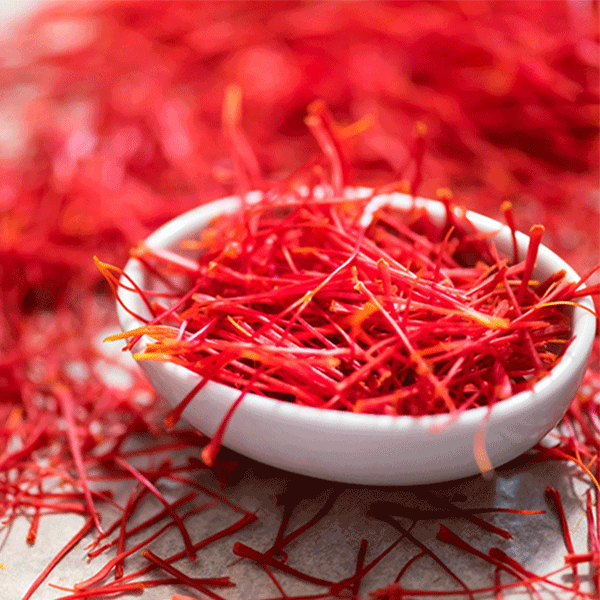
Saffron in TCM
The Energetics of Saffron in TCM: How Does It Work?
To understand how TCM practitioners use saffron, we first need to step away from Western biochemical terms and look at the body through the lens of meridians and energy (Qi).
In TCM, every herb has specific properties, flavors, and meridian affinities. Here is how saffron profiles:
Flavor: Sweet (甘)
Nature (Temperature): Neutral to slightly Cold (平/微寒)
Meridian Affinities: Heart (心) and Liver (肝) channels.
Because it targets the Heart and Liver—the organs responsible for governing blood and regulating emotions in Chinese medicine—saffron is considered a premier herb for moving blood and clearing emotional stagnation.
3 Multi-Step Core Uses of Saffron in TCM
TCM rarely uses an herb for just one isolated symptom. Practitioners look at a cascade of effects. Here are the primary multi-step applications of Fan Hong Hua:
1. Invigorating Blood and Dispersing Stasis
The Problem: In TCM, when blood flow slows down due to trauma, cold, or chronic illness, it creates “Blood Stasis.” This manifests as sharp, localized pain, menstrual irregularities, or cardiovascular issues.
The Saffron Solution: Saffron is a heavy hitter for breaking up this stasis. It aggressively promotes blood circulation. Practitioners often prescribe it for women experiencing severe dysmenorrhea (painful periods with clots), postpartum abdominal pain, or patients recovering from traumatic physical injuries.
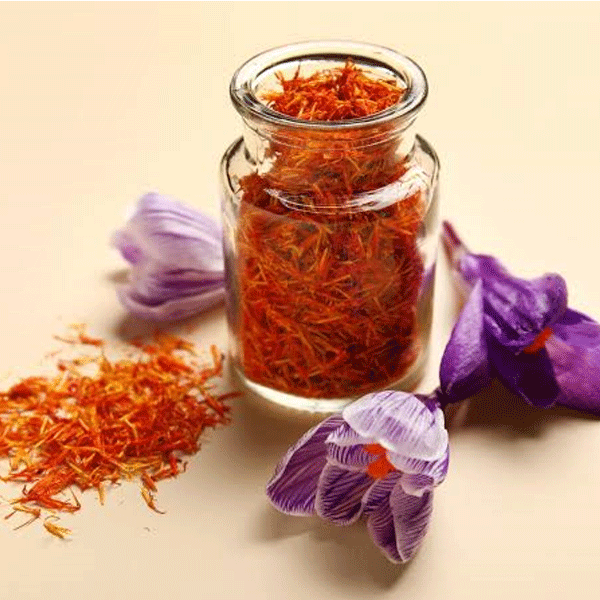
Saffron in TCM
2. Cooling the Blood and Detoxifying
The Problem: When pathogenic “Heat” enters the blood level, it can cause skin eruptions (like severe acne or rashes) or feverish conditions.
The Saffron Solution: Because of its slightly cold nature, saffron doesn’t just move blood; it cools it down. It is used to help the body clear out toxins and reduce deep, heat-based inflammation.
3. Calming the Spirit (Shen) and Relieving Depression
The Problem: Stagnation in the Liver channel often leads to emotional distress, anxiety, tightness in the chest, and depression.
The Saffron Solution: Saffron gently opens the chest and resolves melancholy. Modern science mirrors this ancient wisdom, with numerous clinical trials now backing saffron’s efficacy in treating mild to moderate depression.
Saffron Cultivation and Facts: Saffron holds great importance in all cultures.
Saffron (Fan Hong Hua) vs. Safflower (Hong Hua)
| Feature | Saffron (Fan Hong Hua) | Safflower (Hong Hua) |
|---|---|---|
| Botanical Source | Crocus sativus (Stigmas) | Carthamus tinctorius (Petals) |
| TCM Temperature | Neutral to slightly Cold | Warm |
| Potency & Dosage | Very strong; tiny dosage required (1-3 grams) | Milder; larger dosage required (3-9 grams) |
| Best Used For | Cooling blood, severe pain, calming the mind | Warming the meridians, general blood moving |
| Market Value | Extremely High ($-$$) | Very Low ($) |
How to Prepare and Consume Saffron Medicinally
If a TCM practitioner recommends saffron, you won’t be sprinkling it over rice. Medicinal preparation is highly specific to ensure the active compounds (like crocin and safranal) are properly extracted.
Saffron Tea Infusion: The most common method. 3 to 5 high-quality threads are steeped in hot (not boiling) water for 10-15 minutes. The water turns a brilliant golden yellow. You drink the liquid and eventually consume the threads.
Alcohol Tinctures (Medicinal Wines): Because many of saffron’s compounds are alcohol-soluble, it is often steeped in rice wine for weeks. This “medicinal wine” is consumed in tiny, daily doses to treat…
Records mentioned in this article
Frequently Asked Questions
In TCM, saffron is primarily used to invigorate blood circulation, remove blood stasis, and cool the blood. It is highly valued for easing pain, reducing inflammation, and calming the mind (Shen) to alleviate anxiety and depression.
While both are used to move blood, genuine saffron is significantly stronger and cooler in nature. It is more effective for severe blood stagnation, cooling systemic heat, and treating emotional or mood imbalances, whereas safflower is milder and more commonly used for general pain relief and injury recovery.
Yes. Pregnant women must strictly avoid therapeutic doses of saffron, as its powerful blood-invigorating properties can stimulate uterine contractions and lead to miscarriage. It should also be avoided by individuals with active bleeding disorders or those taking pharmaceutical blood thinners.