Sourcing authentic Crocus sativus corms is the most critical foundation for successfully cultivating your own high-yield saffron. This guide compares top commercial farms and specialized retailers to help you navigate bulb sizes, pricing, and avoid common market scams. Discover exactly when to buy and what to ask suppliers to secure the healthiest corms for a thriving, profitable harvest of “red gold.”
Saffron at a Glance: Key Facts for Buyers & Businesses
| Category | Details |
|---|---|
| Botanical Name | Crocus sativus L. |
| Primary Origins | Iran (90%), Afghanistan, Spain, Kashmir (India), Greece |
| Active Compounds | Crocin (color), Picrocrocin (flavor), Safranal (aroma) |
| Grading Standards | ISO 3632 (Category I–III based on crocin, picrocrocin, safranal levels) |
| Common Grades | Sargol (all-red threads), Negin (premium long threads), Pushal (red + some yellow) |
| Retail Price Range (2026) | 8– 15/gram (premium), 500 – 500– 3,000/kg (bulk, B2B) |
| Key Quality Indicators | Deep red color, minimal yellow threads, strong aroma, moisture <12%, no additives |
| Shelf Life | 2–3 years (airtight, cool, dark storage) |
| Culinary Uses | Paella, risotto, Persian rice, desserts, teas |
| Health Benefits | Antioxidant, mood support, potential anti-inflammatory properties* |
| Buying Tips for Consumers | Buy threads (not powder), check ISO cert, test 2–3 threads in warm water |
| Sourcing Tips for Businesses | Request lab reports (ISO 3632), verify origin docs, sample before bulk orders |
Saffron at a Glance: Key Facts for Buyers & Businesses. Origin, grades, 2026 prices, and purity checks — the essentials for both home and bulk saffron buyers, in one table. Columns: Category, Details. Botanical Name — Crocus sativus L.. Primary Origins — Iran (90%), Afghanistan, Spain, Kashmir (India), Greece. Active Compounds — Crocin (color), Picrocrocin (flavor), Safranal (aroma). Grading Standards — ISO 3632 (Category I–III based on crocin, picrocrocin, safranal levels). Common Grades — Sargol (all-red threads), Negin (premium long threads), Pushal (red + some yellow). Retail Price Range (2026) — 8– 15/gram (premium), 500 – 500– 3,000/kg (bulk, B2B). Key Quality Indicators — Deep red color, minimal yellow threads, strong aroma, moisture <12%, no additives. Shelf Life — 2–3 years (airtight, cool, dark storage).
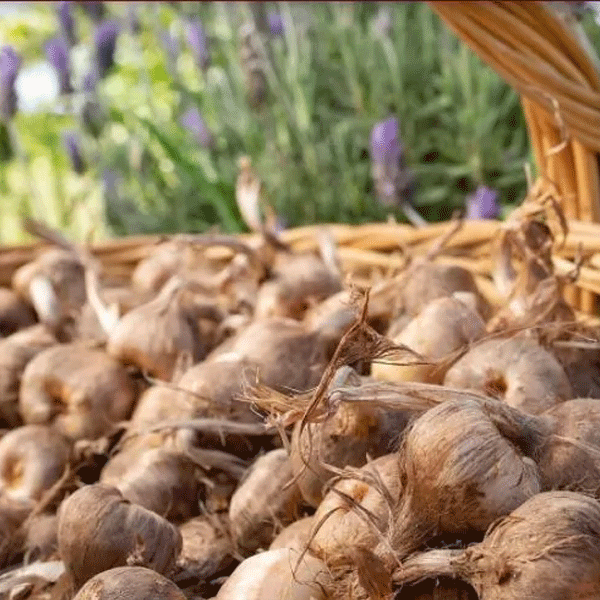
If you’ve ever cooked with authentic saffron, you know why it’s called “red gold.” The aroma, the vibrant color, and the sheer luxury of it are unmatched. But when you finally decide to grow your own and start searching for where to buy saffron bulbs (technically called corms), you quickly realize that sourcing them isn’t as simple as picking up a pack of tulip bulbs at your local hardware store.
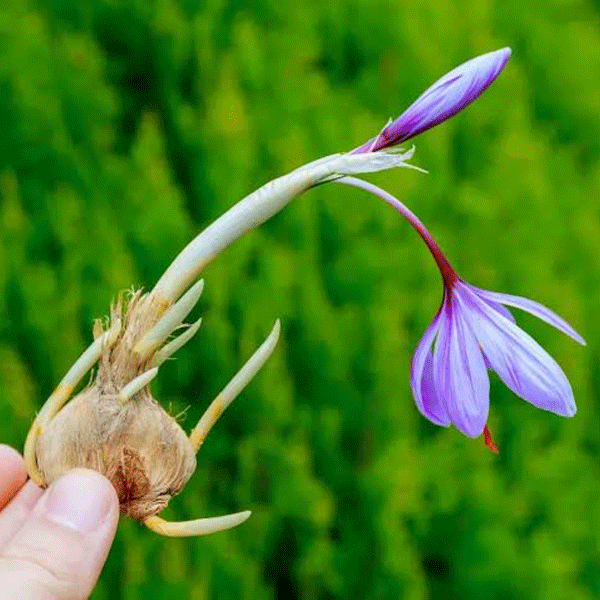
Buying the right saffron corms is the single most important decision you will make in your saffron-growing journey. Buy the wrong size, and you won’t see a single flower. Buy from an unreliable source, and you might end up with the highly toxic Autumn Crocus instead of the true saffron crocus (Crocus sativus).
In this guide, I’ll walk you through exactly where to buy high-quality saffron corms, how to compare your options, and the critical factors you need to check before hitting the checkout button.
where to buy saffron bulbs
Are You Buying Crocus Sativus?
Before we talk about where to buy, let’s talk about what to buy. Saffron comes exclusively from the Crocus sativus plant.
When shopping, you might see bulbs labeled simply as “Autumn Crocus” (Colchicum autumnale). Do not buy these. While they bloom in the fall like saffron, they are completely unrelated and highly poisonous. Always look for the exact botanical name: Crocus sativus.
Where to Buy Saffron Bulbs
When it comes to sourcing saffron corms, you generally have three main avenues. Each has its own pros and cons depending on whether you are planting a small backyard patch or starting a commercial farm.
1. Specialized Online Bulb Retailers (Best for Beginners & Home Gardeners)
For most people, reputable online bulb companies are the safest and most reliable route. Companies that specialize in fall-planted bulbs usually import high-quality, disease-free corms directly from the Netherlands or Spain.
The Experience: You’ll typically have to pre-order these in late spring or summer. They will ship the bulbs to you right when it’s time to plant in your specific growing zone (usually late August or September).
What to look for: Look for established retailers with clear return policies and verified customer reviews showing actual blooms.
2. Commercial Saffron Farms (Best for Bulk & Commercial Growers)
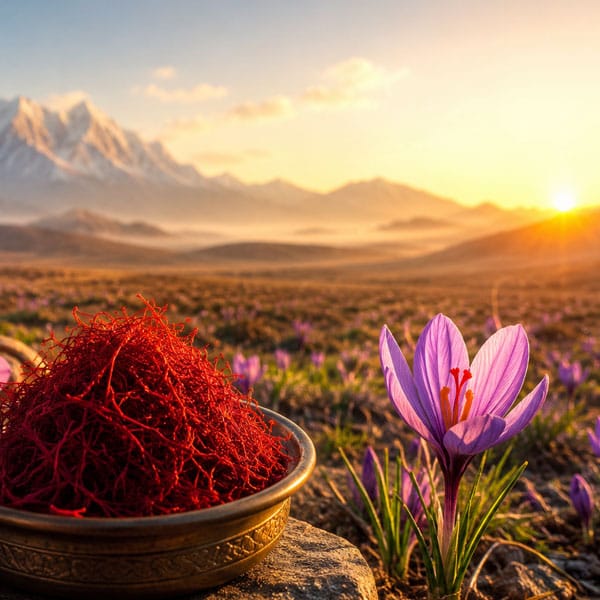
If you are planning to plant a large area and need thousands of corms, buying retail will break the bank. You need to go directly to the source. Many established saffron farms sell their “daughter corms” during their dormant season (June to August).
The Experience: Sourcing from a working farm means you are getting acclimated corms from people who actually grow saffron for a living. They often provide invaluable planting advice tailored to your climate.
What to look for: Ask about their crop history and if their corms are tested for common fungal diseases like Fusarium or Rhizoctonia.
where to buy saffron bulbs
3. Online Marketplaces (Amazon, Etsy, eBay) – Proceed with Caution
You will find dozens of listings for cheap saffron bulbs on massive online marketplaces.
The Experience: While there are a few honest sellers, these platforms are notoriously risky for buying specialty bulbs. Many buyers report receiving dead, moldy corms, or worse, the wrong species entirely.
What to look for: If you must buy here, only buy from sellers with hundreds of reviews specific to Crocus sativus with user-uploaded photos of the harvested red stigmas.
Saffron Business and Trade Guide: Discover the secrets to sourcing authentic saffron, ensuring premium quality, and succeeding in the global spice market.
Saffron Sourcing Comparison Table
| Sourcing Option | Best For | Price Range (Per Bulb) | Reliability & Quality |
|---|---|---|---|
| Specialty Bulb Retailers | Home gardeners, small patches | 0.80 – 1.50 | High (Often imported & certified) |
| Commercial Saffron Farms | Bulk buyers, serious growers | 0.30 – 0.70 (in bulk) | Very High (Acclimated to local climate) |
| Local Nurseries | Impulse buyers, small tests | 1.00 – 2.00 | Medium (Limited stock & sizes) |
| Online Marketplaces (Etsy, Amazon) | Bargain hunters | 0.20 – 1.00 | Low to High Risk (Varies by seller) |
Why Corm Size Matters
One of the biggest mistakes first-time buyers make is ignoring the size of the corm. Saffron corms are measured by their circumference in centimeters.
If a deal seems too good to be true, the seller is likely offering undersized corms. Here is how you should decide which size to buy based on your goals:
Size 7/8 cm: These are cheap, but they will likely not produce a flower in their first year. You are essentially buying them to grow in the soil for a year so they can multiply and bloom the next year.
Size 9/10 cm (The Sweet Spot): This is the ideal size for most growers. You get a high probability of 1 to 2 flowers per corm in the very first autumn, and the price is usually reasonable.
Size 10+ cm (Premium): These are the largest corms available. They are more expensive, but they guarantee robust, multiple flowers (sometimes 3-4 per corm) right out of the gate. If you want instant gratification, this is what you buy.
When Should You Buy and Plant?
Saffron has an opposite growing cycle to most plants. It sleeps during the hot summer and wakes up in the fall.
When to Order: The best time to place your order is between June and August. Suppliers take pre-orders during this time and often sell out completely by late summer.
When to Plant: You must plant your corms as soon as you receive them, typically in late August to late September, depending on your zone. They will sprout and flower just 4 to 6 weeks after planting!
Records mentioned in this article
Frequently Asked Questions
Sometimes, yes. Larger, well-stocked local nurseries may carry Crocus sativus in late August or September alongside their fall-planted spring bulbs. However, stock is usually very limited, and the corm sizes tend to be smaller. Calling ahead is highly recommended.
It takes approximately 150 to 170 saffron flowers to produce 1 gram of dried saffron threads. Assuming you buy high-quality 9/10cm corms that produce one flower each in their first year, you should buy at least 150 to 170 corms to yield one gram of the spice.
A single saffron corm only lives for one year. However, before the “mother” corm dies, it multiplies underground, producing 2 to 5 new “daughter” corms. If planted in well-draining soil, a one-time purchase of corms will naturally multiply and produce saffron for years to come.