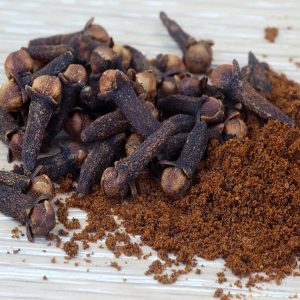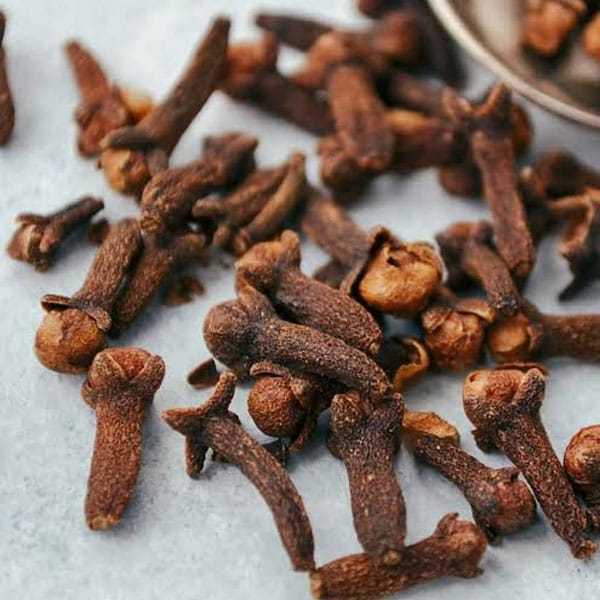
If you have ever pressed a clove into an orange, simmered one in chai, or felt the numbing warmth of a clove oil drop on a sore tooth, the bud in your hand most likely did not grow where you live. Behind much of the global trade is a short list of tropical places, and two of them, an enormous island off the southeast coast of Africa and a pair of spice islands off its east coast, matter more than most buyers realize. This guide explains how Madagascar clove export works on the ground, how Tanzania fits beside it, and what the numbers say, so you can buy, source, or simply cook with a better sense of the origin.
Why the Madagascar clove export story starts on the east coast
The eastern coast of Madagascar is where modern commercial clove cultivation took shape. The region’s wet climate, warm temperatures, and steady rainfall suit the clove tree (Syzygium aromaticum), a slow evergreen that can take years to flower and then produces for decades. Farm families around towns such as Fénérive-Est, Mananara, and Vatomandry plant, tend, and harvest the buds by hand, climbing trees or leaning ladders against them during the short harvest window. A bud has to be picked while it is still closed and pink-green, because once it opens into a flower it loses the oil that gives cloves their flavor.
What this means for you as a buyer is simple. Every batch carries the marks of a hand-picked crop: variation in bud size, moisture, and color from one harvest to the next. If you source from this coast, ask when the lot was harvested and how it was dried, because the weeks after picking decide quality more than almost anything else.
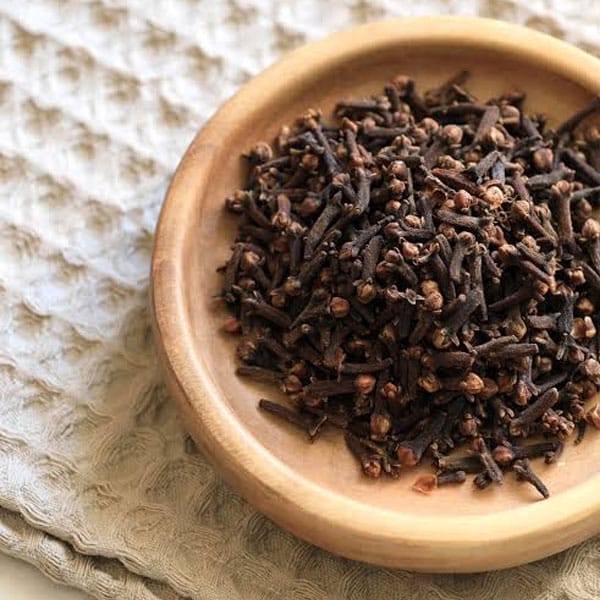
madagascar clove export
The three ways cloves are grown
Not all cloves grow in the same kind of field. Across the producing regions you will find three main cultivation systems, and knowing which one your supplier’s farmers use tells you a lot about the product.
Monoculture. Here, clove trees are planted in rows with little else around them. It is the easiest system to manage and harvest, and it can produce high yields per hectare in the short term. The trade-off is risk: one disease, one bad storm, or one price collapse hits the whole farm at once, and bare soil between the trees erodes faster in heavy rain.
Parkland agroforestry (the farmland park). In this system, scattered clove trees stand in open farmland among food crops and grazing space, a little like trees in a village park. Farmers get a cash crop and a harvest of vegetables, rice, or cassava from the same land. It is flexible and common on smallholdings, but the trees are spread out, so harvest takes more walking and yields per hectare are lower.
Forest-based agroforestry. In this approach, clove trees grow among other tree species, fruit trees, and shade cover, so the plot looks closer to a managed forest than to a field. It protects soil, supports biodiversity, and spreads income across several crops. It also tends to produce cloves more slowly, and managing a layered plot takes more skill.
When a supplier tells you their cloves are “naturally grown” or “forest grown,” ask which of these systems they mean. The words are used loosely, and the real answer affects traceability, sustainability claims, and sometimes price.
What the figures say: Madagascar and Tanzania in 2022 and 2024
Numbers help here, but they need careful reading, because trade databases do not always agree. Two data points are worth holding in mind.
For 2022, trade profiles drawn from international statistics show that Madagascar led world clove exports at about US$372 million, followed by Tanzania at roughly US$73.4 million, with Indonesia third at about US$68.6 million. That was a very strong year, and it shows how dominant Madagascar had become among exporting countries.
economia
For 2024, the picture changed. According to UN Comtrade figures compiled by a commodity-price site, Madagascar exported about US$163 million of cloves, around 27,900 tonnes, which was a drop of roughly a third from the year before. The same source lists Tanzania at about US$16.8 million for 2024.
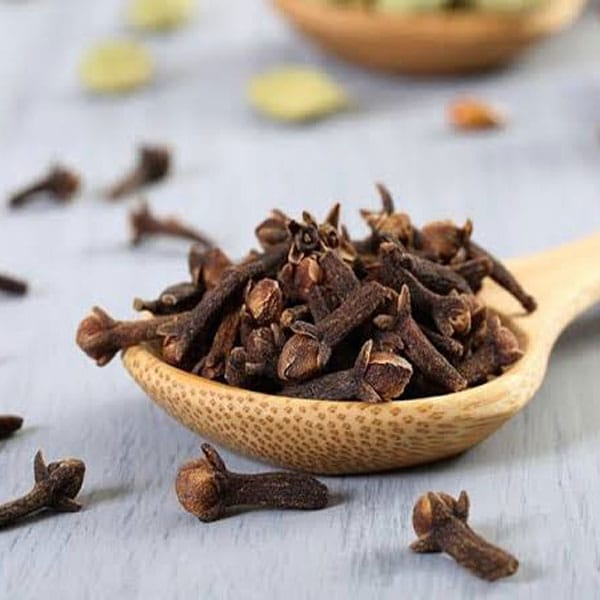
madagascar clove export
So across the two years, Madagascar’s export value fell from about 372 to about 163 million dollars, and Tanzania’s fell from about 73 to about 17 million. Both are down sharply. Keep two cautions in mind. First, these figures come from different compilations, so the gap between 2022 and 2024 may be slightly exaggerated or softened by method. Second, value is not volume. A high-price year can look huge in dollars even when tonnage is ordinary, and a price slump can make a normal harvest look like a collapse. Always check both the value and the tonnage when you compare years.
How big is each country’s clove economy at home?
Looking at longer averages tells you how much cloves matter to each economy. FAO estimates summarized in a regional report put Madagascar’s average output at about 24,419 tonnes per year from 2020 to 2024, which is nearly 60 percent of Africa’s clove production. The same report states that Tanzania averaged about 8,580 tonnes per year over that period, making it the continent’s second-largest producer.
For Tanzania, cloves matter even more at home than the export totals suggest. The same report notes that cloves are the country’s main agricultural export, accounting for nearly 60 percent of annual agricultural export revenue, a figure that mostly reflects the Zanzibar islands, where clove growing is closely tied to the economy and to a long history of state-managed trade.
ecofinagency
Madagascar vs. Tanzania: how the cloves differ in practice
If you are choosing between the two origins, here is what tends to matter.
Madagascar cloves usually come in larger volumes and move through a wide network of collectors, local traders, and exporters. That means supply is generally easier to find, but quality can vary between lots, so grading, moisture checks, and a clear harvest date are worth insisting on.
Tanzanian cloves, especially from Zanzibar and Pemba, are often presented as a premium, strongly aromatic product, and the trade is more centralized. In practice, that can mean smaller and more tightly controlled volumes, with buying rules that depend on state channels. If you need a very specific flavor profile or a certain level of traceability, it is worth asking whether the lot can be tied to a known island or district.
In both cases, the best question you can ask is also the simplest: “Who grew these, and when were they picked?” A supplier who can answer in detail usually has a better product.
What to check before you buy
A short checklist saves a lot of money and disappointment.
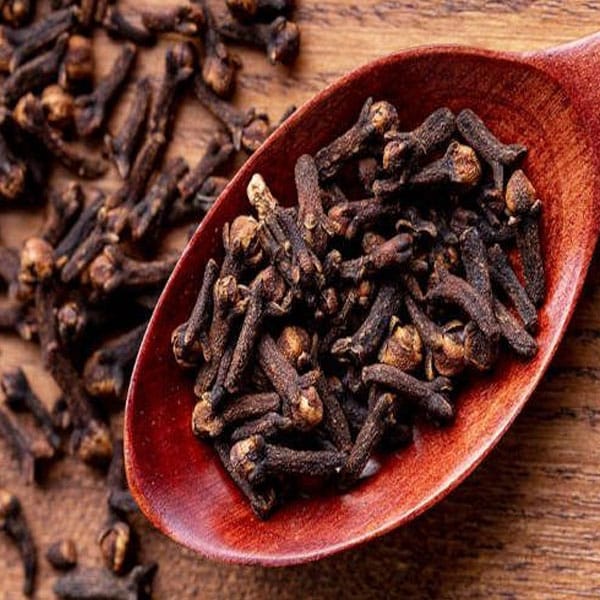
Appearance. Good cloves are dark reddish-brown, with a plump head and a firm stem. Pale, shriveled, or broken buds suggest age or poor drying.
Oil test. Press a bud gently with a fingernail. Fresh cloves release a little oil and a sharp, sweet aroma. If nothing comes out, the oil has faded.
Moisture and storage. Cloves that are too damp can mold in transit. Ask for moisture levels and how the lot was stored.
Stem content. Many sellers mix in extra stems, which are cheaper and weaker. Ask for the stem percentage.
Paperwork. Check the origin certificate and harvest date, and for larger orders, whether the exporter can show lab results for pesticide and contaminant levels.
madagascar clove export
Why the price moves so much
Clove prices swing more than most spices, and one reason is the tree itself. A clove tree needs years to mature, and production in many areas runs in uneven cycles, with a big harvest followed by a weak one. When a good year floods the market, prices fall. When a poor year follows, they climb again. Exchange rates, shipping costs, and buyer demand add more movement on top. If you want to understand what a fair figure looks like and why it changes, read about the export price, where I break down how these swings feed through to the bag you buy.
A note on other producers
You may wonder why Indonesia, the biggest grower in the world, does not dominate the export lists. The answer is that most of its harvest never leaves the country. It goes into kretek cigarettes made at home. That is the reason [Indonesia keeps its own crop], and it is also why Madagascar and Tanzania carry so much weight in the global trade even though they grow less. The same dynamic explains why a bad Indonesian harvest can quickly tighten supply elsewhere and send buyers looking to the African producers.
Keeping a record of what you buy
If you buy cloves regularly, whether for a restaurant, a spice business, or a serious home pantry, keep a simple record of each lot: origin, harvest year, supplier, price, and how it performed. After a few purchases you will see patterns that no market report can show you. For a ready-made reference, use the clove record, where origins, seasons, and quality notes are collected in one place.
Records mentioned in this article

Frequently Asked Questions
The eastern coast. Its wet, warm climate suits clove trees, and towns such as Fénérive-Est and Mananara are major growing areas.
Monoculture (rows of cloves with no other crop), parkland agroforestry (scattered clove trees among farmland and food crops), and forest-based agroforestry (cloves grown among other trees and natural cover).
In 2022, Madagascar exported about US$372 million and Tanzania about US$73.4 million. In 2024, Madagascar exported about US$163 million and Tanzania about US$16.8 million, so both countries saw a sharp drop.