If you have ever walked through a night market in Java and caught a sweet, spicy, faintly medicinal smoke drifting through the air, you have already met the kretek. So, what is a kretek clove cigarette? It is an Indonesian cigarette made from a blend of tobacco and dried clove buds, and it is so deeply woven into the country’s economy that it consumes the majority of the clove crop grown on Indonesian soil. This article explains where kretek came from, how it is made, why it quietly shapes the global clove market, and why the United States stopped importing it in 2009. It does not judge, it describes, so that you can understand a product that is part commodity, part culture, and part controversy.
Kretek is Indonesia’s signature cigarette, combining tobacco with chopped clove buds, and it takes in a very large share of the country’s clove harvest.
In 2009 the United States banned flavored cigarettes, which made kretek illegal to sell there, a move that sparked a trade dispute at the World Trade Organization.
This article is about trade, culture and marketing, not about taking sides on smoking.
What Is a Kretek, Exactly?
The word kretek is onomatopoeic. When you light one, the clove buds inside burn with a soft, repeated crackle, roughly “kre-tek, kre-tek”, and that sound gave the cigarette its name. A typical kretek contains somewhere around two-thirds to three-quarters tobacco, with the rest made up of finely cut clove buds and a sauce of flavorings. The smoke is noticeably sweeter and heavier than a standard cigarette, with a warm, almost cinnamon-like edge, and the paper often looks darker and the tip more fragile.
what is kretek clove cigarette
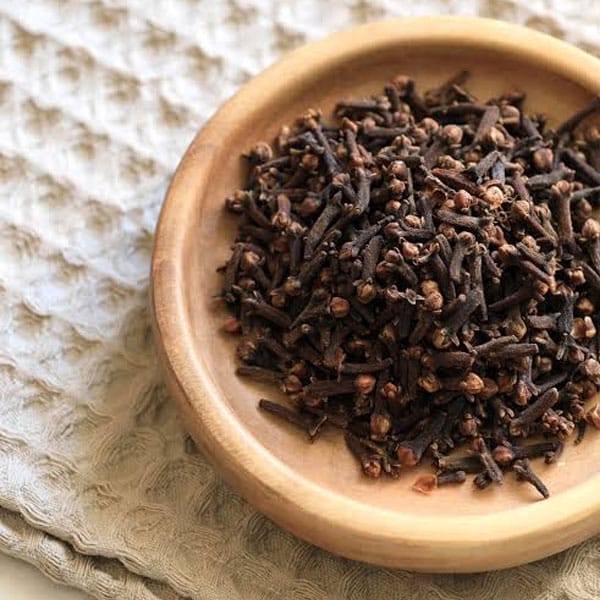
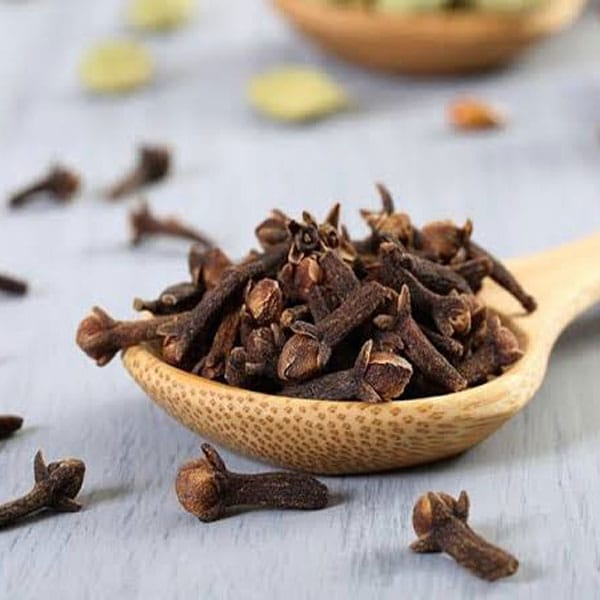
The clove is not there only for taste. Cloves are rich in eugenol, the same compound dentists have used for generations as a mild numbing agent. In a cigarette, eugenol can soften the harshness of the smoke on the throat, which is one reason people find kretek smoother to inhale than its appearance suggests. That smoothness is also one reason public health researchers pay close attention to it, and we will return to that below.
A Brief History: From Chest Balm to National Industry
The most repeated origin story belongs to Kudus, a town in Central Java, in the late nineteenth century. A man known as Haji Djamhari, suffering from chest pain, reportedly rubbed clove oil on himself and found relief, then had the idea of rolling clove buds into his tobacco so he could breathe the remedy in. Whether or not every detail is true, the tale endures because it captures the product’s original promise: a smoke that doubled as medicine.
What began as a local curiosity became an industry in the early twentieth century, when entrepreneurs in Kudus, most famously Nitisemito with his Bal Tiga brand, began producing kretek on a commercial scale. From there the business spread across Java, and the names that dominate the market today, Djarum, Gudang Garam, Sampoerna and Bentoel among them, grew out of that tradition. Sampoerna and Bentoel have since come under the ownership of multinational tobacco groups, yet the cigarettes themselves remain unmistakably Indonesian.
How a Kretek Is Made
There are two broad worlds inside the kretek business. The first is the machine-made kretek, produced in enormous factories at high speed. The second, and the one many visitors find more memorable, is the hand-rolled kretek, known as sigaret kretek tangan. In these factories rows of workers, the great majority of them women, sit shoulder to shoulder and roll hundreds of cigarettes an hour with a dexterity that looks almost like a performance. Watching a roller scoop up a measure of tobacco and clove blend, shape it in the paper and trim the end in a single flowing motion tells you more about the industry’s human scale than any statistic can.
Behind those rolling tables sits a long chain of labor: tobacco farmers in Java, Madura and Lombok, clove pickers who climb tall trees to harvest the unopened flower buds by hand, and the drying yards where the buds turn from pink to the familiar dark brown. Millions of livelihoods, directly and indirectly, depend on this chain, which is exactly why kretek is a political subject as much as a consumer product, and why excise taxes on it are a significant source of government revenue.
Why Kretek Eats the Clove Harvest
Here is the part that surprises most people. Indonesia is the world’s largest producer of cloves, and it is also the world’s largest consumer of them. The overwhelming majority of the cloves grown in the archipelago, commonly estimated at around nine-tenths, never become a spice rack ingredient or a bottle of essential oil. They go into cigarettes.

what is kretek clove cigarette
This creates an unusual kind of supply and demand. In a good harvest year the country has more cloves than its factories need, and prices soften. In a poor year the crop falls short, and Indonesia has been known to import cloves from places such as Madagascar, Tanzania and the Comoros just to keep the production lines running. A country that is the home of the clove, the original “Spice Islands” crop of Maluku that European powers once fought wars to control, sometimes buys cloves from abroad to feed its own cigarette habit.
The same pull explains something that puzzles many cooks and traders: if Indonesia grows so many cloves, why do so few appear on the world market? The short answer is that the domestic kretek industry gets first call on the crop. We unpack that dynamic in more detail in our piece on why Indonesia exports so few, and if you want the botany, flavor chemistry and culinary history of the spice itself, you can find it in the clove record.
The Culture Around the Smoke
In much of Indonesia kretek is not a niche product but an everyday social object. It is offered at gatherings, shared at roadside stalls and associated with conversation, coffee and long evenings. Smoking rates among adult men in Indonesia are among the highest in the world, and for decades tobacco advertising has been unusually visible, with sponsorships of music festivals and sporting events becoming part of the country’s pop culture. Indonesia is also one of the few countries that has not joined the World Health Organization’s tobacco control treaty, a fact that often comes up in discussions of why regulation has moved more slowly there than elsewhere.
If you travel to Indonesia, you will notice that the experience of kretek is very much a sensory one. The aroma lingers on clothes and in rooms, and many people say it smells like a mixture of sweet spice and burnt caramel. Travelers who encounter it for the first time often describe it as something between a holiday baking smell and an old apothecary shop, which is exactly the tension that makes it so recognizable.
Why the United States Banned Kretek in 2009
In 2009 the United States passed a law that prohibited cigarettes containing characteristic flavors such as candy, fruit and clove, with menthol notably left out. The intention was to remove products considered especially appealing to young people, and kretek, with its sweet and spicy character, fell inside the ban.
For Indonesia the decision felt personal, because the United States had been a small but symbolic export market for its signature product. Indonesia took the matter to the World Trade Organization, arguing that banning clove cigarettes while allowing menthol cigarettes was discriminatory, since the domestic menthol market was dominated by American producers. A WTO panel and then its Appellate Body agreed with Indonesia’s central argument in 2012, and the dispute stretched on for years afterward as the two countries negotiated what should follow. The case remains a frequently cited example of how public health policy and international trade law can collide.
what is kretek clove cigarette
Health, Honestly
Describing kretek honestly means saying clearly what the evidence shows. Clove cigarettes are tobacco products, and they carry the same core risks as other cigarettes, including lung disease, heart disease and cancer. Some laboratory analyses have found that kretek can deliver higher levels of tar, nicotine and carbon monoxide than typical cigarettes, and the numbing effect of eugenol may encourage deeper inhalation. The old belief that cloves make the smoke a form of medicine has not been supported by modern medicine. If you are curious about kretek as a cultural object, that curiosity does not have to extend to smoking it.
The kretek is more than a cigarette with a spice in it. It is a century-old industry that shapes farm incomes in Maluku and Java, sets the rhythm of the world clove market, shows up in a landmark trade dispute and sits at the center of a lasting debate over culture, commerce and public health. To understand the clove you buy in a jar at the supermarket, it helps to understand the cigarette that claims most of the harvest before it ever leaves the islands.
Records mentioned in this article

Frequently Asked Questions
Chopped tobacco, dried clove buds and flavoring sauces, wrapped in paper, usually with a filter on machine-made versions.
The name imitates the crackling sound the cloves make as they burn.
In everyday English the terms are used interchangeably, although "kretek" specifically refers to the Indonesian tradition and its particular blends.