If you have ever pressed a whole clove into an orange, simmered a few in a pot of chai, or felt that numbing warmth on your tongue after biting one by accident, you have probably wondered where do cloves originally come from. The answer is smaller and stranger than most people expect: for thousands of years, every clove in the world came from just five volcanic islands in the Maluku archipelago of eastern Indonesia. Those islands are Ternate, Tidore, Moti, Makian and Bacan. If you want the short, sourced version of that story before reading on, you can find it in the clove record, and what follows is the longer, more human version of how a dried flower bud from a few specks of land shaped trade, empires and kitchens around the planet.
Where do cloves originally come from? The short answer
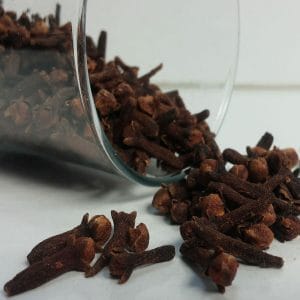
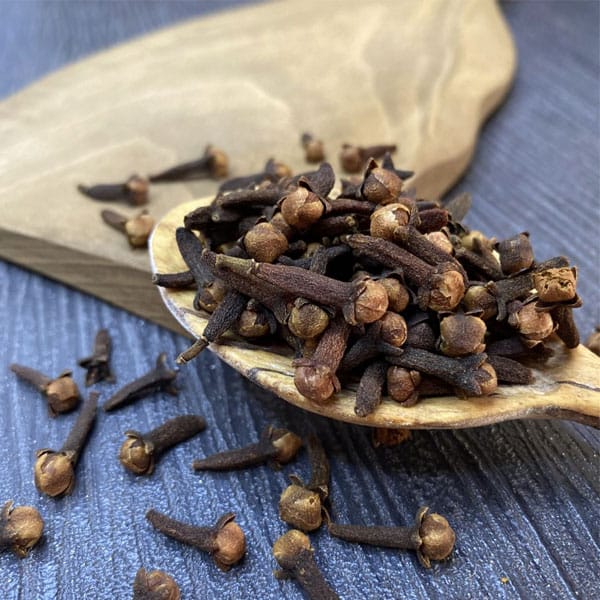
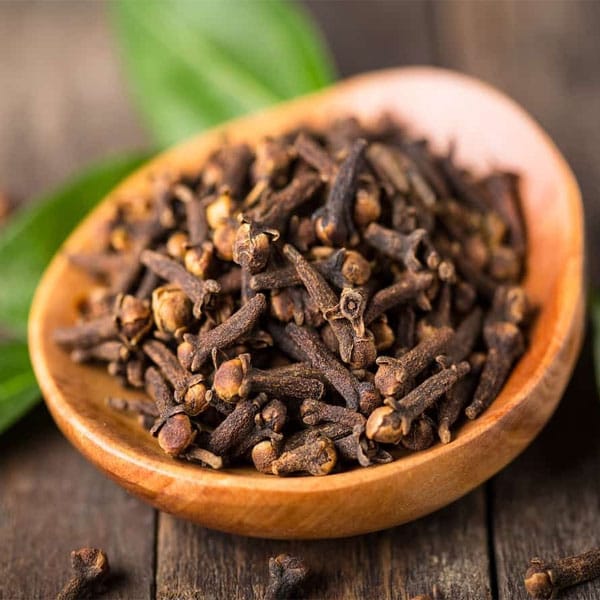
Cloves are the dried, unopened flower buds of an evergreen tree called Syzygium aromaticum. The tree is native to the northern Moluccas, which European sailors once called the Spice Islands. Specifically, the original clove-growing homeland is a chain of five small islands strung along the western coast of Halmahera. They sit almost exactly on the equator, between Sulawesi and New Guinea.
Not “mostly” there, and not “famously” there. For most of recorded history, cloves grew naturally nowhere else. That is what makes the story so different from pepper or cinnamon, which had wider homelands. Cloves were a true monopoly of geography.
where do cloves originally come from
[MAP PLACEHOLDER: The Five Clove Islands]
Insert your map here. Suggested alt text: “Map of the five original clove islands of Maluku, Indonesia: Ternate, Tidore, Moti, Makian and Bacan, west of Halmahera.”
A good map for this article marks the five islands as a close cluster, with Halmahera to the east and Sulawesi to the west. Add a small inset of Indonesia so readers can see how remote the spot really is. Keep the caption simple: “The five clove islands of North Maluku, the only place cloves grew until the 1700s.”
Meet the five islands, one by one
It is easy to say “five islands” and move on, but each one has its own character, and travelers and historians still describe them differently.
Ternate. The most famous of the five, Ternate is basically one steep volcano, Gamalama, rising straight out of the sea. For centuries it was the seat of a powerful sultanate, and its coastal forts, built and fought over by Portuguese, Spanish and Dutch forces, still stand. Locals will take you to ancient clove trees on the volcano’s slopes, said to be centuries old. Standing under one is a surprisingly emotional experience: the air smells faintly sweet and medicinal at once.
Tidore. Just across a narrow strait from Ternate, Tidore was its great rival. The two sultanates spent generations competing for influence, alliances and the clove harvest. Tidore is quieter today, with a conical volcano of its own and a slower pace of life. Ask anyone there about the old rivalry and you will quickly learn it is not entirely over.
Moti. The smallest of the five, Moti is a tiny volcanic island between Ternate and Makian. It is easy to overlook on a map, yet in the old accounts it appears again and again as a clove-producing island worth controlling. Its size is the point: this was a trade that could be won or lost over a speck of land.
Makian. A taller, rugged island dominated by an active volcano, Makian was a rich source of cloves in earlier centuries. Its history is shaped by eruptions, and its people have been displaced and resettled more than once because of them. That tells you something important about clove country: this is beautiful land, but it is also restless land.
Bacan. Larger and further south than the others, Bacan has its own sultanate and a more spread-out landscape of forests and coastline. It rounds out the five and is often the island travelers reach last, which means it is also the least crowded.
Remember them as two pairs plus one, with Ternate and Tidore as the famous rivals, Moti and Makian as the small neighbors, and Bacan as the larger island to the south. That memory trick helps when you try to place them on a map.
where do cloves originally come from
The spice trade began about 1500 years before the common era
Here is the detail that surprises most readers. Cloves were not a medieval discovery. Archaeologists have found evidence of cloves far from the Moluccas at sites dating to roughly the second millennium before the common era, including a famous find in a ceramic vessel at Terqa in Syria. That means that around 1500 BCE or earlier, a dried flower bud from an island chain thousands of kilometers away was already traveling across seas, deserts and markets to reach people who had never seen the tree.
Think about what that required. Cloves moved hand to hand through Southeast Asian sailors, Indian merchants, Arab traders and Mediterranean buyers, with each link in the chain adding its own markup and its own story. By the time a clove reached a Roman kitchen or a Chinese court, it had passed through dozens of hands, and almost nobody along the way could say where it came from. Chinese court records even describe officials in the Han era holding cloves in their mouths to sweeten their breath before speaking to the emperor. In other words, cloves were one of the oldest goods ever carried along the great trade routes, and one of the best-kept secrets of their origin.
Why cloves were worth more than people could imagine
Cloves were valued for three reasons, and they still are.
First, flavor. The warm, sharp, slightly sweet taste comes largely from eugenol, the same compound that gives the spice its numbing effect.
Second, preservation and medicine. In an age without refrigeration, strong aromatic spices were prized for covering the smell of aging food and for traditional remedies, especially for tooth pain.
Third, scarcity. When only a handful of tiny islands can grow a crop, the price climbs with every border it crosses. At the height of the trade, cloves were worth enough to launch fleets.
where do cloves originally come from
How the secret finally broke
The monopoly lasted until Europeans arrived. The Portuguese reached Ternate in the early 1500s, and the Spanish, English and Dutch quickly followed. The Dutch East India Company eventually tried to control the supply by concentrating cultivation on a few islands and destroying trees elsewhere, a harsh policy that devastated local communities.
But you cannot keep a tree secret forever. In the 1770s, the French horticulturist Pierre Poivre smuggled clove seedlings out of the region and into Mauritius, and from there the tree reached other tropical places. Later, cloves were established in Zanzibar and Pemba, which became major producers for a long time. Today clove production is spread across Indonesia, Madagascar, Tanzania and a few other countries. Ironically, Indonesia now consumes most of its own cloves, mainly for the clove-flavored cigarettes called kretek.
What this means when you buy and cook with cloves
Knowing the origin is not just trivia. It changes how you shop and cook, and a few practical habits make a real difference.
Buy whole cloves, not ground. Whole cloves protect their oils for much longer. Ground cloves lose their punch quickly, so you often end up using more and getting less flavor.
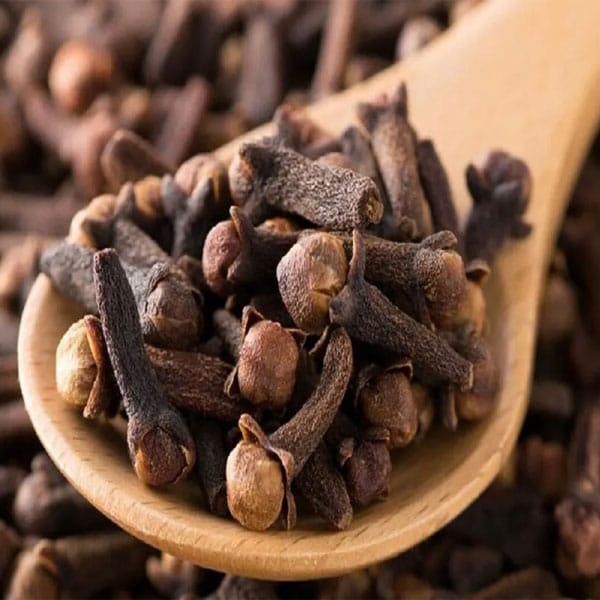
Do the fingernail test. Press a clove bud with your nail. A fresh one releases a tiny bead of aromatic oil. If it feels dry and smells faint, it is old.
Try the water test. Drop a few cloves into a glass of water. Fresh, oil-rich ones tend to sink or hang upright, while stale ones float flat.
Use them sparingly. Cloves are intense. One or two whole buds are plenty for a pot of rice, a braise or a mulled drink. Remove them before serving, because biting into one is not a pleasant surprise.
Store them well. Keep them in a sealed jar, away from heat and sunlight. A cupboard far from the stove works much better than a rack above it.
Pair them thoughtfully. Cloves love cinnamon, nutmeg, star anise, orange peel, apples, pork, and slow-cooked meat. A small amount in an apple pie or a pot of lentils brings a depth people rarely identify but always notice.
where do cloves originally come from
Visiting the clove islands today
If you ever want to see the source yourself, the northern Moluccas are reachable but not effortless. Ternate is the usual gateway, with flights from larger Indonesian cities and ferries to nearby islands. The best time to go is during the dry months, when seas are calmer and clove harvesting and drying are easier to see. Walk through a village during harvest and you will notice buds spread on mats and tarps to dry in the sun, turning from pale pink to the deep brown we recognize. The smell lingers in the streets.
Go slowly. Talk to the growers if you can. Many families have worked these trees for generations, and their stories add far more than any guidebook entry.
Five small volcanic islands, a tree most people will never see, and a flower bud that crossed the ancient world long before anyone could point to it on a map: that is the real answer to where cloves come from. The next time you drop one into a pot, remember how far it traveled to get there. And if you want the sourced origin summary, it is waiting in the clove record.
Records mentioned in this article

Frequently Asked Questions
Cloves come from the North Maluku islands of Indonesia, specifically Ternate, Tidore, Moti, Makian and Bacan.
The five islands are Ternate, Tidore, Moti, Makian and Bacan, all in eastern Indonesia west of Halmahera.
Evidence suggests cloves were traded across great distances from around 1500 BCE, making them one of the oldest spices on the world's trade routes.