If you have ever stood in a spice aisle wondering why a jar says “Ceylon” about a country that doesn’t appear on any modern map, you are not alone. The answer sits at the crossroads of history, trade, and what actually ends up in your kitchen. Here is the full story, plus a few practical tricks I use whenever I buy cinnamon.
The island that gave the spice its name
Cinnamon grows natively in Sri Lanka, and for much of history this island was the world’s main source of it. Portuguese traders arrived in the early 1500s and called the island Ceilão. The Dutch took control in the 1600s and then the British in 1796, and the English form, Ceylon, stuck for generations.
Through all of those centuries, cinnamon was one of the island’s most valuable exports. If you want the full backstory of how empires fought over it, the trade that made the name covers it in depth. For now, the key point is simple: buyers in Europe, the Middle East, and beyond learned to ask for cinnamon “from Ceylon” long before anyone labeled spices with brands.
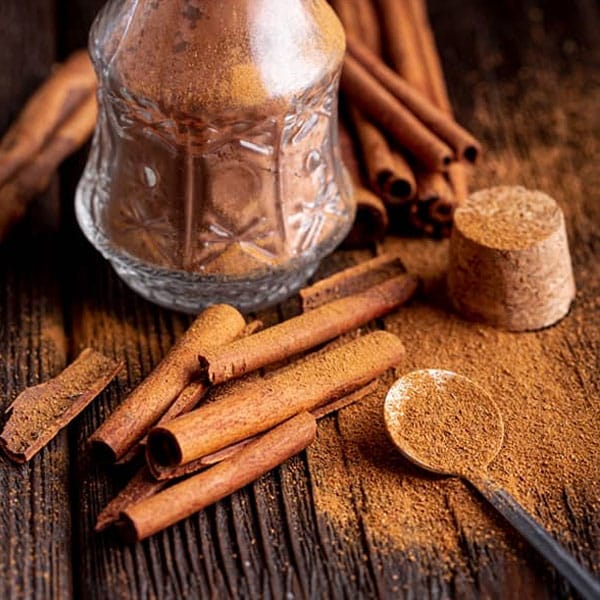
why is it called ceylon cinnamon
What changed in 1972
Ceylon became independent in 1948, and in 1972 it was renamed the Republic of Sri Lanka. The old name disappeared from passports, stamps, and maps.
It did not disappear from the spice trade. By then, “Ceylon cinnamon” was already an established product name, recognized by importers, chefs, and shoppers worldwide. Dropping it would have meant starting from zero, so producers kept it. The same thing happened with Ceylon tea, which is still sold under that name today.
Why the old name still matters
A trade name survives because it carries information. “Ceylon” on a cinnamon label tells you three things:
Origin. The spice was grown in Sri Lanka, mostly along the southern coast, where the climate and soil suit the tree.
Species. It is Cinnamomum verum, the species the island is known for. The word verum means “true,” which is where true cinnamon comes in as a term, and it is worth reading how it differs from its cheaper relatives.
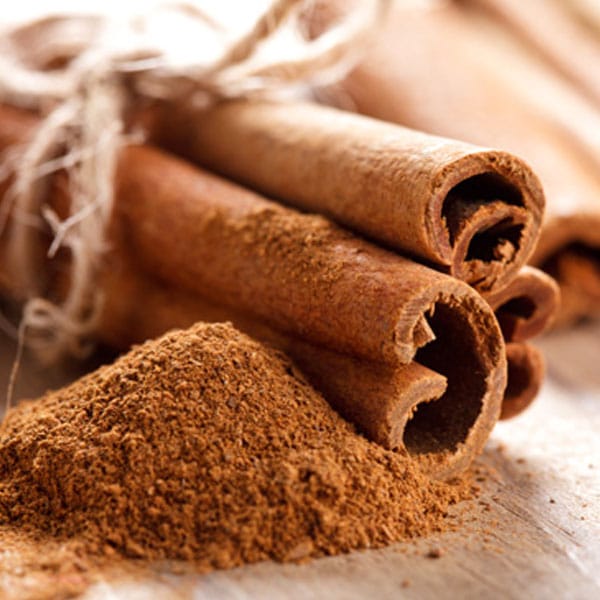
Method. Harvesters peel the inner bark by hand and let it dry into thin, layered quills, a craft passed down through families.
In recent years, Sri Lankan cinnamon has also gained recognition as a protected geographical product, which backs up the idea that the name is a promise about origin and not just nostalgia.
How to tell real Ceylon cinnamon in your kitchen
Here is what actually works when you are standing in a shop or at home:
Read the Latin name. Look for Cinnamomum verum on the label. If it only says “cinnamon,” it is almost certainly cassia.
Look at the sticks. Ceylon sticks are made of thin, papery layers rolled together. Cassia is a single thick curl.
Break one. Ceylon snaps easily and crumbles. Cassia is hard and tough to break by hand.
Smell it. Ceylon smells soft and floral-sweet. Cassia hits you with heat.
Check the price. Real Ceylon costs more because it takes more labor. A suspiciously cheap “Ceylon” jar deserves a second look.
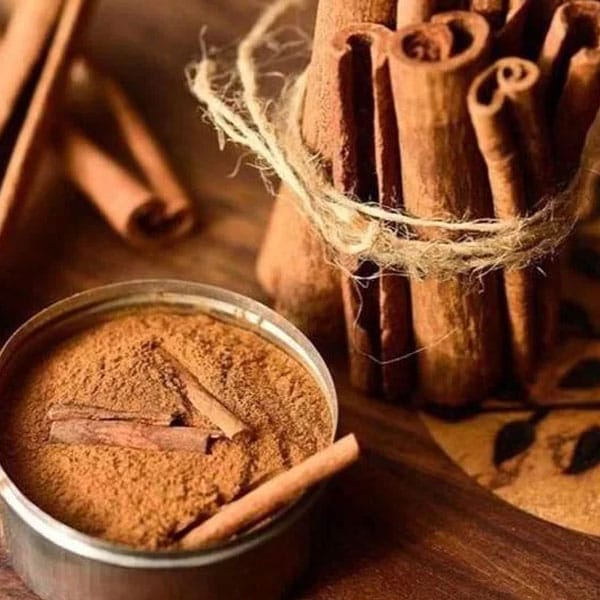
why is it called ceylon cinnamon
Ground cinnamon is harder to judge. Buy from sellers who state the species and origin clearly, or buy sticks and grind them yourself.
If you want to see how a documented origin looks in practice, the cinnamon record shows what a traceable source can tell you.
How I use each type
Ceylon is wonderful in places where subtlety matters: custards, rice pudding, light baking, tea, and fruit. It melts into a dish without overpowering it. Cassia works better in dishes that need strong heat, like cinnamon rolls, spiced stews, or Mexican-style hot chocolate. Neither is “wrong.” You are simply choosing the right tool, and knowing which one you hold lets you cook with intention.
Records mentioned in this article

Frequently Asked Questions
Yes. Ceylon is the old name for Sri Lanka, so both terms describe the same product.
Some sellers do, and you will see both. But "Ceylon" is the name buyers recognize worldwide, so it remains the standard trade term.
It is called true cinnamon because it is the species Cinnamomum verum. Cassia is a related spice that is also sold as cinnamon, but it is a different plant.