Have you ever enjoyed a slice of cake or a scoop of ice cream, only to feel a scratchy throat, a mild stomach ache, or a sudden skin breakout shortly after? Because vanilla is the backbone of almost all sweet treats, it is often one of the first ingredients people suspect when they experience an unexpected reaction. But how common is a true vanilla allergy?
If you are looking for hard medical data, you might be surprised by how little is out there. As sourcing experts who spend our days analyzing agricultural products, we dive deep into the facts. Here is what current medical evidence actually shows about vanilla allergies, intolerances, and what might really be causing your symptoms.
Disclaimer: This article explores current nutritional and dermatological evidence for informational purposes only. It is not intended to diagnose, treat, or manage any medical condition. If you suspect you have a food allergy, always consult a board-certified allergist for proper testing and diagnosis.
The Medical Reality of a Vanilla Allergy
When allergists talk about food allergies, they are usually referring to an IgE-mediated immune response—the kind that triggers hives, swelling, or anaphylaxis.
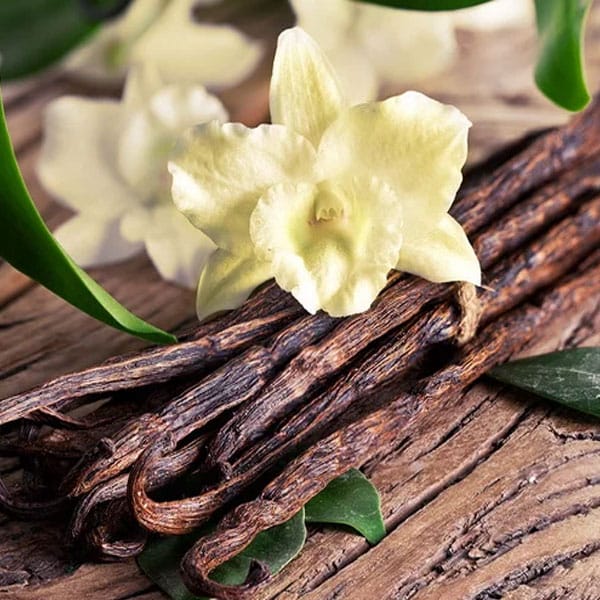
vanilla allergy
According to medical literature, a true, systemic food allergy to vanilla is exceedingly rare. In fact, documented clinical cases of severe allergic reactions to eating pure vanilla are so scarce that they barely register in major food allergy databases. When people report a “vanilla allergy” after eating baked goods, the culprit is almost always another heavily allergenic ingredient hiding in the same food. Eggs, dairy, wheat, soy, and tree nuts are standard companions to vanilla in recipes, and they are responsible for the vast majority of food-based allergic reactions.
However, saying a true food allergy is rare does not mean vanilla cannot cause reactions. Medical science points to two specific areas where vanilla does trigger the immune system: occupational exposure and contact dermatitis.
Vanillism and Skin Sensitivities
The most well-documented medical evidence regarding vanilla reactions does not come from eating it, but from touching it.
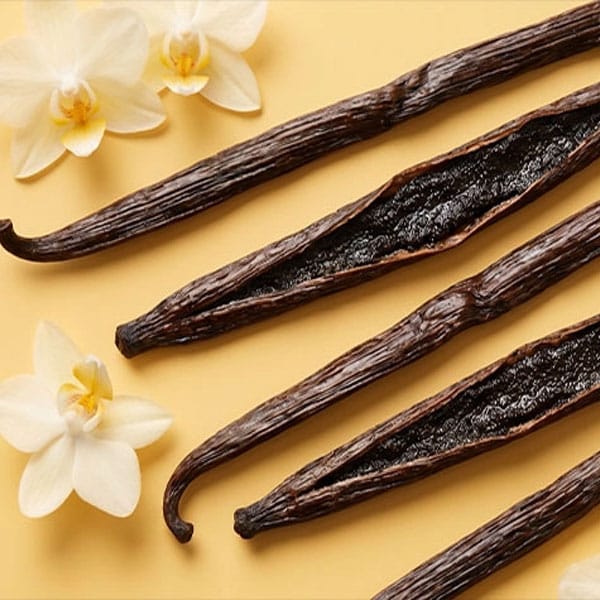
Workers who harvest, cure, and handle raw vanilla beans sometimes develop an occupational skin condition historically known as “vanillism.” This presents as allergic contact dermatitis—itchy, red, and inflamed skin—caused by prolonged physical contact with the naturally occurring oils and compounds in the vanilla pods, specifically calcium oxalate crystals and natural vanillin.
For the average consumer, this means that applying vanilla-scented perfumes, lotions, or essential oils directly to the skin is far more likely to cause an allergic reaction than eating a vanilla cookie. If you have sensitive skin or a known allergy to Balsam of Peru (a common fragrance allergen that cross-reacts with vanillin), dermatologists often recommend avoiding topical products containing natural or synthetic vanilla.
Is It the Vanilla, or Is It the Extract?
If you consistently experience mild discomfort—such as digestive upset or a mild headache—after consuming vanilla-flavored foods, you might be dealing with a food intolerance or a reaction to the carrier ingredients used in commercial extracts.
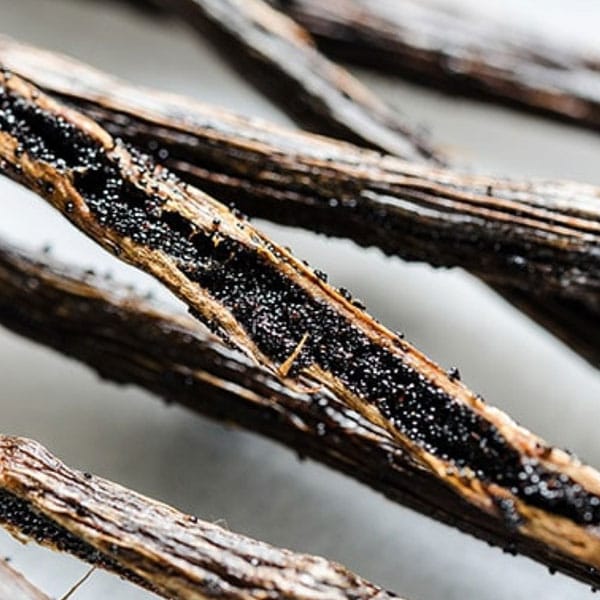
vanilla allergy
To understand this, we have to look at how vanilla extract is made. By regulatory definition, pure vanilla extract must contain a significant amount of alcohol to extract the flavor compounds from the beans. In many cases, this is a minimum of 35% alcohol by volume. For individuals with high sensitivities, histamine intolerances, or specific dietary restrictions, this raw alcohol content can cause mild physiological reactions that mimic an allergy.
If you are a parent or expecting mother navigating these specific sensitivities, you might want to look closer at the alcohol in vanilla extract, particularly concerning children and pregnancy to understand how much residual alcohol actually remains in your food after cooking or baking.
Synthetic Vanillin vs. Pure Vanilla
Another major piece of the puzzle is the difference between real vanilla and synthetic imitation vanilla.
Because cultivating orchids and hand-pollinating flowers is incredibly labor-intensive, less than 1% of the total global market for vanilla flavor actually comes from real vanilla beans. If you want to understand the rigorous journey of the real spice, you can explore [our comprehensive guide to vanilla origins.
The other 99% of “vanilla” consumed worldwide is synthetic vanillin. This imitation flavor is chemically synthesized from petrochemicals, wood pulp byproducts (lignin), or clove oil. Commercial imitation vanilla extracts are also loaded with artificial caramel coloring, synthetic preservatives, and corn syrup.
When medical professionals evaluate patients complaining of food-induced headaches or mild rashes after eating “vanilla” products, they often find that the patient is actually reacting to synthetic food dyes, petroleum-derived chemical flavorings, or the corn-based carriers used in imitation extracts, rather than the vanilla orchid itself.
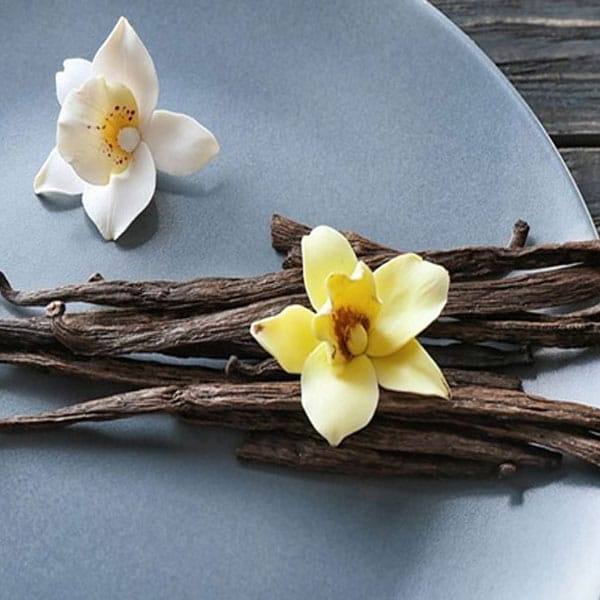
vanilla allergy
What to Do If You Suspect a Sensitivity
If you believe you are reacting to vanilla, the most practical approach is elimination and observation, guided by a medical professional.
Check the Ingredients: Were you eating a commercial pastry? Look for hidden allergens like dairy, soy lecithin, or nuts.
Examine Your Extract: Are you using pure vanilla extract or imitation vanilla? Upgrading to real, high-quality vanilla beans or extracts can immediately eliminate synthetic dyes and chemical byproducts from your diet.
Consider the Medium: If you suspect the alcohol in the extract is bothering you, you can switch to alcohol-free
vanilla flavorings (which use vegetable glycerin) or use pure, scraped vanilla bean paste.
Ultimately, while a true, life-threatening vanilla allergy from ingestion is a medical rarity, skin sensitivities and intolerances to commercial vanilla products are entirely valid. By understanding the difference between synthetic chemicals, alcohol carriers, and the pure spice itself, you can make smarter, safer choices for your pantry.
Reference:
https://www.ncbi.nlm.nih.gov/pmc/articles/PMC13511624/
Records mentioned in this article

Frequently Asked Questions
True allergies are immune responses to proteins, so you cannot be medically “allergic” to a smell. However, strong fragrances—including synthetic vanilla candles or perfumes—can trigger non-allergic rhinitis, headaches, or asthma symptoms. This is a chemical sensitivity or respiratory irritation, not an IgE-mediated allergy.
Not necessarily a food allergy, but there is a strong cross-reactivity for skin conditions. Balsam of Peru and vanilla share similar aromatic compounds (like vanillin). Dermatologists often advise patients with a Balsam of Peru contact allergy to avoid using vanilla-scented lotions, lip balms, or perfumes, as they can trigger an itchy rash.
Because baked goods contain dozens of potential allergens, the only safe and definitive way to pinpoint the trigger is to visit a board-certified allergist. They can perform specialized skin-prick tests or blood tests for common allergens (like dairy, wheat, and eggs) and determine if your reaction was genuinely caused by the vanilla or a more common food allergen. Never attempt to test severe allergic reactions at home.