If you are standing in the middle of preparing a delicate crème anglaise, a holiday cake, or a batch of shortbread and realize you don’t have a plump vanilla bean in your pantry, you don’t need to scrap your dessert. You can substitute pure vanilla extract with total confidence—provided you understand how the swap actually works.
Here is the direct rule of thumb used by pastry chefs and commercial kitchens alike:
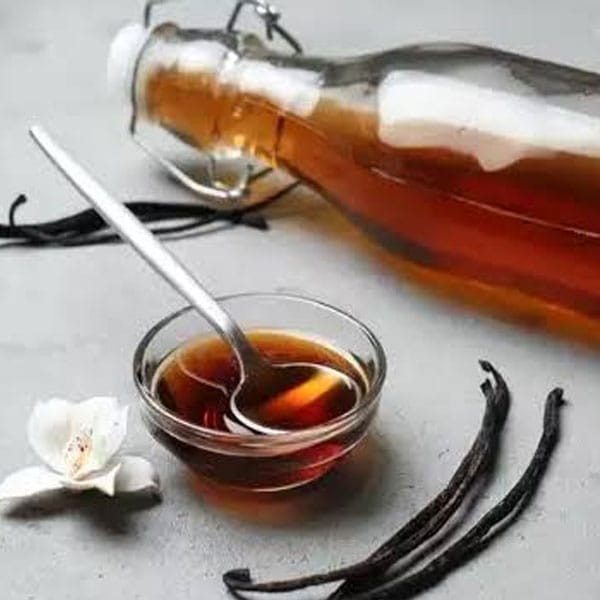
1 whole vanilla pod equals approximately 1 tablespoon (15 ml / 3 teaspoons) of pure single-fold vanilla extract.
However, before you pour that extract into your mixing bowl, there is an important culinary nuance you need to know: this conversion ratio is a practical kitchen convention, not an exact scientific measurement.
Quick Conversion Reference
| Vanilla Format | Equivalent to 1 Whole Bean | Best Culinary Application |
|---|---|---|
| Pure Vanilla Extract | 1 tablespoon (3 tsp / 15 ml) | Baked goods, batters, everyday cookies, and cakes |
| Vanilla Bean Paste | 1 tablespoon (15 ml) | Custards, glazes, and ice cream (gives visible flecks) |
| Ground Vanilla Powder | ½ to 1 teaspoon (pure, unsweetened) | Dry mixes, meringues, and high-heat candy making |
| Commercial Vanilla Sugar | 1 to 2 tablespoons | Sweetened whip creams, beverage dusting, and simple tea cakes |
Why the 1:1 Tablespoon Ratio Is a Convention, Not a Law
In baking chemistry, we love precision. We weigh flour in grams and measure water by volume. But real agricultural vanilla defies rigid formulas.
When you look into the origin and cultivation of real vanilla beans, you see that each pod is an organic, hand-cured spice pod subject to wide natural variation:
Pod Length and Moisture Content: A premium Grade A Madagascar bourbon bean can stretch between 16 and 20 centimeters, loaded with oily, aromatic seeds (often called “caviar”) and retaining around 30% to 35% moisture. In contrast, an average grocery store bean might only measure 12 to 14 centimeters and feel noticeably drier. One large, juicy bean holds almost double the seed mass of an undersized, dehydrated one.
Standardization of Extract: Pure single-fold vanilla extract is strictly regulated (by standard standards, requiring 13.35 ounces of vanilla beans per gallon of at least 35% ethyl alcohol). The extract represents a blend of hundreds of beans steeped over months to produce a consistent, uniform baseline profile.
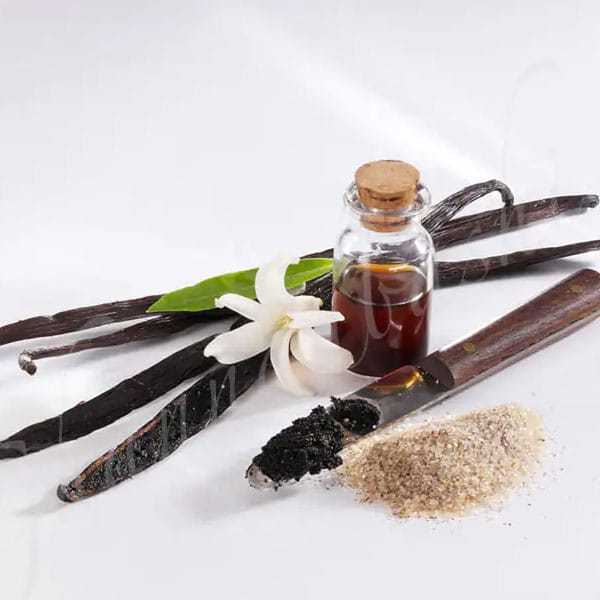
how much vanilla extract equals one bean
Aromatics vs. Pure Vanillin: A whole pod contains over 250 volatile flavor compounds, including natural resins and floral notes. In extract, the carrier alcohol captures these compounds, but delicate high notes can evaporate during prolonged oven baking.
Treating 1 tablespoon of extract as equal to 1 bean gives you a reliable sensory balance, but tasting your batter or base and adjusting slightly is where true kitchen skill comes in.
What Changes When You Swap?
Substituting extract for a bean is completely fine in 90% of baking, but two key elements change:
The Visual Flecks: A scraped bean yields thousands of tiny black seeds that suspend beautifully in pale desserts like panna cotta, crème brûlée, pastry cream, or artisan vanilla ice cream. Pure extract delivers the flavor, but leaves the dish visually plain.
The Liquid Factor: If a delicate candy or meringue recipe specifically calls for dry bean caviar to keep moisture near zero, adding 15 ml of alcohol-based liquid can alter setting properties slightly.
If you do have whole pods on hand, knowing the proper technique for splitting and scraping a vanilla bean ensures you extract every microgram of paste without tearing the fibrous skin or wasting seeds on your cutting board.
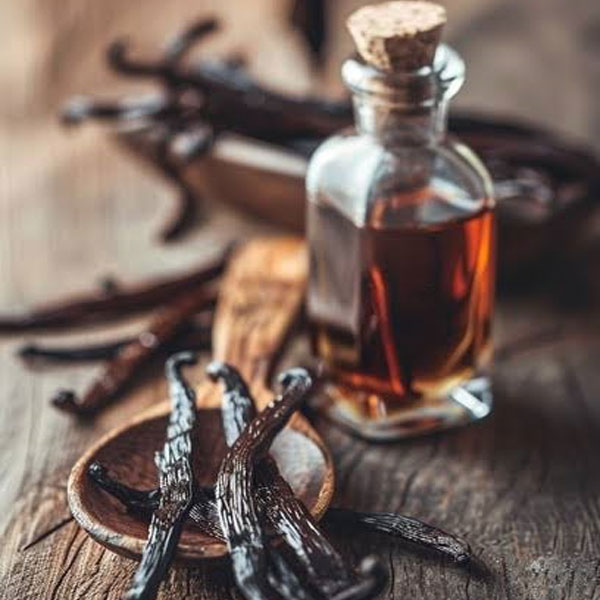
how much vanilla extract equals one bean
Practical Kitchen Rules for the Substitution
If your recipe cooks low and slow (like infused milk or custard): Whole pods shine here because warm dairy draws out deep aromatic fats. If using extract instead, stir it in at the very end of cooking after removing the pan from the burner. This keeps the alcohol from boiling off prematurely and taking the aroma with it.
If your recipe bakes at high heat (cookies, pound cakes): Extract is actually more practical and cost-effective than whole pods, as the nuance of high-end bean caviar can be masked by browned butter and flour.
Don’t toss spent pods: Even if you decide to use extract today, drop any previously used dry pods directly into a jar of granulated sugar or a bottle of plain vodka to create continuous pantry staples.
In short, one whole vanilla pod equals approximately 1 tablespoon (15 ml / 3 teaspoons) of pure single-fold vanilla extract. Keep this simple ratio in mind, and you can swap between the two in any recipe without losing that rich, aromatic flavor.
Records mentioned in this article
Frequently Asked Questions
Some older cookbooks suggest 1 teaspoon, but modern commercial single-fold extracts are subtle. In blind taste tests, 1 teaspoon often leaves desserts under-flavored compared to a plump bean. 2 to 3 teaspoons (up to 1 tablespoon) provides a much closer flavor intensity.
Imitation vanilla is made with synthetic vanillin and has a sharper, more one-dimensional punch. If using imitation vanilla, start with 1 to 1.5 teaspoons instead of a full tablespoon, as it can leave a medicinal aftertaste if overused.
Vanilla bean paste is the ideal alternative. It blends pure extract with concentrated seed caviar and a natural binder, giving you both the exact 1-tablespoon-per-bean equivalence and the speckled look without needing to scrape a fresh pod.