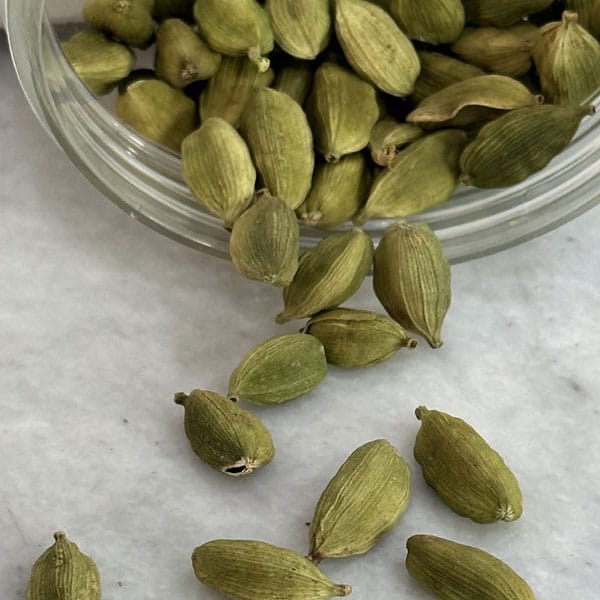
If you’ve ever walked out of a Middle Eastern, Indian, or Scandinavian restaurant feeling surprisingly comfortable after a heavy, rich meal, you have likely experienced the magic of cardamom firsthand. For centuries, chewing a few green pods after dinner has been a cultural staple, not just to freshen breath, but to settle the stomach.
But as we look closer at this premium spice, we have to separate folklore from fact. Does cardamom help with digestion purely based on tradition, or is there real science behind it? And more interestingly for night owls and restless sleepers: does cardamom make you sleepy, or is its nighttime reputation misunderstood?
Drawing on years of sourcing and evaluating authentic cardamom directly from global origins, here is the practical evidence behind using this complex spice for your gut and your rest.
Does Cardamom Help With Digestion? The Evidence
The short answer is a resounding yes. If there is one medicinal claim about cardamom that holds up consistently against both traditional Ayurvedic practices and modern observation, it is its profound effect on the gastrointestinal tract.
does cardamom help with digestion
Cardamom is what herbalists call a carminative—a substance that helps prevent the formation of gas in the gastrointestinal tract or facilitates the expulsion of gas. When you consume a heavy meal, your stomach has to work overtime, often leading to bloating, cramping, and acid reflux.
Here is how cardamom practically steps in to help:
Stimulates Digestive Enzymes: The essential oils in cardamom (like cineole and terpinyl acetate) stimulate the secretion of bile and gastric juices. This helps your body break down complex fats and proteins much faster.
Reduces Spasms and Cramps: If you suffer from a nervous stomach or cramps after eating, cardamom acts as an antispasmodic. A warm cup of cardamom-infused water actively relaxes the stomach muscles.
Combats Nausea: Much like ginger (to which cardamom is botanically related), crushing a few pods and inhaling the scent, or slowly chewing the seeds, is a highly effective, fast-acting remedy for mild nausea.
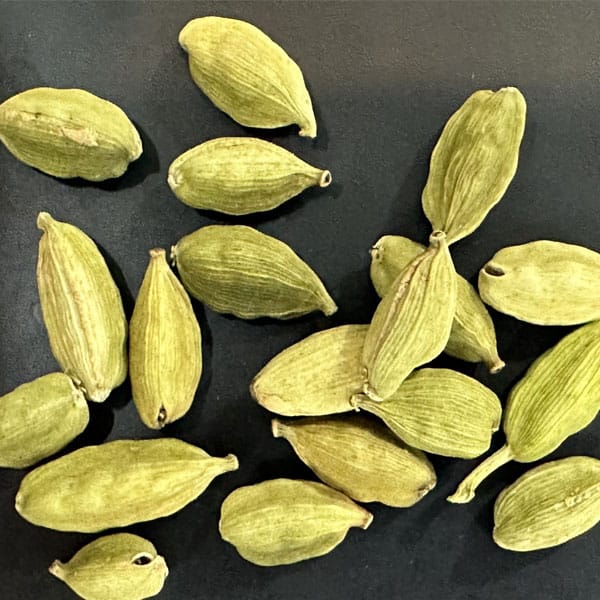
If you want to experience this yourself, don’t rely on stale, pre-ground powder. Crush two whole green pods to expose the black seeds inside, steep them in hot water for ten minutes, and sip it 20 minutes after your heaviest meal.
Does Cardamom Help You Sleep?
This is where the claims often get tangled. Because cardamom is so frequently consumed after dinner, many people assume it acts as a sedative.
So, does cardamom help you sleep? Yes, but indirectly. Cardamom does not contain melatonin, nor does it suppress your central nervous system like Valerian root or chamomile. Instead, cardamom creates the ideal physical conditions for sleep by removing the physical discomforts that keep you awake.
Late-night indigestion, acid reflux, and a heavy, bloated stomach are some of the primary disruptors of deep sleep. By accelerating digestion and soothing the stomach lining, a post-dinner cardamom brew ensures your body isn’t fighting to digest food while you are trying to rest. Furthermore, the warm, slightly sweet, and woody aroma of the spice has been shown to reduce anxiety and lower stress markers, helping your brain transition into a restful state.

does cardamom help with digestion
Does Cardamom Make You Sleepy?
If you are wondering, does cardamom make you sleepy during the day—the answer is no. You won’t feel drowsy or lethargic after drinking a cardamom latte in the morning. It is an adaptogenic-style comfort; it relaxes tension without acting as a depressant.
If you are genuinely struggling with insomnia and are looking for a natural nighttime remedy that actively promotes sleepiness, you might want to look beyond cardamom alone. For instance, you could explore whether combining spices works better, or investigate if drinking saffron tea can help you sleep better at night. Saffron has much more direct, chemically proven interactions with mood and sleep regulation than cardamom does.
Moderation is Key
While cardamom is incredibly safe for everyday culinary use, treating it as a high-dose supplement requires some care. Consuming excessive amounts of concentrated cardamom extract or chewing too many pods daily can occasionally trigger the exact problems you are trying to solve, such as mild stomach irritation or gallbladder triggering.
Before making it a heavy daily habit, especially if you have existing gallstone issues or are pregnant, it is wise to review the potential cardamom side effects to ensure it aligns with your health profile.
Reference:
https://pubmed.ncbi.nlm.nih.gov/18037596
Records mentioned in this article
Frequently Asked Questions
Yes. Chewing the raw seeds of one green cardamom pod or drinking a warm cardamom tea within 20 to 30 minutes after eating stimulates digestive enzymes and can provide rapid relief from bloating and gas.
No, cardamom does not have direct sedative properties that will cause daytime drowsiness. It relieves bodily tension and settles the stomach, making it perfectly safe to consume at work or in the morning without making you feel tired.
Indirectly, yes. While it won’t force your brain to sleep like a sleeping pill, taking cardamom after dinner prevents late-night indigestion, acid reflux, and bloating—allowing your body to relax naturally and achieve uninterrupted, higher-quality sleep.