If you regularly buy premium spices, you have likely experienced the shock of a sudden cardamom price hike. One season, the market seems stable; the next, wholesale costs double, leaving buyers scrambling to adjust their budgets.
As the third most expensive spice in the world, cardamom is notoriously volatile. But these price swings aren’t random. As sourcing experts at OriginAndSource.com, we track the agricultural, economic, and systemic factors that dictate the global spice trade. If you want to understand why the cardamom price per kg can feel like a roller coaster, you have to look directly at the farms, the climate, and the trading floors.
Here is exactly why cardamom prices swing so violently and how you can navigate the market.
1. The Fragility of Micro-Climates
Cardamom is an incredibly sensitive crop. Unlike robust commodities like black pepper or cumin, Elettaria cardamomum requires a highly specific micro-climate: high altitude, consistent rainfall, heavy canopy shade, and rich loamy soil.
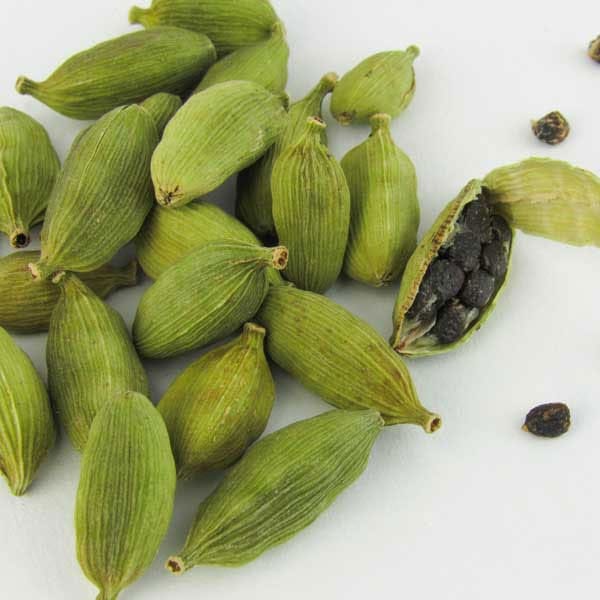
cardamom price fluctuations
Over 80% of the world’s cardamom comes from just two regions: Guatemala (the volume leader) and Kerala, India (the quality leader). Because production is geographically concentrated, a single weather event can derail the entire global supply.
Droughts: A delay in monsoon rains immediately stresses the plant, reducing yield.
Floods: Too much rain causes root rot and fungal diseases (like capsule rot), wiping out entire plantations.
When you look at cardamom price fluctuations, you are almost always looking at a delayed reaction to a weather anomaly in Guatemala or India.
2. The Mechanics of the Trading Floor
Cardamom prices are not fixed by a central authority; they are discovered daily through highly competitive bidding systems.
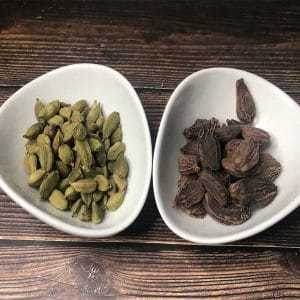
In major hubs like India, registered planters bring their daily harvest to auction centers. Traders visually inspect the lots for color (deep green is premium), size (8mm vs. 6mm), and oil content, then bid in real-time. This system means that even rumors of a bad harvest can trigger panic buying on the auction floor, instantly driving up prices.
To truly grasp how daily prices are set and why they shift hour by hour, we highly recommend reading our detailed breakdown of how the cardamom auction works.
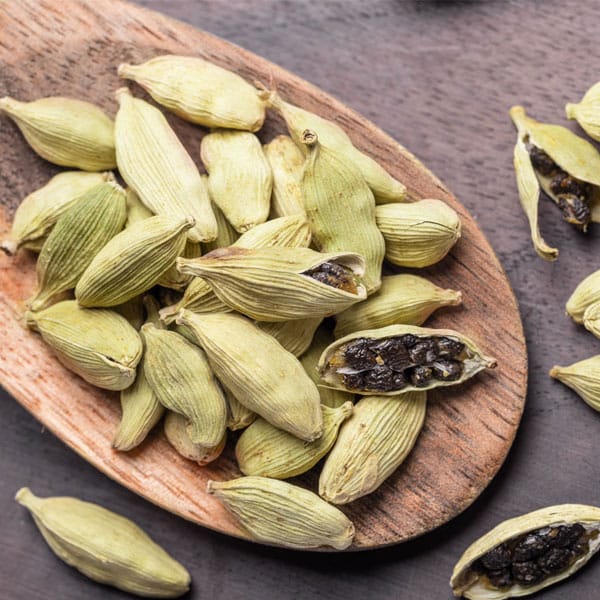
cardamom price fluctuations
3. Analyzing Cardamom Price History: The Cycle of Boom and Bust
If you zoom out and look at a cardamom price chart 10 years in the making, a distinct cyclical pattern emerges.
Typically, a massive cardamom price hike (such as the historic spikes seen in 2019 when massive floods hit Kerala) forces buyers to pay premium rates. These high prices incentivize farmers in Guatemala to plant more cardamom bushes.
However, it takes three years for a new cardamom plant to bear fruit.
By the time these new plants mature, the market is suddenly flooded with excess supply, causing prices to crash. Farmers then abandon or replace their crops because they are no longer profitable, leading to a supply shortage a few years later—and the cycle of volatility repeats. Understanding this cardamom price history is crucial for large-scale buyers trying to time their contracts.
4. Current Market Context and Cardamom Price Forecast
Today, when buyers ask us about the current cardamom price per kg, we have to factor in new variables:
Rising Labor Costs: Cardamom cannot be harvested by machines. Each pod must be hand-picked at the exact moment of ripeness. As agricultural labor becomes more expensive globally, the baseline cost of production rises.
Global Shipping Delays: Freight costs and logistical bottlenecks add a layer of unpredictability to landed costs.
So, what is the cardamom price forecast for the upcoming seasons? While short-term stabilization relies on favorable rains in Guatemala, the long-term trend points toward sustained higher baselines due to climate change making traditional growing regions less predictable. Buyers should expect high-grade (7.5mm to 8mm+) green cardamom to remain a seller’s market.
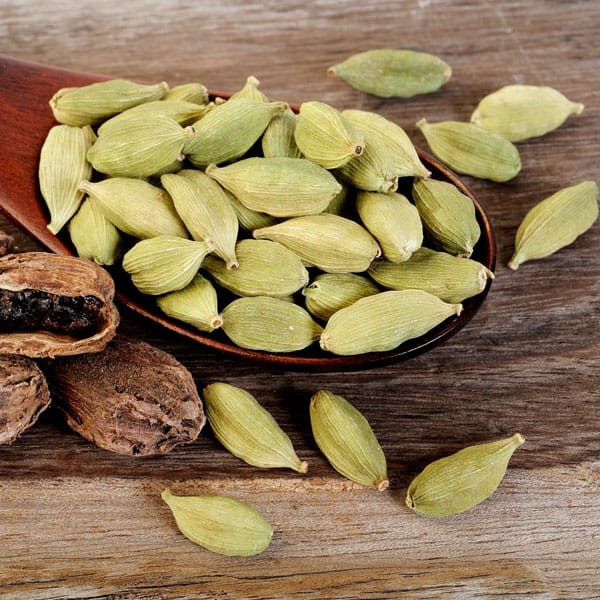
cardamom price fluctuations
How to Buy Smart in a Volatile Market
Dealing with expensive, volatile botanicals requires a strategic approach. The psychology behind buying cardamom is very similar to purchasing other luxury agricultural products. For instance, understanding the nuance of grading and yield is just as critical here as it is when determining the saffron price per gram.
To protect yourself from violent price swings:
Don’t chase the cheapest lot: Artificially cheap cardamom is often old crop, chemically dyed, or stripped of its volatile oils.
Understand Grades: A 6mm pod will always be cheaper than an 8mm jumbo pod. Know exactly what size and color your specific recipe or product requires.
Buy Post-Harvest: Peak supply usually hits the market between October and January (depending on the region). Purchasing during these windows generally offers the most stable pricing.
To explore all commercial grades, origins, and the exact specifications you need to look for before making a purchase, visit our complete resource on cardamom origins and sourcing.
Records mentioned in this article