Let’s be honest: when you are paying a premium price for a spice, you want to make sure you are getting the real deal. Saffron isn't called "Red Gold" for nothing. It takes roughly 75,000 crocus flowers to produce just one pound of saffron spice, which explains why it is so expensive—and sadly, why it is one of the most counterfeited foods in the world.
Saffron at a Glance: Key Facts for Buyers & Businesses
| Category | Details |
|---|---|
| Botanical Name | Crocus sativus L. |
| Primary Origins | Iran (90%), Afghanistan, Spain, Kashmir (India), Greece |
| Active Compounds | Crocin (color), Picrocrocin (flavor), Safranal (aroma) |
| Grading Standards | ISO 3632 (Category I–III based on crocin, picrocrocin, safranal levels) |
| Common Grades | Sargol (all-red threads), Negin (premium long threads), Pushal (red + some yellow) |
| Retail Price Range (2026) | 8– 15/gram (premium), 500 – 500– 3,000/kg (bulk, B2B) |
| Key Quality Indicators | Deep red color, minimal yellow threads, strong aroma, moisture <12%, no additives |
| Shelf Life | 2–3 years (airtight, cool, dark storage) |
| Culinary Uses | Paella, risotto, Persian rice, desserts, teas |
| Health Benefits | Antioxidant, mood support, potential anti-inflammatory properties* |
| Buying Tips for Consumers | Buy threads (not powder), check ISO cert, test 2–3 threads in warm water |
| Sourcing Tips for Businesses | Request lab reports (ISO 3632), verify origin docs, sample before bulk orders |
Saffron at a Glance: Key Facts for Buyers & Businesses. Origin, grades, 2026 prices, and purity checks — the essentials for both home and bulk saffron buyers, in one table. Columns: Category, Details. Botanical Name — Crocus sativus L.. Primary Origins — Iran (90%), Afghanistan, Spain, Kashmir (India), Greece. Active Compounds — Crocin (color), Picrocrocin (flavor), Safranal (aroma). Grading Standards — ISO 3632 (Category I–III based on crocin, picrocrocin, safranal levels). Common Grades — Sargol (all-red threads), Negin (premium long threads), Pushal (red + some yellow). Retail Price Range (2026) — 8– 15/gram (premium), 500 – 500– 3,000/kg (bulk, B2B). Key Quality Indicators — Deep red color, minimal yellow threads, strong aroma, moisture <12%, no additives. Shelf Life — 2–3 years (airtight, cool, dark storage).
Over the years, I’ve seen everything from dyed corn silk to safflower being passed off as authentic saffron. If you don’t know what to look for, it is incredibly easy to get scammed. But don’t worry. Whether you are browsing a spice market on vacation or shopping online, I am going to share my personal, foolproof methods to help you tell if saffron is real or fake before you part with your hard-earned cash.
saffron
Saffron Business and Trade Guide: Explore its origin, purity and market in full detail.
The Visual Inspection: Look for the “Trumpet”
The very first thing you should do is look closely at the threads. Real saffron threads are the stigmas of the Crocus sativus flower.
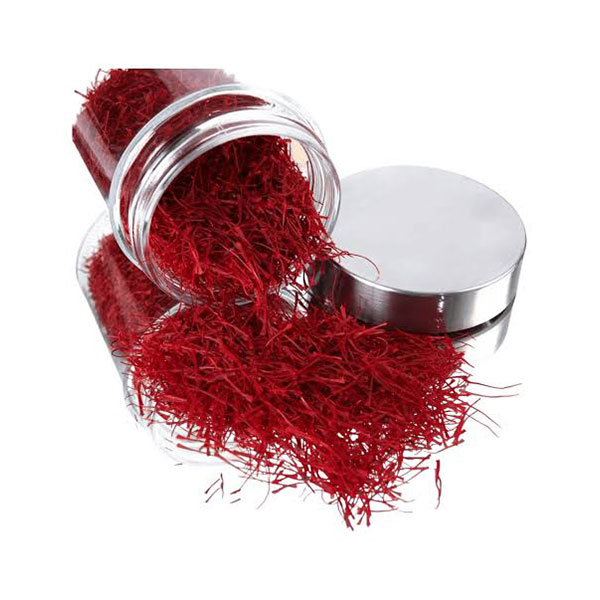
The Shape: Pick up a single thread (or look closely through the jar). Real saffron is shaped like a tiny trumpet or a bowling pin. One end is wider and fluted, while the other end tapers off. If the threads are perfectly uniform cylinders or look like straight hairs, you are likely looking at dyed corn silk or synthetic fibers.
The Color: Authentic saffron is a deep, vibrant crimson red. Sometimes, you might see a slight yellow tint at the very base of the thread (which is natural), but the overall color should be an intense red. However, be careful: fake saffron is often dyed red. This brings us to the next test.
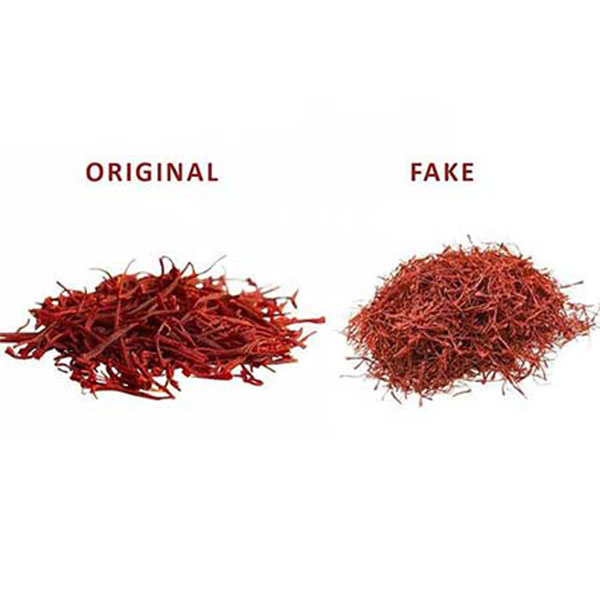
real saffron vs fake saffron
The Sniff and Taste Test: Sweet Smell, Bitter Taste
This is a golden rule in the spice world: Real saffron smells sweet, but it never tastes sweet.
The Aroma: Open the jar and take a deep breath. Genuine saffron has a very distinct, complex aroma. It is often described as a mix of honey, hay, and a slightly metallic or earthy floral scent. If it smells like nothing, or smells overly chemical, put it back.
The Taste: If you can, take one single thread and place it on your tongue. Real saffron has a distinctly bitter, slightly astringent taste. If it tastes sweet, you are chewing on a fake thread that has been coated in a sugary red dye to mimic saffron’s appearance and add weight.
The Cold Water Test (The Ultimate Dealbreaker)
If you already have the saffron at home (or if a vendor is willing to demonstrate), this is the most reliable test you can perform.
1. Take a small glass of cold water.
2. Drop two or three saffron threads into the water.
3. Watch closely.
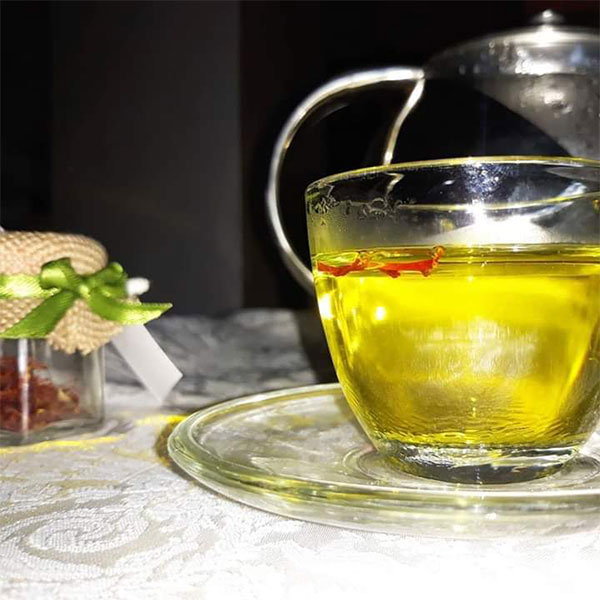
Real saffron will slowly release a golden-yellow hue into the water. It can take anywhere from 10 to 15 minutes for the water to turn a rich, translucent yellow. Crucially, the thread itself will remain red.
Fake saffron, on the other hand, will immediately bleed a dark crimson or reddish dye into the water. Within moments, the fake thread will lose its red color and turn white or pale, revealing its true nature (usually dyed silk or paper).
The Rub Test
After you’ve soaked the threads in water for a few minutes, take a thread out and rub it gently between your thumb and index finger.
Real Saffron: The thread will remain intact. It is surprisingly durable even when wet.
Fake Saffron: The thread will disintegrate, fall apart, or turn into mush between your fingers.
The Price Tag Reality Check
We all love a good bargain, but when it comes to saffron, if the price seems too good to be true, it absolutely is. Harvesting saffron is 100% manual labor. There is a fixed baseline cost for producing it. If a vendor is selling a whole ounce of saffron for $10, you are buying dyed grass. Invest in smaller quantities of high-quality saffron rather than bulk bags of the fake stuff.
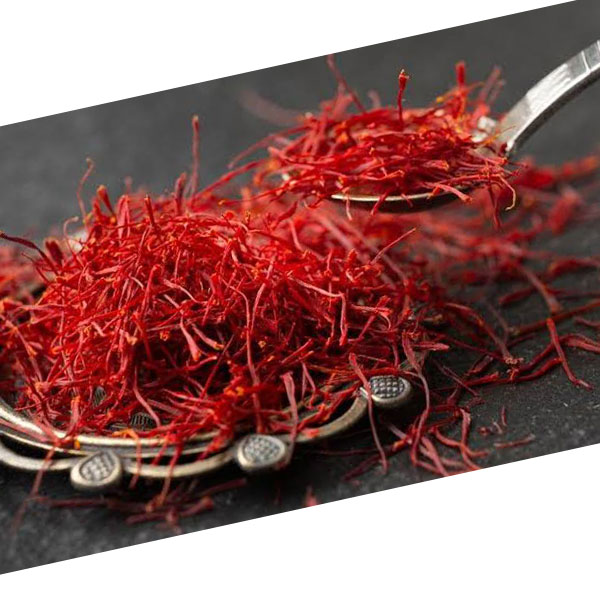
Any specifications about saffron
Quick Reference: Real vs. Fake Saffron
| Feature | Real Saffron | Fake Saffron |
|---|---|---|
| Shape | Trumpet-shaped; wider at one end. | Straight, uniform, looks like thread or hair. |
| Smell | Sweet, floral, earthy (like honey and hay). | No smell, or artificial/chemical odor. |
| Taste | Bitter and slightly earthy. | Sweet (due to artificial dyes/glycerin) or tasteless. |
| Water Test (Color) | Slowly turns water a clear golden-yellow. | Quickly turns water dark red or cloudy. |
| Water Test (Thread) | Thread retains its deep red color. | Thread loses color and turns white/transparent. |
| Texture (When Wet) | Remains intact when rubbed between fingers. | Disintegrates or turns to mush. |
Buying saffron shouldn’t feel like a gamble. By using your senses—checking the trumpet shape, expecting a sweet smell but a bitter taste, and utilizing the cold water test—you can confidently purchase authentic “Red Gold.” Always try to buy from reputable spice merchants who specialize in high-quality ingredients, and don’t be afraid to ask them where their saffron is sourced.
Records mentioned in this article
Frequently Asked Questions
Saffron is expensive because the harvesting process is entirely manual and incredibly labor-intensive. The spice comes from the delicate stigmas of the Crocus sativus flower, which must be carefully hand-picked during a very short harvest season. It takes approximately 75,000 blossoms to produce just one pound of saffron. This massive amount of manual labor is the primary reason behind its premium price tag and why unusually cheap saffron is almost always a counterfeit.
While real saffron does not spoil or become unsafe to consume, it does lose its vibrant flavor, aroma, and color potency over time. For the best culinary results, it is highly recommended to use saffron within two to three years of its harvest date. To maximize its shelf life and protect your investment, always store your saffron threads in an airtight glass container in a cool, dark place, away from direct sunlight, heat, and moisture.
Yes. To get the most out of your real saffron, you should always “bloom” or steep it before cooking. Authentic saffron needs time and liquid to release its complex flavors, aroma, and signature golden-yellow color. It is best to soak the threads in a small amount of warm (not boiling) water, milk, or broth for 15 to 20 minutes before adding the liquid to your dish. For a faster and stronger release, you can gently crush the threads in a mortar before steeping them.