cutting into a beautifully glazed meatloaf, only to find the inside dry, dense, and disappointingly bland. For decades, meatloaf has carried the unfair reputation of a boring weeknight fallback. But when executed with intention, it is a culinary masterpiece of savory umami, caramelized edges, and tender, melt-in-your-mouth texture.
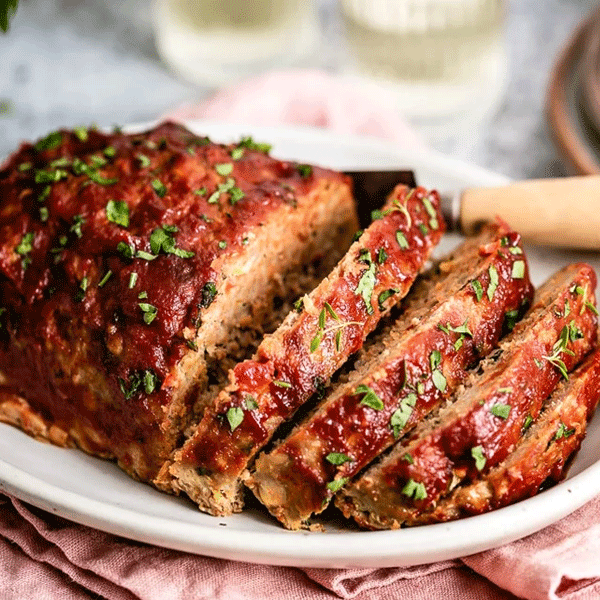
We have all experienced it: cutting into a beautifully glazed meatloaf, only to find the inside dry, dense, and disappointingly bland. For decades, meatloaf has carried the unfair reputation of a boring weeknight fallback. But when executed with intention, it is a culinary masterpiece of savory umami, caramelized edges, and tender, melt-in-your-mouth texture.
At Origin and Source Magazine, we believe that mastering any classic dish requires understanding your ingredients and how they behave under heat. Creating the best meatloaf isn’t about hiding low-quality meat behind a wall of ketchup; it is about ingredient synergy.
If you want to know how to prevent your meatloaf from falling apart, whether you should use a loaf pan, and the exact formula for a glaze that perfectly balances sweet and tangy, you are in the right place.
The Three Pillars of a Perfect Meatloaf
Before we get to the recipe, let’s address the critical decisions that dictate the success of your dish. Google’s culinary algorithms and home cooks alike constantly search for the exact ratios that prevent a dry loaf. Here is the breakdown:
1. The Meat Matrix (Fat is Flavor)
Never use 90% lean beef for meatloaf. You need fat for moisture. The gold standard is an 80/20 ground chuck. For the absolute best texture, a blend of 1.5 lbs of 80/20 beef and 0.5 lbs of ground pork adds a delicate sweetness and vital fat content that keeps the loaf incredibly tender.
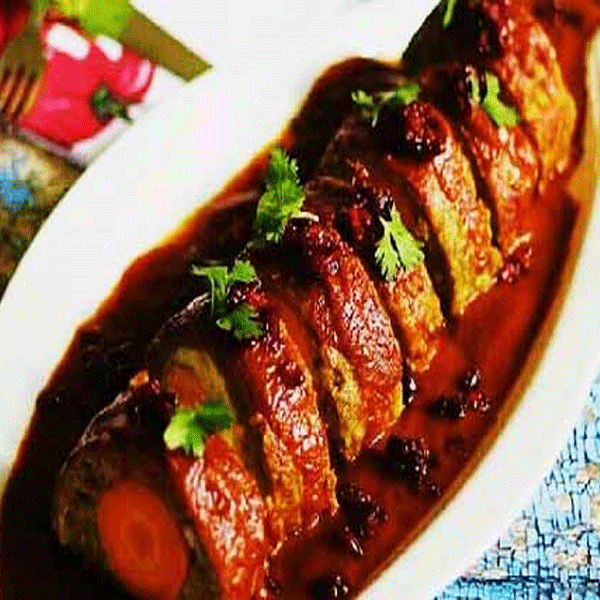
Best meatloaf recipe
2. The Panade (Your Moisture Insurance)
Many recipes call for tossing dry breadcrumbs directly into the meat. This is a mistake; dry bread acts like a sponge, pulling moisture out of the meat as it bakes. Instead, we create a “panade”—a mixture of Panko breadcrumbs and whole milk soaked together until it forms a paste. This traps moisture inside the loaf.
3. The Grated Alliums
Biting into a piece of raw, crunchy onion ruins the texture of a soft meatloaf. Instead of chopping, grate your onion on a box grater. This releases its juices directly into the meat mixture, acting as a natural tenderizer and flavor enhancer without the unwanted crunch.
Loaf Pan vs. Free-Form Baking
| Baking Method | The Pros | The Cons | Texture Result | Our Verdict |
|---|---|---|---|---|
| Standard Loaf Pan | Forces a uniform, classic rectangular shape. Easy to pack the meat in. | Traps grease at the bottom, causing a soggy base. Only the top gets glazed. | Softer edges, potentially mushy bottom. | Skip it, unless you prefer very soft edges. |
| Free-Form (Baking Sheet) | Fat drains away effortlessly. Allows glaze to coat the top and all sides. | Requires manual shaping. Can spread slightly if the mixture is too wet. | Beautifully caramelized crust on all sides. | Highly Recommended. |
Ingredients
For the Meatloaf:
1 ½ lbs (680g) Ground Beef (80/20 Chuck)
½ lb (225g) Ground Pork
¾ cup Panko breadcrumbs (unseasoned)
⅓ cup Whole milk
1 medium Yellow onion (grated, juices included)
3 cloves Garlic (minced or grated)
2 large Eggs (lightly beaten)
2 tbsp Worcestershire sauce
1 tbsp Dijon mustard
¼ cup Fresh parsley (finely chopped)
1 ½ tsp Kosher salt
1 tsp Freshly ground black pepper
For the Signature Tangy Glaze:
¾ cup Quality ketchup
3 tbsp Light brown sugar (packed)
1 tbsp Apple cider vinegar
½ tsp Smoked paprika (optional, but adds great depth)
Step-by-Step Instructions
Step 1: Prep and the Panade
Preheat your oven to 375°F (190°C). Line a heavy-duty rimmed baking sheet with aluminum foil and lightly grease it (or use parchment paper). In a large mixing bowl, combine the Panko breadcrumbs and whole milk. Stir and let it sit for 5 to 10 minutes until the breadcrumbs have absorbed the milk and turned into a thick paste.
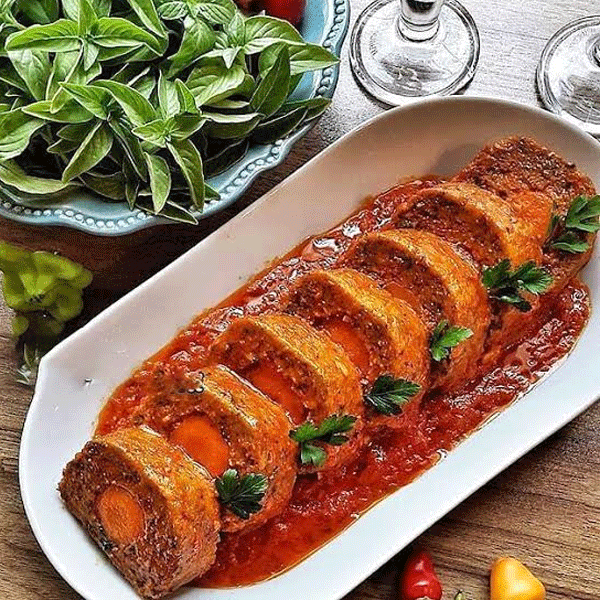
Best meatloaf recipe
Step 2: Combine the Flavor Base
To the panade, add your grated onion (do not drain the juices), minced garlic, beaten eggs, Worcestershire sauce, Dijon mustard, parsley, salt, and pepper. Whisk this mixture together thoroughly. Doing this before adding the meat ensures the seasoning is evenly distributed without overworking the beef.
Step 3: The Gentle Mix
Crumble the ground beef and ground pork into the bowl. Using your hands—and a very light touch—gently fold the meat into the wet ingredients. Stop mixing the exact second it is combined. Overmixing compresses the proteins and will result in a dense, tough brick.
Step 4: Shape the Loaf
Turn the mixture out onto your prepared baking sheet. Using your hands, gently pat and shape the meat into a 9×5-inch oval loaf. Make sure the top is relatively flat and of even thickness so it bakes consistently.
Step 5: Prepare the Glaze
In a small bowl, whisk together the ketchup, brown sugar, apple cider vinegar, and smoked paprika. Brush exactly half of this glaze over the top and sides of the raw meatloaf. Reserve the rest.
Step 6: Bake and Re-Glaze
Bake the meatloaf uncovered for 40 minutes. Remove it from the oven and carefully brush the remaining glaze over the top. Return it to the oven for another 15 to 20 minutes.
Step 7: The Crucial Rest Period
The meatloaf is done when an instant-read thermometer inserted into the dead center reaches 160°F (71°C). Remove from the oven and—this is non-negotiable—let it rest for 15 minutes before slicing. If you cut it immediately, the juices will run out onto the pan, leaving the meat dry.
The best meatloaf is all about balance: juicy meat, a tender texture, and a glossy, tangy glaze on top. Follow these simple tips, don’t overmix the meat, and let it rest for ten minutes before slicing, and you’ll have a comforting, family-favorite dinner every time. Serve it with creamy mashed potatoes or roasted vegetables, and enjoy!
Records mentioned in this article
Frequently Asked Questions
A baking sheet allows excess fat to drain away effortlessly and helps develop a caramelized, glazed crust on all sides of the meatloaf, preventing a soggy bottom.
It traps moisture inside the meatloaf. Using dry breadcrumbs directly would absorb moisture from the meat and make the loaf dry.
Resting allows the proteins to relax and the juices to redistribute. If sliced immediately, the juices will run out, resulting in a dry meatloaf that falls apart.