Saffron doesn’t spoil, but it definitely fades. If you want to experience the magic of this spice, buy whole threads from reputable sources, store them like a vampire (in the dark, away from heat), and try to use them within two years. Life is too short—and saffron is too expensive—to let it waste away in the back of a cabinet!
Saffron at a Glance: Key Facts for Buyers & Businesses
| Category | Details |
|---|---|
| Botanical Name | Crocus sativus L. |
| Primary Origins | Iran (90%), Afghanistan, Spain, Kashmir (India), Greece |
| Active Compounds | Crocin (color), Picrocrocin (flavor), Safranal (aroma) |
| Grading Standards | ISO 3632 (Category I–III based on crocin, picrocrocin, safranal levels) |
| Common Grades | Sargol (all-red threads), Negin (premium long threads), Pushal (red + some yellow) |
| Retail Price Range (2026) | 8– 15/gram (premium), 500 – 500– 3,000/kg (bulk, B2B) |
| Key Quality Indicators | Deep red color, minimal yellow threads, strong aroma, moisture <12%, no additives |
| Shelf Life | 2–3 years (airtight, cool, dark storage) |
| Culinary Uses | Paella, risotto, Persian rice, desserts, teas |
| Health Benefits | Antioxidant, mood support, potential anti-inflammatory properties* |
| Buying Tips for Consumers | Buy threads (not powder), check ISO cert, test 2–3 threads in warm water |
| Sourcing Tips for Businesses | Request lab reports (ISO 3632), verify origin docs, sample before bulk orders |
Saffron at a Glance: Key Facts for Buyers & Businesses. Origin, grades, 2026 prices, and purity checks — the essentials for both home and bulk saffron buyers, in one table. Columns: Category, Details. Botanical Name — Crocus sativus L.. Primary Origins — Iran (90%), Afghanistan, Spain, Kashmir (India), Greece. Active Compounds — Crocin (color), Picrocrocin (flavor), Safranal (aroma). Grading Standards — ISO 3632 (Category I–III based on crocin, picrocrocin, safranal levels). Common Grades — Sargol (all-red threads), Negin (premium long threads), Pushal (red + some yellow). Retail Price Range (2026) — 8– 15/gram (premium), 500 – 500– 3,000/kg (bulk, B2B). Key Quality Indicators — Deep red color, minimal yellow threads, strong aroma, moisture <12%, no additives. Shelf Life — 2–3 years (airtight, cool, dark storage).
I still remember finding a tiny, corked glass vial of saffron tucked away in the very back of my kitchen cabinet. It was easily three years old. Considering how much I had paid for that little gram of “red gold,” my first thought was: Please tell me I don’t have to throw this away.
If you’re staring at an older stash of saffron right now, you are probably asking yourself the same thing. Because it’s the most expensive spice in the world, no one wants to waste a single thread.
So, does saffron actually go bad? Let’s cut right to the chase, and then look at how you can test the batch you have in your pantry.
Does Saffron Expire?
No, saffron does not spoil, rot, or become unsafe to eat over time, provided it hasn’t been exposed to moisture. However, saffron does lose its potency, aroma, and flavor.
Think of it like dried herbs. A five-year-old jar of oregano won’t make you sick, but it will taste like flavored dust. Saffron works the exact same way. It has a prime window for culinary use, after which it’s just red string adding color but no soul to your dish.
does saffron go bad
Saffron Threads vs. Ground Saffron
When deciding whether to keep or toss your saffron, the form it takes is the most critical factor.
Whole Saffron Threads (2 to 3 Years)
If you bought high-quality whole saffron threads, you are in luck. Because the essential oils and volatile compounds (like safranal and crocin) are trapped inside the intact stigma of the crocus flower, whole threads degrade very slowly. If stored correctly, they will retain peak flavor for about 2 to 3 years.
Ground Saffron Powder (6 to 12 Months)
I always advise against buying pre-ground saffron for a few reasons (mostly because it’s easily adulterated with turmeric or paprika). But the biggest issue is shelf life. Grinding exposes a massive amount of surface area to oxygen. Ground saffron oxidizes rapidly and will lose its signature aroma and complex flavor within 6 to 12 months.
How to Tell if Your Saffron Has Gone Bad (The 4-Step Test)
If you can’t remember when you bought it, don’t rely on dates. Rely on your senses. Here is the exact methodology I use to determine if a batch of saffron is still worth cooking with:
1. The Visual Check (Color)
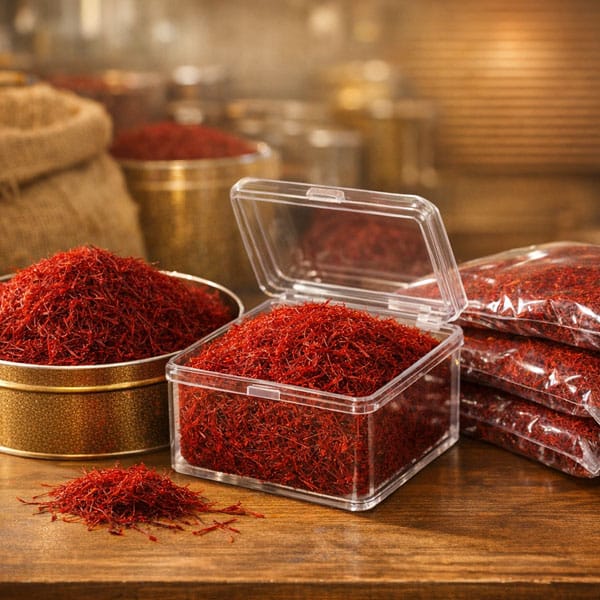
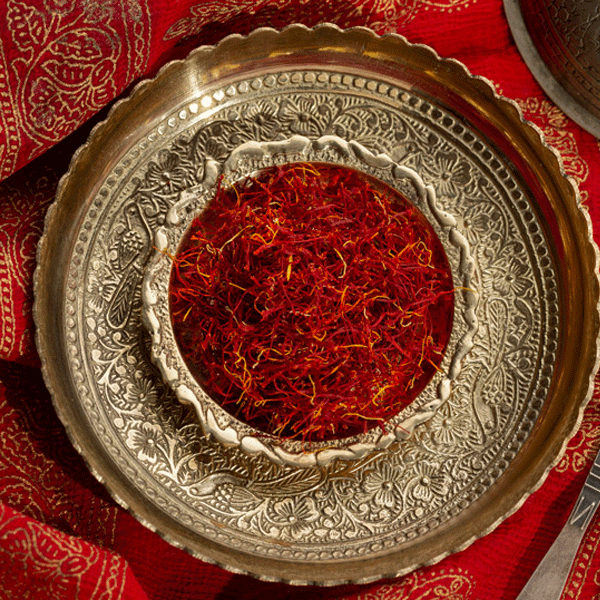
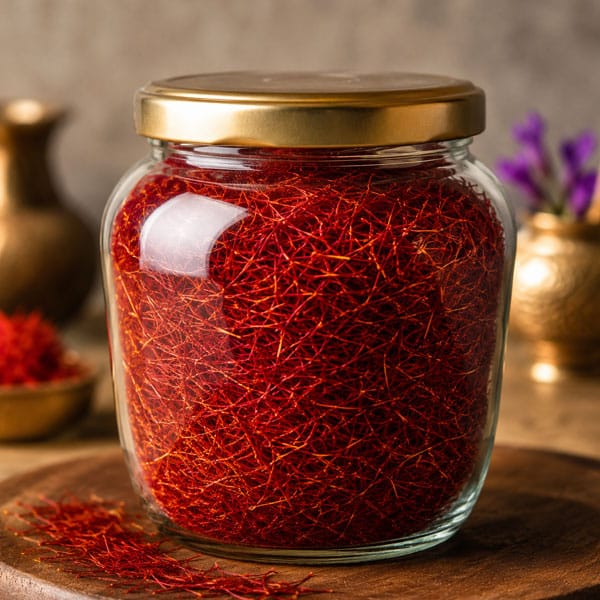
Fresh saffron is a vibrant, deep crimson red. As it ages and oxidizes, it turns into a dull, brick-red or even a pale brownish color. If your threads look washed out, the flavor is likely gone.
2. The Sniff Test (Aroma)
Open the jar and take a deep breath. Good saffron hits you immediately—it smells sweet, slightly floral, and a bit earthy or metallic (some say it smells a bit like sweet hay). If you have to bury your nose in the jar and it just smells like dusty cardboard, its time has passed.
does saffron go bad
3. The Touch Test (Texture)
Take one thread and gently roll it between your dry fingers. It should feel brittle and snap easily. If it feels soft, flexible, or sticky, moisture has gotten into the container. At best, the flavor is ruined; at worst, it could harbor mold.
4. The Water Test (Blooming)
If you are still unsure, drop two threads into a tablespoon of warm water.
Fresh Saffron: Will slowly release a rich, golden-yellow dye over 10-15 minutes, while the thread itself stays red.
Old Saffron: Will release very little color, or the water will just look murky. (Note: If it instantly turns the water dark red, it’s likely fake dyed saffron).
Saffron Culture and Facts: the history of saffron is woven with mystery, wealth, and timeless secrets.
Fresh vs. Expired Saffron
| Feature | Fresh Saffron (Peak Quality) | Aged / “Expired” Saffron |
|---|---|---|
| Color | Vibrant, deep crimson red. | Dull, brownish, or pale brick-red. |
| Aroma | Strong, sweet, earthy, and floral. | Very faint, smells like dust or old paper. |
| Texture | Dry and brittle; snaps easily. | Crumbles to dust instantly, or feels soft/spongy. |
| Brewing (Water) | Slowly releases a bright golden-yellow hue. | Releases weak, pale color; lacks flavor. |
Can I Still Use Expired Saffron?
Yes. If your saffron has lost its punch but shows no signs of mold (which is incredibly rare unless it got wet), you don’t have to throw it away.
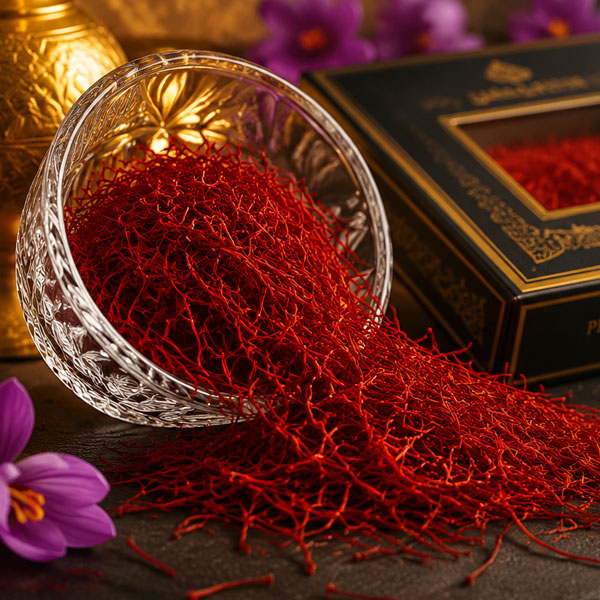
However, your cooking strategy needs to change. If a recipe calls for a pinch of saffron, and your threads are three years old, you will likely need to use double or triple the amount to get even a fraction of the intended flavor. At this stage, old saffron is better used as a natural food coloring for rice rather than the star flavor component of a delicate risotto or paella.
does saffron go bad
How to Make Saffron Last
The reason that forgotten jar in my pantry was still somewhat usable was entirely due to how it was stored. Saffron has three main enemies: Light, Heat, and Moisture.
To get that full 3-year shelf life, follow these rules:
Ditch the plastic: Plastic can let air in over time and sometimes imparts chemical odors. Always store saffron in glass or high-quality metal tins.
Keep it in the dark: UV light destroys the chemical compound crocin, which gives saffron its color. If your jar is clear glass, wrap it in foil or keep it in a completely dark cupboard.
Avoid the fridge: A lot of people think refrigerating or freezing spices extends their life. With saffron, moving it in and out of a cold fridge creates condensation inside the jar. Moisture will ruin your saffron faster than anything else. Keep it in a cool, dry pantry instead.
Records mentioned in this article
Frequently Asked Questions
If the threads are fading to a whitish-yellow, they have been severely light-damaged. UV exposure has broken down the pigments. It’s also possible you purchased a lower grade of saffron that contained the yellow “style” (the lower part of the crocus thread), which has no culinary value.
No, it is not toxic or harmful to consume, assuming it was kept dry and free of mold. It is, however, culinarily “dead.” It won’t harm you, but it won’t help your food, either.
Yes, very quickly. If you leave a jar uncapped, the humidity in your kitchen will degrade the threads, and the volatile essential oils that provide the flavor will evaporate into the air within a matter of weeks. Always seal it tight immediately after use.