While grinding saffron isn’t strictly mandatory, it is the ultimate culinary secret to unlocking the full flavor, vibrant color, and floral aroma of the world’s most expensive spice. Crushing the delicate threads with a mortar and pestle exponentially increases their surface area, ensuring a uniform and potent release of its essential oils. Pair your freshly ground powder with a proper liquid “blooming” technique to effortlessly elevate your recipes and ensure not a single precious pinch goes to waste.
Saffron at a Glance: Key Facts for Buyers & Businesses
| Category | Details |
|---|---|
| Botanical Name | Crocus sativus L. |
| Primary Origins | Iran (90%), Afghanistan, Spain, Kashmir (India), Greece |
| Active Compounds | Crocin (color), Picrocrocin (flavor), Safranal (aroma) |
| Grading Standards | ISO 3632 (Category I–III based on crocin, picrocrocin, safranal levels) |
| Common Grades | Sargol (all-red threads), Negin (premium long threads), Pushal (red + some yellow) |
| Retail Price Range (2026) | 8– 15/gram (premium), 500 – 500– 3,000/kg (bulk, B2B) |
| Key Quality Indicators | Deep red color, minimal yellow threads, strong aroma, moisture <12%, no additives |
| Shelf Life | 2–3 years (airtight, cool, dark storage) |
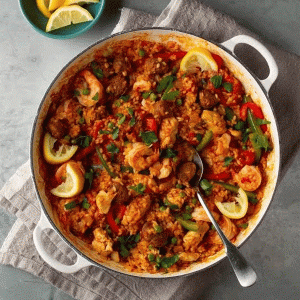
| Culinary Uses | Paella, risotto, Persian rice, desserts, teas |
| Health Benefits | Antioxidant, mood support, potential anti-inflammatory properties* |
| Buying Tips for Consumers | Buy threads (not powder), check ISO cert, test 2–3 threads in warm water |
| Sourcing Tips for Businesses | Request lab reports (ISO 3632), verify origin docs, sample before bulk orders |
Saffron at a Glance: Key Facts for Buyers & Businesses. Origin, grades, 2026 prices, and purity checks — the essentials for both home and bulk saffron buyers, in one table. Columns: Category, Details. Botanical Name — Crocus sativus L.. Primary Origins — Iran (90%), Afghanistan, Spain, Kashmir (India), Greece. Active Compounds — Crocin (color), Picrocrocin (flavor), Safranal (aroma). Grading Standards — ISO 3632 (Category I–III based on crocin, picrocrocin, safranal levels). Common Grades — Sargol (all-red threads), Negin (premium long threads), Pushal (red + some yellow). Retail Price Range (2026) — 8– 15/gram (premium), 500 – 500– 3,000/kg (bulk, B2B). Key Quality Indicators — Deep red color, minimal yellow threads, strong aroma, moisture <12%, no additives. Shelf Life — 2–3 years (airtight, cool, dark storage).
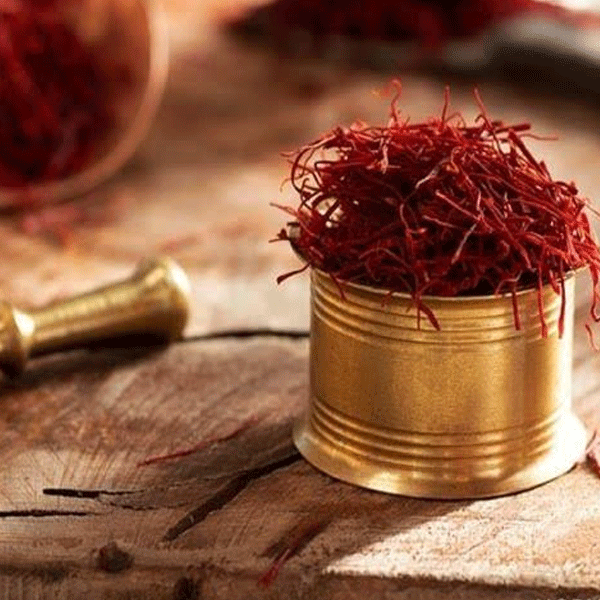
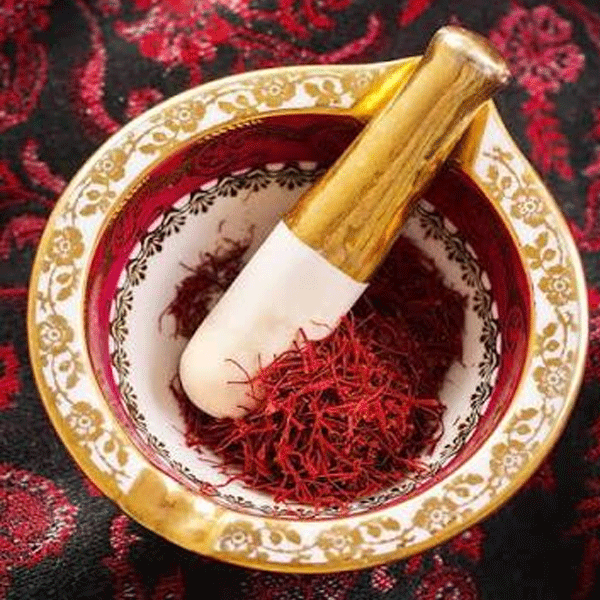
I’ve learned this the hard way. Throwing whole threads directly into a pan of hot oil or rice is a quick way to waste the world’s most expensive spice. Saffron is incredibly potent, but its magic—that golden color, the earthy aroma, and the sweet-savory flavor—is locked inside those delicate crimson stigmas. Grinding them is the key to unlocking it all.
In this guide, we are going to break down exactly when you should grind, when to leave the threads whole, and the absolute best ways to process saffron at home without wasting a single speck.
Why Grinding Matters
To understand why grinding is the industry standard for chefs, you have to look at the chemistry of the spice. Saffron contains three main compounds:
Crocin: Responsible for that vibrant golden-yellow color.
Picrocrocin: Delivers the distinct, slightly bitter, earthy flavor.
Safranal: Provides that intoxicating, floral hay-like aroma.
When you grind the threads into a fine powder, you vastly increase the surface area. This means when the saffron meets a liquid, those three compounds release almost instantly and uniformly. If you leave the threads whole, they will eventually release their color and flavor, but it takes significantly longer, and the distribution in your dish will be uneven.
Do you have to grind saffron
When to Grind (Most of the time)
Baking & Desserts: Ice creams, cakes, and pastries require a perfectly even distribution of flavor and color.
Quick Cooking: If your dish cooks in under 3 Best Way to Do It)
If you’ve just spent a small fortune on a tiny jar of premium saffron threads, you are probably staring at it wondering, “Do I just throw these in the pot, or do I need to grind them first?”
Let’s cut right to the chase: No, you do not strictly have to grind saffron. However, if you want to get your money’s worth, you absolutely should.
Saffron Culinary Arts: “Now that you know how to perfectly grind and bloom your threads, discover the authentic recipes and culinary techniques that let saffron’s golden magic truly shine.”
Comparing Your Options: Whole vs. Home-Ground vs. Pre-Ground
| Saffron Format | Flavor/Color Release | Best Use Case | Risk of Fake/Adulterated |
|---|---|---|---|
| Whole Threads | Slow and uneven | Garnishes, long-simmered soups, steeping for tea. | Very Low (Easy to visually verify) |
| Home-Ground (Mortar & Pestle) | Instant, uniform, and maximum potency | Risotto, paella, baking, marinades, all general cooking. | Very Low (Since you ground it yourself) |
| Store-Bought Pre-Ground | Often weak due to oxidation or fillers | Not recommended. | Extremely High (Often cut with turmeric or food dye) |
The Crucial Final Step: “Blooming” Your Saffron
Grinding your saffron is only half the battle. If you take that freshly ground powder and toss it directly into a hot frying pan with onions and oil, you will burn the essential oils and extract almost zero color. Saffron is water-soluble, not fat-soluble.
To get the most out of your freshly ground spice, you must “bloom” it.
How to Bloom Saffron Properly
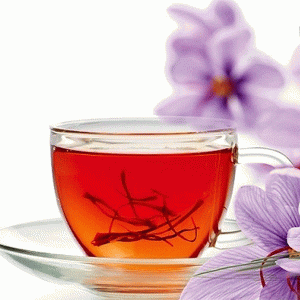
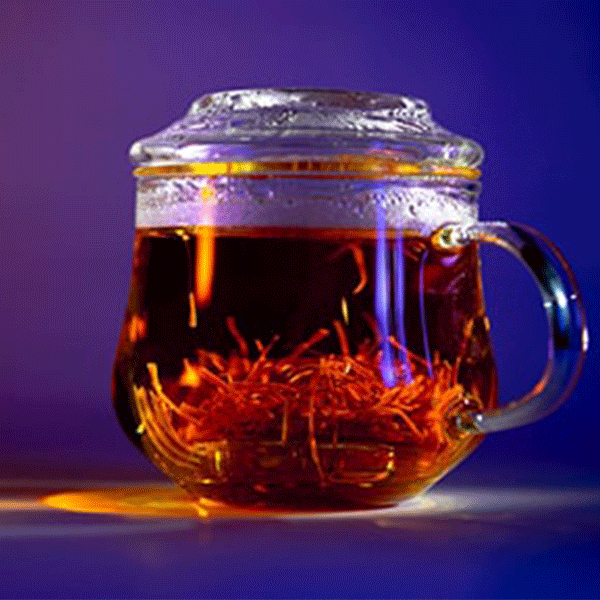
The Hot Liquid Method: Transfer your freshly ground saffron powder into a small glass or bowl. Pour 2 to 3 tablespoons of hot (not boiling!) water, broth, or milk over the powder. Let it steep for 10 to 15 minutes. The liquid will turn a deep, vibrant crimson-orange. Pour this entire liquid into your recipe toward the end of the cooking process.
Do you have to grind saffron
The “Ice Bloom” Method (The Culinary Secret): Many Persian chefs swear by ice. Place your ground saffron in a small bowl and drop 1 or 2 standard ice cubes on top. Let it sit at room temperature until the ice completely melts. The slow temperature shift extracts the color and flavor incredibly smoothly without shocking the delicate chemical compounds.
Do you have to grind saffron? Technically no, but in practice, yes. Taking the extra 30 seconds to grind your threads with a pinch of salt or sugar, followed by a quick steep in liquid, is the difference between an okay dish and a culinary masterpiece. Treat this precious spice with the respect it deserves, and it will reward you with flavors and colors you simply can’t get anywhere else.
Records mentioned in this article
Frequently Asked Questions
It is highly discouraged. Saffron quantities are usually too small (a pinch) for standard blender or coffee grinder blades to catch. Furthermore, coffee grinders harbor strong oils and odors that will instantly taint the delicate floral flavor of your saffron.
If you bought high-quality saffron, it has already been properly dried and cured; toasting is unnecessary and risks burning the spice. However, if your threads feel slightly damp or limp (usually due to humidity), you can very briefly toast them in a dry skillet on low heat for 10–15 seconds to dry them out before grinding.
A standard “pinch” of whole saffron threads (about 20-30 threads) will yield roughly 1/8 to 1/4 teaspoon of lightly packed ground saffron. Always start with a small amount; you can’t undo too much saffron, which can result in a medicinal or soapy taste.