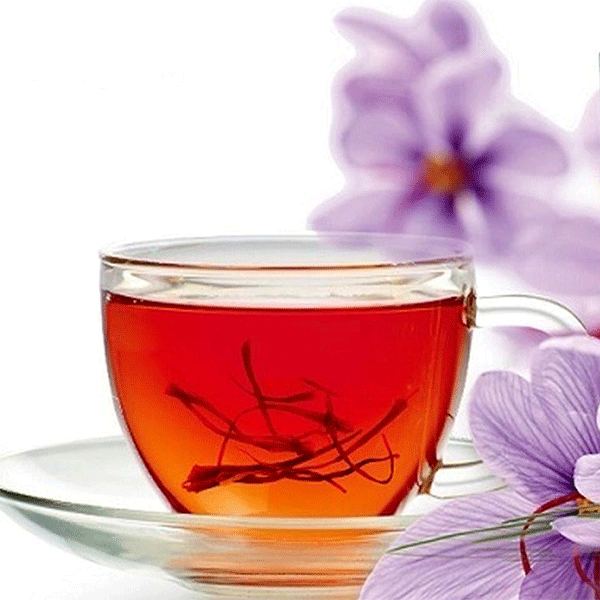
Mastering the perfect cup of saffron tea requires precise temperature control and proper extraction techniques—like the traditional ice-bloom method—to unlock its vibrant golden color and delicate aroma without burning the spice. Whether you are crafting a comforting spiced infusion at home or developing high-end culinary beverages, understanding these subtle brewing mechanics elevates the entire experience. If you are looking to elevate your product line with premium, authentic Persian saffron, connect with Origin & Source to explore our tailored B2B wholesale partnerships.
Brewing saffron tea isn’t just about dropping threads into boiling water; it’s a delicate extraction process that requires the right temperature and technique to release its full aroma (safranal) and golden color (crocin). Whether you prefer a quick hot infusion or the traditional Persian ice-blooming method, mastering this process elevates your beverage. If your business requires premium, authentic Persian saffron for retail, hospitality, or culinary production, contact us at Origin & Source for competitive wholesale partnerships.
In my years of working directly with premium Persian saffron, I’ve seen countless people make one critical mistake: treating saffron like regular black tea leaves. Saffron is a delicate spice. If you shock it with boiling water, you burn the threads, resulting in a bitter, metallic taste and a muted color.
To get that mesmerizing golden hue and sweet, earthy floral aroma, you need to understand the science of blooming. Here is my personal, experience-based guide to brewing the perfect cup, addressing every step from grinding to temperature control.
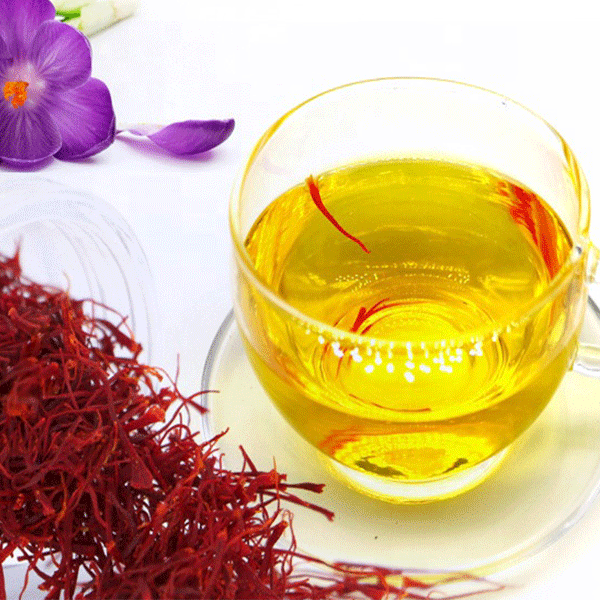
Saffron tea recipe
1. The Foundation: Choosing and Preparing Your Saffron
Before you boil any water, you have a decision to make. Do you use whole threads or ground saffron?
If you want an even, rapid extraction of color and flavor, grinding is always better.
Pro Tip: Place a pinch of saffron threads (about 10-15 stigmas) in a small brass or stone mortar. Add a tiny pinch of coarse sugar (this acts as an abrasive). Grind it into a fine powder.
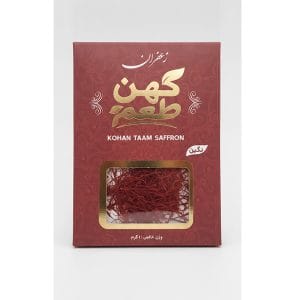
When deciding which saffron grade to buy for tea, Super Negin or Sargol are your best options. They contain only the red tips of the stigma, meaning you are getting 100% pure flavor and color without the yellow, flavorless styles.
2. The Classic Hot Saffron Tea Recipe
This is the standard, everyday method for a comforting cup of saffron tea.
Ingredients:
1/8 teaspoon freshly ground premium saffron (or about 10-15 whole threads)
2 cups of filtered water
Optional: 1-2 crushed cardamom pods, a splash of rose water, or raw honey to sweeten.
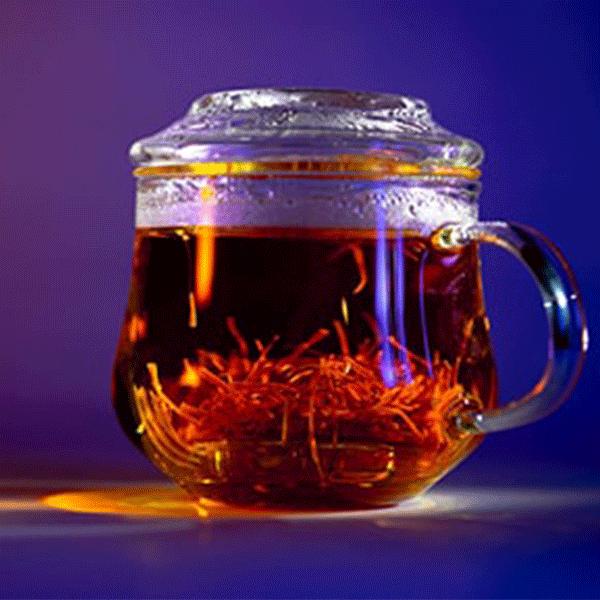
Saffron tea recipe
Step-by-Step Instructions:
Heat the water: Bring your filtered water to a boil, then let it sit for 2-3 minutes. The ideal temperature for saffron is between 160°F to 170°F (70°C to 75°C). Never use actively boiling water.
The Bloom: Place your ground saffron in a teapot or large mug. Pour a small splash (about 2 tablespoons) of the hot water over the saffron. Swirl it gently and let it sit for 5 minutes. You will see a deep, concentrated orange-red liquid form.
The Steep: Pour the rest of the hot water into the teapot. Add crushed cardamom if desired.
Cover and Wait: Cover the teapot to trap the essential oils. Let it steep for 10 to 15 minutes.
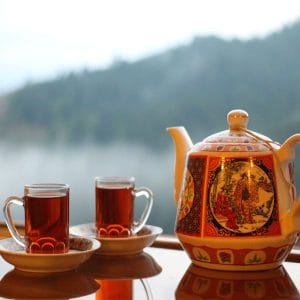
Serve: Pour into clear glass cups to appreciate the golden color. Sweeten with raw honey once the tea has cooled slightly (to preserve the honey’s nutrients).
The Art of Cooking with Saffron: Delicious Saffron Dishes
3. Comparing Brewing Methods: Hot Water vs. Ice Method vs. Milk Infusion
| Brewing Method | Best Used For | Time Required | Flavor Profile & Yield |
|---|---|---|---|
| Hot Water Steep (75°C) | Quick, cozy evening teas; blending with black/green tea. | 10-15 Minutes | Earthy, immediately floral. Good color, but delicate oils can evaporate if uncovered. |
| The Ice Method (Cold Bloom) | Maximum color extraction; making saffron concentrate for bulk recipes or iced teas. | 30-40 Minutes | Highly vibrant golden color. Extremely smooth, sweet aroma. No risk of burning the spice. |
| Warm Milk Infusion | Saffron lattes, sleep aids, Indian-style (Kesar Doodh). | 15-20 Minutes (Simmering) | Rich, creamy, and sweet. The fats in the milk bind beautifully with the saffron compounds. |
Why the Ice Method is a Game Changer:
If you have the time, put your ground saffron in a glass and drop 2-3 ice cubes on top. Leave it at room temperature until the ice completely melts. The slow temperature shock pulls out the maximum amount of crocin (color) without damaging the volatile oils. You can then add hot water to this concentrate for a superior cup of tea.
4. Blending Decisions: What pairs well with Saffron?
Saffron has a dominant, slightly sweet, and hay-like flavor profile. If you want to blend it, you need ingredients that complement rather than overpower it.
For Digestion: Pair saffron with fresh ginger and a slice of lemon.
For Relaxation (The Persian Classic): Mix saffron with a light black tea (like Ceylon), a crushed green cardamom pod, and a few drops of edible rose water.
For Immunity: Brew saffron with a cinnamon stick and sweeten generously with raw honey.
Records mentioned in this article
Frequently Asked Questions
For a single cup of tea, 10 to 15 high-quality saffron threads (roughly 30-50 milligrams) are perfectly sufficient. Using too much saffron can make the tea taste medicinal and bitter, and consuming excessive amounts (over 1.5 grams a day) is not recommended.
No, you should never aggressively boil saffron. Boiling destroys the volatile oils responsible for the spice’s unique aroma and health benefits, and it often results in a bitter brew. Always use water that is just off the boil (around 160°F - 170°F).
Yes. If you used whole threads, you can steep them a second time, though the flavor and color will be significantly lighter. For maximum efficiency, grinding the saffron is always the better approach, as it extracts all the value in the first brew.