Saffron is a remarkable botanical, but respecting its strict dosage limits is the key to enjoying its physical and mental health benefits safely. If you experience any severe adverse reactions like extreme dizziness or unexpected bleeding, stop your intake immediately and consult a physician. For businesses and formulators seeking pure, lab-tested wholesale saffron with fully transparent sourcing to guarantee consumer safety, reach out to us to secure premium quality for your product lines.
As someone who works closely with premium agricultural products and bulk sourcing, I’ve seen firsthand how saffron is celebrated as a “red gold” miracle spice. From elevating culinary dishes to serving as a potent natural supplement for mood and health, its benefits are well-documented. However, there is a stark difference between a pinch of saffron in your paella and taking concentrated daily extracts.
While generally safe for most people, saffron is highly potent. Pushing past the recommended boundaries can lead to adverse reactions. If you are taking it medicinally, knowing exactly when your body has had enough—and when you should stop taking it completely—is a critical decision.
Here is a practical, experience-based guide to saffron’s side effects, safe thresholds, and the exact warning signs you should never ignore.
When to Stop Immediately
If you are taking saffron supplements or high doses of brewed saffron tea and experience dizziness, vomiting, a sudden drop in blood pressure, yellowing of the skin/eyes, or bleeding (such as nosebleeds or blood in urine), you must stop taking it immediately and seek medical attention. These are signs of saffron toxicity.
Saffron side effects
Common Mild Side Effects (And How to Manage Them)
When taken in standard supplemental doses (typically 30mg to 50mg per day), most people experience zero issues. However, when first introducing saffron to your routine, your body might react.
Mild side effects can include:
Dry mouth
Anxiety or slight agitation
Dizziness or drowsiness
Nausea or changes in appetite
Headaches
Decision Factor: If you experience these mild symptoms, you don’t necessarily need to abandon saffron completely. First, try reducing your dosage by half or taking it with food. If the symptoms persist for more than a few days, it’s best to stop.
High-Risk Groups: Who Should Avoid Saffron Completely?
Search intent data shows that many users wonder if saffron is safe for their specific medical condition. You should stop or avoid taking medicinal doses of saffron if you fall into any of the following categories:
Pregnant Women: This is non-negotiable. While a tiny pinch in food is generally fine, high doses of saffron can stimulate uterine contractions and have historically been linked to miscarriages.
Individuals with Bipolar Disorder: Saffron is a known mood elevator. For someone with bipolar disorder, it can trigger mania or rapid mood cycling.
Patients Scheduled for Surgery: Because saffron relaxes the central nervous system and can lower blood pressure, you should stop taking it at least two weeks before any scheduled surgery.
People with Low Blood Pressure: Saffron naturally lowers blood pressure. If yours is already low, taking it might cause you to faint or feel excessively lethargic.
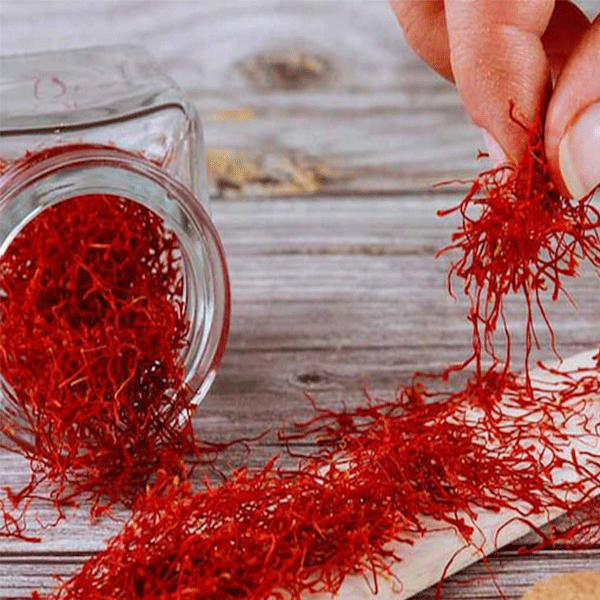
Saffron side effects
Common Mild Side Effects (And How to Manage Them)
Saffron doesn’t exist in a vacuum; it interacts with how your body processes other medications. You should stop taking saffron—or consult your doctor immediately—if you are actively taking:
Blood Pressure Medications: Combining these with saffron can cause your blood pressure to drop to dangerously low levels.
Blood Thinners (Anticoagulants): Saffron may slow blood clotting. Mixing it with aspirin, warfarin, or clopidogrel increases the risk of bruising and internal bleeding.
Sedatives and Antidepressants: Because saffron affects serotonin and the nervous system, combining it with SSRIs or sedatives can cause excessive drowsiness or, in rare cases, serotonin syndrome.
Health Benefits of Saffron: Recommended Dosage
Dosage Breakdown: Safe vs. Toxic
| Usage Type | Daily Amount | Safety Level & Expected Reaction |
|---|---|---|
| Culinary Use | ~15mg to 30mg (a few threads) | 100% Safe. Used in cooking, poses no risk to healthy individuals. |
| Medicinal / Supplements | 30mg to 100mg | Generally Safe. Therapeutic range for mood and PMS. Monitor for mild side effects. |
| High Dose (Warning) | 1,200mg to 2,000mg (1.2 – 2g) | Unsafe. Nausea, dizziness, vomiting, and potential bleeding. Stop immediately. |
| Toxic / Lethal Dose | 5,000mg+ (5 grams or more) | Highly Dangerous. Can cause organ failure, severe bleeding, and can be fatal. |
Saffron is a remarkable botanical, but respecting its strict dosage limits is the key to enjoying its physical and mental health benefits safely. If you experience any severe adverse reactions like extreme dizziness or unexpected bleeding, stop your intake immediately and consult a physician.
Reference:
https://www.webmd.com/vitamins/ai/ingredientmono-844/saffron
Records mentioned in this article

Frequently Asked Questions
In standard culinary or medicinal doses (up to 100mg daily), saffron does not cause liver damage and is actually studied for its hepatoprotective (liver-protecting) properties. However, extreme toxic doses (over 5 grams) can lead to jaundice and acute organ failure, including the liver.
If you experience mild side effects like a dry mouth or slight dizziness, they typically subside within 24 to 48 hours after you stop taking the supplement or reduce the dosage. If symptoms persist longer, consult a healthcare provider.
It depends on the individual’s neurochemistry and the dosage. For most people, saffron promotes relaxation and improves sleep quality by interacting with GABA receptors. However, a small percentage of users report feeling mildly agitated or restless. If it disrupts your sleep, switch your dosage to the morning.