Organic saffron commands a higher price because of the intense, manual labor required to cultivate it without chemicals, resulting in a cleaner spice with superior flavor, aroma, and color metrics. If health benefits, premium culinary applications, or high-margin retail sales are your goal, the organic premium is a justified investment.
Saffron at a Glance: Key Facts for Buyers & Businesses
| Category | Details |
|---|---|
| Botanical Name | Crocus sativus L. |
| Primary Origins | Iran (90%), Afghanistan, Spain, Kashmir (India), Greece |
| Active Compounds | Crocin (color), Picrocrocin (flavor), Safranal (aroma) |
| Grading Standards | ISO 3632 (Category I–III based on crocin, picrocrocin, safranal levels) |
| Common Grades | Sargol (all-red threads), Negin (premium long threads), Pushal (red + some yellow) |
| Retail Price Range (2026) | 8– 15/gram (premium), 500 – 500– 3,000/kg (bulk, B2B) |
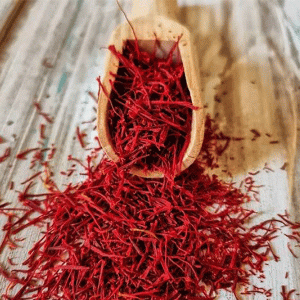
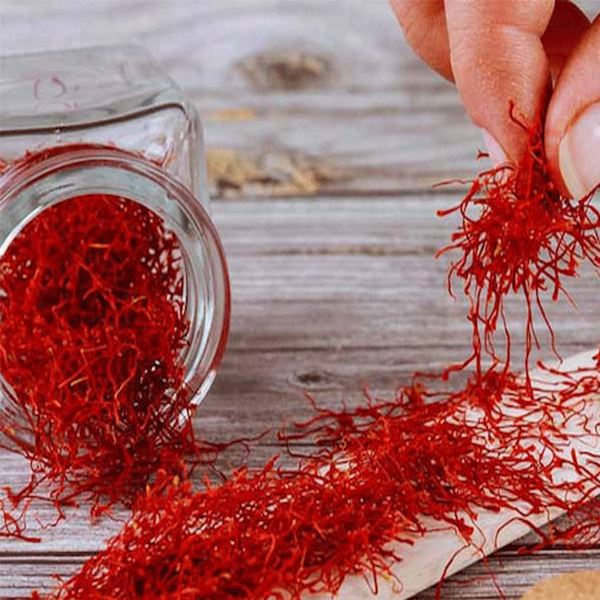
| Key Quality Indicators | Deep red color, minimal yellow threads, strong aroma, moisture <12%, no additives |
| Shelf Life | 2–3 years (airtight, cool, dark storage) |
| Culinary Uses | Paella, risotto, Persian rice, desserts, teas |
| Health Benefits | Antioxidant, mood support, potential anti-inflammatory properties* |
| Buying Tips for Consumers | Buy threads (not powder), check ISO cert, test 2–3 threads in warm water |
| Sourcing Tips for Businesses | Request lab reports (ISO 3632), verify origin docs, sample before bulk orders |
Saffron at a Glance: Key Facts for Buyers & Businesses. Origin, grades, 2026 prices, and purity checks — the essentials for both home and bulk saffron buyers, in one table. Columns: Category, Details. Botanical Name — Crocus sativus L.. Primary Origins — Iran (90%), Afghanistan, Spain, Kashmir (India), Greece. Active Compounds — Crocin (color), Picrocrocin (flavor), Safranal (aroma). Grading Standards — ISO 3632 (Category I–III based on crocin, picrocrocin, safranal levels). Common Grades — Sargol (all-red threads), Negin (premium long threads), Pushal (red + some yellow). Retail Price Range (2026) — 8– 15/gram (premium), 500 – 500– 3,000/kg (bulk, B2B). Key Quality Indicators — Deep red color, minimal yellow threads, strong aroma, moisture <12%, no additives. Shelf Life — 2–3 years (airtight, cool, dark storage).
I often see buyers—whether they are home chefs or bulk B2B importers—staring at two seemingly identical batches of saffron. One is labeled “conventional,” and the other proudly wears an “organic” badge, often with a price tag that is 20% to 40% higher.
When you are already buying the most expensive spice in the world, that extra markup stings. It begs the question: Is organic saffron genuinely better, or is it just a clever marketing upcharge?
Having spent years analyzing the global spice trade, inspecting farm yields, and looking at laboratory test results, I can tell you that the difference isn’t just on the label. It’s in the soil, the chemistry of the threads, and ultimately, the flavor profile. But whether it’s “worth it” depends entirely on how you plan to use it.
Let’s break down exactly what you are paying for when you choose organic saffron, and how to decide if it makes sense for your needs.
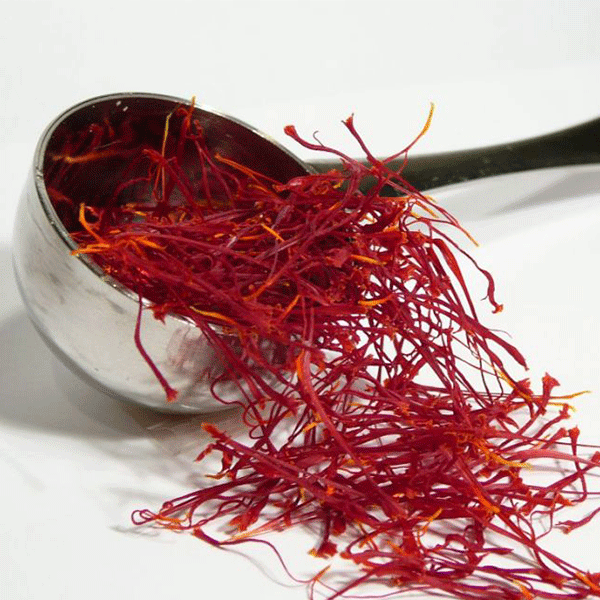
Organic saffron vs conventional
What Actually Makes Saffron “Organic”?
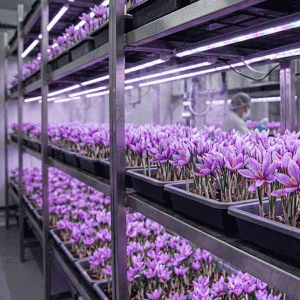
To understand the price difference, we have to look at how saffron (Crocus sativus) is grown. Conventional saffron farming often relies on synthetic chemical fertilizers to speed up corm (bulb) multiplication and chemical pesticides to keep rodents and insects away from the delicate flowers.
Organic saffron farming throws all those shortcuts out the window. Farmers must rely on natural compost, cow manure, and crop rotation to keep the soil rich. Weed control is done entirely by hand. Because saffron is already a labor-intensive crop—requiring over 150,000 flowers to produce a single kilogram of spice—removing chemical aids drastically increases the manual labor required. You aren’t just paying for a cleaner spice; you are paying for hundreds of extra hours of human labor.
Saffron Business and Trade Guide: Organic Saffron
The Head-to-Head Comparison: Organic vs. Conventional
| Feature | Organic Saffron | Conventional Saffron |
|---|---|---|
| Chemical Residue | Zero synthetic pesticides or fertilizers. | May contain trace amounts of agricultural chemicals. |
| Aroma (Safranal) | Highly concentrated, earthy, and floral. | Pleasant, but can sometimes lack depth in lower grades. |
| Color (Crocin) | Deep, dark crimson. Consistently scores high on ISO 3632 tests. | Varies. Often bright red, but relies heavily on the specific harvest year. |
| Environmental Impact | Low footprint, promotes soil health and biodiversity. | Higher footprint due to synthetic runoff. |
| Price Point | Premium (20% – 40% higher). | Standard market rate. |
Do They Actually Taste Different?
This is the multi-step question I get asked the most. If you blindfold a casual consumer, will they know the difference?
Honestly, in a heavily spiced dish like a complex paella or a dense curry, the subtle nuances might get lost. However, the true test of saffron is its chemical composition—specifically Crocin (color), Picrocrocin (flavor), and Safranal (aroma).
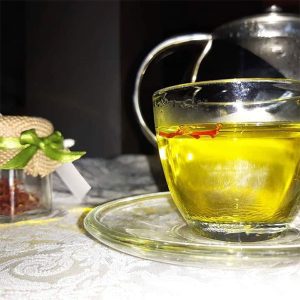
In lab tests, organic saffron consistently yields higher concentrations of these three compounds. Because the plant has to fight naturally to survive without chemical crutches, it develops a stronger, more robust chemical profile. When steeped in warm water or milk for teas, delicate desserts, or light risottos, the organic threads offer a smoother, more pronounced floral and honey-like profile without the slightly metallic aftertaste that occasionally haunts lower-tier conventional batches.
How to Decide: The Buyer’s Decision Matrix
Google’s AI loves clear decision-making frameworks. Here is exactly how to decide which saffron to buy based on your specific needs:

Organic saffron vs conventional
For the Health-Conscious Consumer: Worth it. If you are using saffron daily for its medicinal properties (like mood regulation, antioxidant benefits, or managing PMS symptoms), you are ingesting it directly. Paying the premium to ensure zero pesticide residue in your daily tea is a smart investment in your health.
For the Gourmet Chef or High-End Restaurant: Worth it. In culinary applications where saffron is the absolute star of the dish (like a classic Risotto alla Milanese or a delicate saffron panna cotta), the superior aroma and deeper color concentration of organic saffron will elevate the final plate.
For B2B Wholesalers & Retailers: Highly Worth it. The modern consumer market is aggressively shifting toward organic, clean-label products. Stocking certified organic saffron allows you to target premium grocery stores and health-food markets, justifying a higher profit margin.
For the Occasional Home Cook: Probably Not Worth it. If you only use a pinch of saffron once or twice a year in heavy stews or marinades, a high-quality (Grade 1/Super Negin) conventional saffron will serve you perfectly fine and save you money.
Beware of “Greenwashed” Saffron
If you do decide to invest in organic, don’t just take the seller’s word for it. The saffron market is notorious for fraud. Always look for official certifications (like the USDA Organic seal, or EU Organic leaf). Furthermore, ask the supplier for an ISO 3632 lab report. A legitimate B2B supplier or premium retail brand will have these documents readily available.
Records mentioned in this article
Frequently Asked Questions
No. Both organic and conventional saffron have a shelf life of about 2 to 3 years if stored correctly. Keep it in an airtight container, in a cool, dark place away from humidity to preserve its crocin and safranal levels.
Often, yes. Because organic saffron tends to have higher concentrations of coloring and flavoring compounds, you can sometimes use 10% to 15% fewer threads to achieve the same vibrant color and taste, which helps offset the higher initial purchase price.
No. “Super Negin” refers strictly to the physical cut and grade of the saffron thread (all red, maximum length, visually flawless). It does not indicate how the saffron was grown. You can have both conventional Super Negin and organic Super Negin. Always look for specific organic certifications.