Afghan saffron has rapidly emerged as a premium contender in the global spice trade, consistently winning international quality awards for its exceptional aroma and deep color. For buyers navigating the complex spice market, understanding the nuances between Afghan and other origins is crucial for making profitable decisions. If you are exploring high-quality saffron for B2B trade, culinary use, or retail, my team and I at Origin & Source can help you navigate bulk sourcing and supplier verification to ensure authentic, high-grade imports.
Saffron at a Glance: Key Facts for Buyers & Businesses
| Category | Details |
|---|---|
| Botanical Name | Crocus sativus L. |
| Primary Origins | Iran (90%), Afghanistan, Spain, Kashmir (India), Greece |
| Active Compounds | Crocin (color), Picrocrocin (flavor), Safranal (aroma) |
| Grading Standards | ISO 3632 (Category I–III based on crocin, picrocrocin, safranal levels) |
| Common Grades | Sargol (all-red threads), Negin (premium long threads), Pushal (red + some yellow) |
| Retail Price Range (2026) | 8– 15/gram (premium), 500 – 500– 3,000/kg (bulk, B2B) |
| Key Quality Indicators | Deep red color, minimal yellow threads, strong aroma, moisture <12%, no additives |
| Shelf Life | 2–3 years (airtight, cool, dark storage) |
| Culinary Uses | Paella, risotto, Persian rice, desserts, teas |
| Health Benefits | Antioxidant, mood support, potential anti-inflammatory properties* |
| Buying Tips for Consumers | Buy threads (not powder), check ISO cert, test 2–3 threads in warm water |
| Sourcing Tips for Businesses | Request lab reports (ISO 3632), verify origin docs, sample before bulk orders |
Saffron at a Glance: Key Facts for Buyers & Businesses. Origin, grades, 2026 prices, and purity checks — the essentials for both home and bulk saffron buyers, in one table. Columns: Category, Details. Botanical Name — Crocus sativus L.. Primary Origins — Iran (90%), Afghanistan, Spain, Kashmir (India), Greece. Active Compounds — Crocin (color), Picrocrocin (flavor), Safranal (aroma). Grading Standards — ISO 3632 (Category I–III based on crocin, picrocrocin, safranal levels). Common Grades — Sargol (all-red threads), Negin (premium long threads), Pushal (red + some yellow). Retail Price Range (2026) — 8– 15/gram (premium), 500 – 500– 3,000/kg (bulk, B2B). Key Quality Indicators — Deep red color, minimal yellow threads, strong aroma, moisture <12%, no additives. Shelf Life — 2–3 years (airtight, cool, dark storage).
When I look at the current landscape of the global spice trade, one question frequently comes across my desk from buyers and distributors: Is Afghan saffron actually good?
The short answer is yes—it is exceptional. In fact, saffron from the Herat province of Afghanistan has repeatedly secured top honors at the International Taste and Quality Institute (iTQi) in Brussels. But as someone who deals with agricultural trade and B2B sourcing, I know that “good” is subjective unless backed by chemical analysis, market availability, and practical logistics.
Let’s break down exactly what makes Afghan saffron a premium choice, how it stacks up against its historical competitors, and what you need to know before you buy.

Afghan saffron quality
What Drives the Quality of Afghan Saffron?
Saffron quality comes down to three primary chemical compounds:
Crocin: Responsible for the deep red color.
Picrocrocin: Drives the distinct, slightly bitter flavor.
Safranal: Creates the iconic floral aroma.
Afghanistan’s terroir—specifically the dry, temperate climate and mineral-rich soil of the western provinces—creates the perfect stress environment for the Crocus sativus flower. This environment forces the plant to produce incredibly high levels of crocin. In laboratory tests, premium Afghan Super Negin saffron frequently exceeds ISO 3632 Category 1 standards, offering a coloring strength that means buyers can use less product to achieve the desired culinary or manufacturing result.
Saffron Business and Trade Guide: The Best Market for Purchasing
Afghan vs. Iranian vs. Spanish Saffron
| Feature | Afghan Saffron | Iranian Saffron | Spanish Saffron |
|---|---|---|---|
| Color Strength (Crocin) | Extremely High (Often 250+) | Very High | Moderate |
| Aroma Profile | Earthy, intense, highly floral | Classic, sweet, robust | Milder, slightly smokey |
| Market Perception | Emerging premium, award-winning | The traditional global standard | High retail trust, heavily marketed |
| Price Point (Wholesale) | High (Reflects premium grading) | Variable (from bulk to premium) | Highest (Often due to EU packaging) |
B2B Market Review: Sourcing Realities
Trading Afghan saffron is highly lucrative, but it requires diligent quality control. Because Afghan saffron commands a high price point, adulteration in the secondary market is a risk.
How to source safely:
Ask for Lab Reports: Never buy bulk without an ISO 3632 certification specific to the batch you are purchasing.
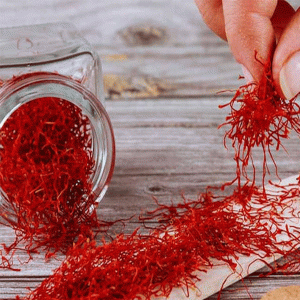
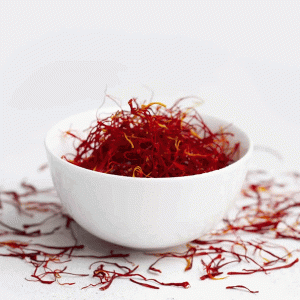
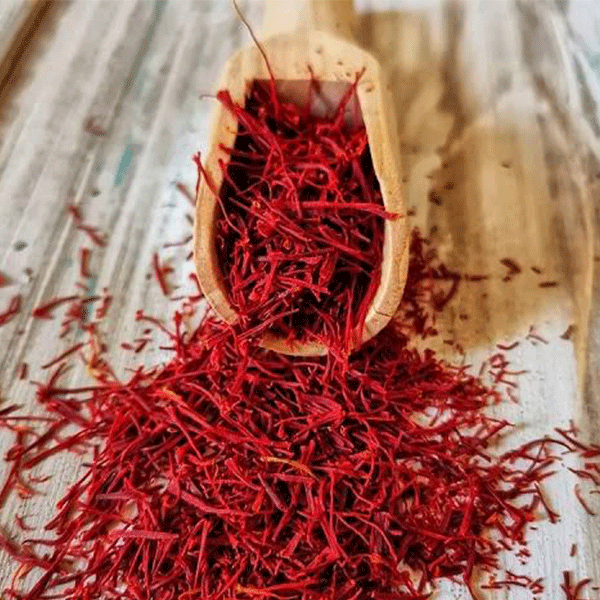
Focus on the Cut: The highest tier is “Super Negin,” which consists entirely of the red stigmas cut perfectly without any of the yellow style. This is where Afghan saffron truly shines visually.
Understand the Supply Chain: Many suppliers claim to sell Afghan saffron, but it may be blended with lower-grade products during transit through trade hubs like Dubai. Working directly with established co-ops or verified B2B trade partners is essential to protect your investment.
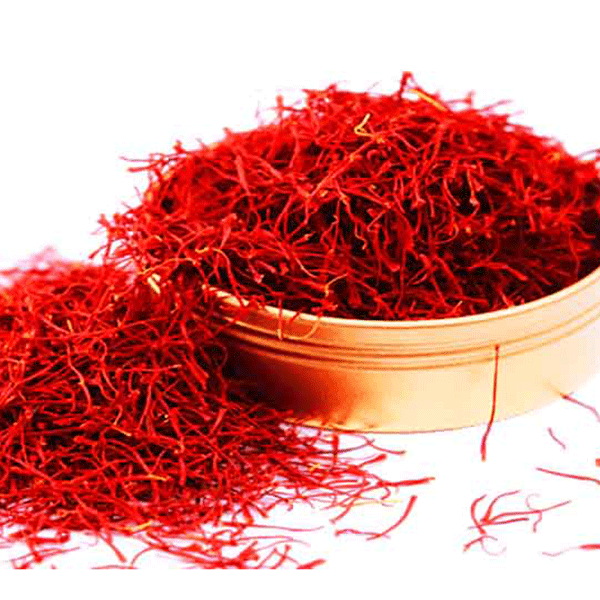
Afghan saffron quality
From a strictly qualitative standpoint, Afghan saffron is world-class. If you are building a premium food brand, stocking high-end retail shelves, or formulating pharmaceuticals/supplements where crocin concentration matters, Afghan Super Negin is arguably one of the best investments you can make in the spice category. It delivers on color, flavor, and an increasingly prestigious brand narrative.
Records mentioned in this article
Frequently Asked Questions
The high cost is due to the labor-intensive harvesting process. It takes roughly 150,000 to 170,000 hand-picked flowers to produce just one kilogram of dried saffron. Furthermore, Afghan farmers focus heavily on the “Super Negin” cut, which requires meticulous trimming and results in a lower yield but a far superior product.
Real saffron will release its yellow color slowly in warm water, keeping the red thread intact. Fake saffron (often dyed corn silk or safflower) will instantly turn the water red and the thread will lose its color, turning white or mushy. Furthermore, authentic saffron smells sweet but tastes slightly bitter.
“Better” often depends on the specific harvest and batch grading. Iran produces over 85% of the world’s saffron and sets the baseline for quality. However, Afghan saffron has consistently won international blind taste tests in recent years, largely because Afghan exporters focus primarily on low-volume, ultra-premium grades rather than mass commercial bulk.