Sourcing wholesale saffron requires moving past the initial price tag to evaluate grade, origin, and ISO-verified potency. By establishing strict testing protocols in your kitchen and partnering with transparent suppliers, you secure better flavors and drastically improved margins for your menu. If you are looking to elevate your restaurant’s ingredient sourcing or need reliable B2B agricultural consulting, let’s connect and refine your supply chain strategy.
Saffron at a Glance: Key Facts for Buyers & Businesses
| Category | Details |
|---|---|
| Botanical Name | Crocus sativus L. |
| Primary Origins | Iran (90%), Afghanistan, Spain, Kashmir (India), Greece |
| Active Compounds | Crocin (color), Picrocrocin (flavor), Safranal (aroma) |
| Grading Standards | ISO 3632 (Category I–III based on crocin, picrocrocin, safranal levels) |
| Common Grades | Sargol (all-red threads), Negin (premium long threads), Pushal (red + some yellow) |
| Retail Price Range (2026) | 8– 15/gram (premium), 500 – 500– 3,000/kg (bulk, B2B) |
| Key Quality Indicators | Deep red color, minimal yellow threads, strong aroma, moisture <12%, no additives |
| Shelf Life | 2–3 years (airtight, cool, dark storage) |
| Culinary Uses | Paella, risotto, Persian rice, desserts, teas |
| Health Benefits | Antioxidant, mood support, potential anti-inflammatory properties* |
| Buying Tips for Consumers | Buy threads (not powder), check ISO cert, test 2–3 threads in warm water |
| Sourcing Tips for Businesses | Request lab reports (ISO 3632), verify origin docs, sample before bulk orders |
Saffron at a Glance: Key Facts for Buyers & Businesses. Origin, grades, 2026 prices, and purity checks — the essentials for both home and bulk saffron buyers, in one table. Columns: Category, Details. Botanical Name — Crocus sativus L.. Primary Origins — Iran (90%), Afghanistan, Spain, Kashmir (India), Greece. Active Compounds — Crocin (color), Picrocrocin (flavor), Safranal (aroma). Grading Standards — ISO 3632 (Category I–III based on crocin, picrocrocin, safranal levels). Common Grades — Sargol (all-red threads), Negin (premium long threads), Pushal (red + some yellow). Retail Price Range (2026) — 8– 15/gram (premium), 500 – 500– 3,000/kg (bulk, B2B). Key Quality Indicators — Deep red color, minimal yellow threads, strong aroma, moisture <12%, no additives. Shelf Life — 2–3 years (airtight, cool, dark storage).
As someone who has spent years navigating the agricultural trade and bridging the gap between farm origins and commercial kitchens, I’ve seen too many brilliant chefs waste their budgets on dead, flavorless threads disguised as premium saffron.
When you are running a high-volume kitchen or fine dining establishment, saffron isn’t just a spice; it’s an investment. Buying wholesale is the logical step to protect your bottom line, but the market is notoriously flooded with counterfeits and low-grade blends.
If you are a chef, a food and beverage director, or a restaurant owner looking to source bulk saffron, this guide is built from real-world experience to help you make the right purchasing decisions, understand exact grading, and ensure you get the maximum color, aroma, and flavor yield for your menu.
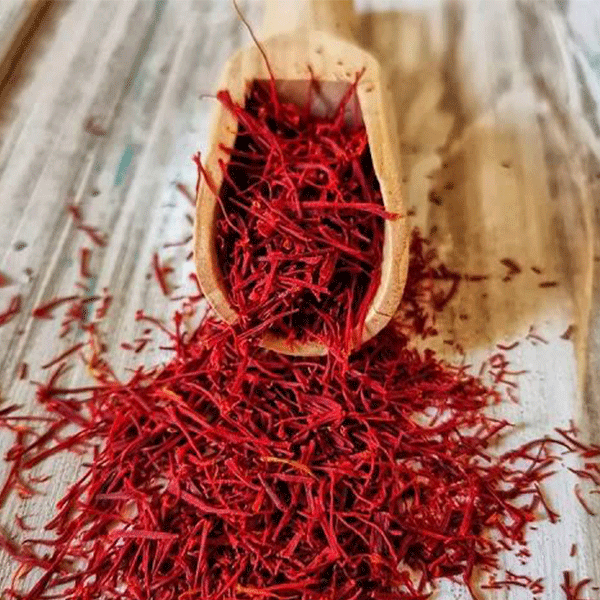
buy saffron wholesale
The Financial Reality of Wholesale Saffron for Restaurants
Let’s look at the math. Retail saffron can easily cost upwards of 10 to 15 per gram. When you buy in bulk (typically starting at 50 grams, 100 grams, or kilo increments), that price per gram drops significantly, often by 40% to 60%.
But the ROI goes beyond the initial price tag. Premium, authentic saffron has an incredibly high potency. A single gram of high-grade Super Negin can yield up to 50 to 70 vibrant servings of paella, risotto, or saffron-infused desserts. If you are buying cheap, low-grade saffron, your prep cooks will have to use twice as much to get half the flavor—completely wiping out any “savings” you thought you gained.
Saffron Business and Trade Guide: Saffron Trade
Saffron Grades Compared: What Should Your Kitchen Order?
| Saffron Grade | Visual Characteristics | Culinary Use Case | Price Tier |
|---|---|---|---|
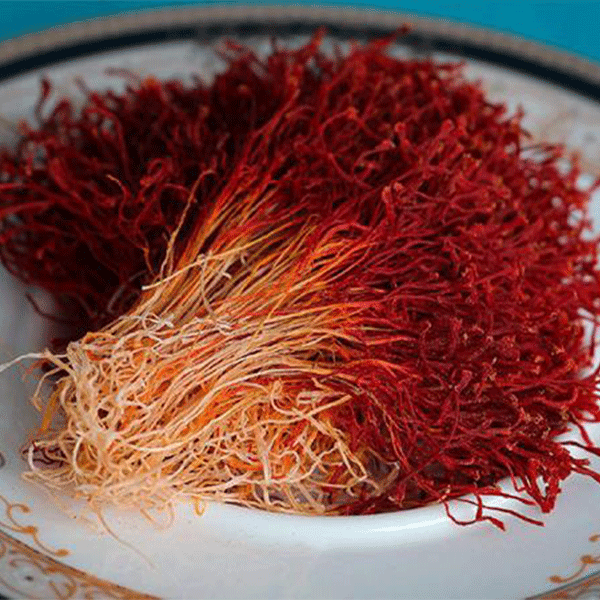
| Super Negin | Longest, thickest red threads. No yellow styles. Visually stunning. | Fine dining, high-end plating, clear broths where thread visibility matters. | Premium (Highest) |
| Negin | All red threads, slightly shorter than Super Negin. Excellent aroma. | High-volume upscale restaurants, paellas, risottos, premium baked goods. | High |
| Sargol | Shorter red tips. Crumbles easily. High coloring strength. | Commercial kitchens, spice blends, ice creams, sauces (where threads are blended). | Mid-Range (Best Value) |
| Pushal | Red stigmas with some yellow/orange tails attached. | Authenticity proof (the yellow tail proves it’s real), everyday restaurant use. | Economical |
If your dishes require visual presentation of the threads (like a garnish on a scallop), invest in Negin or Super Negin. If you are grinding the saffron to bloom in hot water for a massive batch of rice or a creamy sauce, Sargol is your most cost-effective powerhouse.
How to Test Your Wholesale Saffron Delivery
When a new wholesale batch arrives at your loading dock, don’t just sign the invoice and toss it in the dry storage. You need a standard operating procedure (SOP) to test it. Fraudsters often use dyed corn silk, safflower, or even paper shreds to fake saffron weight.
Here is the 3-step verification test you should teach your sous chefs:
The Cold Water Release Test: Drop 3-4 threads into a small glass of ice-cold water. Real saffron will slowly release a vivid, golden-yellow hue over 10 to 15 minutes, while the thread itself remains deep red. Fake saffron (dyed) will immediately bleed a deep crimson color into the water, and the thread will quickly turn white or translucent.
The Smell vs. Taste Test: Good saffron smells sweet (like floral honey and hay) but never tastes sweet. If you bite a thread and it tastes sweet or sugary, it has been sprayed with glycerin or sugar water to increase its sale weight. Real saffron tastes earthy, slightly bitter, and complex.
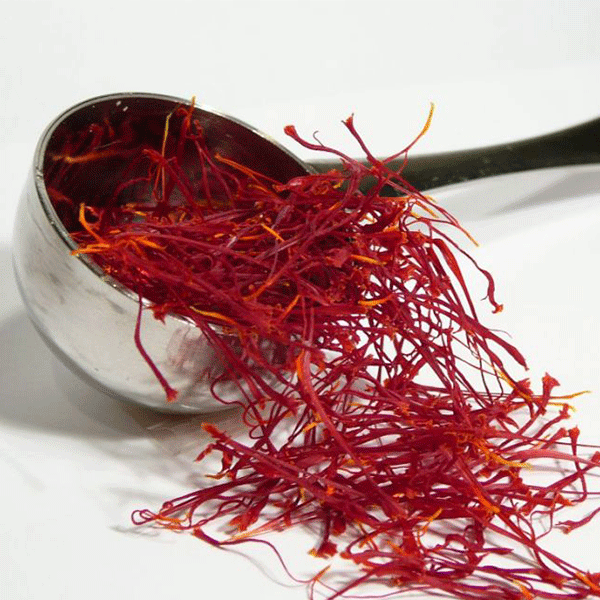
buy saffron wholesale
The Baking Soda Reaction: Mix a little baking soda in water and add the saffron. True saffron will turn the water a vibrant yellow. If it turns murky brown or red, you’ve been sold a counterfeit.
Buying Strategy: How to Choose a B2B Supplier
When searching for a wholesale partner, bypass the middlemen whenever possible. Look for suppliers who source directly from the origin (like the saffron fields of Khorasan).
More importantly, always ask for the ISO 3632 lab report.
ISO 3632 is the international standard for saffron quality. A legitimate wholesaler will readily provide a certificate of analysis detailing:
Crocin levels (Coloring strength – look for >250 for premium)
Safranal levels (Aroma)
Picrocrocin levels (Flavor/Bitterness)
If a supplier dodges the question about lab reports or ISO certification, take your restaurant’s budget elsewhere.
Records mentioned in this article
Frequently Asked Questions
When stored correctly in an airtight tin or dark glass jar, away from heat, light, and humidity, premium saffron retains its peak potency for 2 to 3 years. Never store it in a walk-in cooler or fridge, as the fluctuating condensation will ruin the threads.
Always buy whole threads for restaurant use. Saffron powder is incredibly easy to adulterate with turmeric, paprika, or brick dust. Buying threads allows you to verify authenticity. Your prep team can easily grind the threads in-house with a mortar and pestle and a pinch of coarse sugar or salt.
One gram of premium Negin saffron contains roughly 400 to 500 threads. A standard paella for four people requires about 10 to 15 threads. If you buy a wholesale ounce (28 grams) for 120,yourcostisroughly
4.28 per gram. At that rate, the actual saffron cost per plate drops to just a few cents, ensuring an massive profit margin on premium-priced dishes.