Navigating the complex saffron market requires knowing exactly what you are paying for—whether you need the visual perfection of Negin, the culinary yield of Sargol, or the guaranteed authenticity of Pushal. This insider’s guide breaks down each grade’s unique chemical and visual profile to help you maximize ROI for your manufacturing or retail product lines. Reach out today to optimize your premium agricultural sourcing strategy and secure a reliable supply chain.
Saffron at a Glance: Key Facts for Buyers & Businesses
| Category | Details |
|---|---|
| Botanical Name | Crocus sativus L. |
| Primary Origins | Iran (90%), Afghanistan, Spain, Kashmir (India), Greece |
| Active Compounds | Crocin (color), Picrocrocin (flavor), Safranal (aroma) |
| Grading Standards | ISO 3632 (Category I–III based on crocin, picrocrocin, safranal levels) |
| Common Grades | Sargol (all-red threads), Negin (premium long threads), Pushal (red + some yellow) |
| Retail Price Range (2026) | 8– 15/gram (premium), 500 – 500– 3,000/kg (bulk, B2B) |
| Key Quality Indicators | Deep red color, minimal yellow threads, strong aroma, moisture <12%, no additives |
| Shelf Life | 2–3 years (airtight, cool, dark storage) |
| Culinary Uses | Paella, risotto, Persian rice, desserts, teas |
| Health Benefits | Antioxidant, mood support, potential anti-inflammatory properties* |
| Buying Tips for Consumers | Buy threads (not powder), check ISO cert, test 2–3 threads in warm water |
| Sourcing Tips for Businesses | Request lab reports (ISO 3632), verify origin docs, sample before bulk orders |
Saffron at a Glance: Key Facts for Buyers & Businesses. Origin, grades, 2026 prices, and purity checks — the essentials for both home and bulk saffron buyers, in one table. Columns: Category, Details. Botanical Name — Crocus sativus L.. Primary Origins — Iran (90%), Afghanistan, Spain, Kashmir (India), Greece. Active Compounds — Crocin (color), Picrocrocin (flavor), Safranal (aroma). Grading Standards — ISO 3632 (Category I–III based on crocin, picrocrocin, safranal levels). Common Grades — Sargol (all-red threads), Negin (premium long threads), Pushal (red + some yellow). Retail Price Range (2026) — 8– 15/gram (premium), 500 – 500– 3,000/kg (bulk, B2B). Key Quality Indicators — Deep red color, minimal yellow threads, strong aroma, moisture <12%, no additives. Shelf Life — 2–3 years (airtight, cool, dark storage).
In my years of working closely with premium agricultural exports, I’ve seen countless buyers—from executive chefs to wholesale importers—get overwhelmed by the intricacies of the saffron market. Saffron isn’t just “red gold”; it is a deeply nuanced botanical product. When you are paying top dollar for the world’s most expensive spice, understanding exactly what you are buying isn’t just about culinary perfection—it is a critical business decision.
To truly understand saffron quality, we first need to look at the anatomy of the Crocus sativus flower. Each flower produces three stigmas (the threads). The tip of the stigma is a deep, vivid red, containing the highest concentration of crocin (the compound responsible for color and aroma). As the thread extends downward into the style, it turns yellow or white. How these threads are harvested, trimmed, and sorted determines the specific “grade” of the saffron.
Let’s break down the major commercial grades so you can make an informed, data-driven purchasing decision.
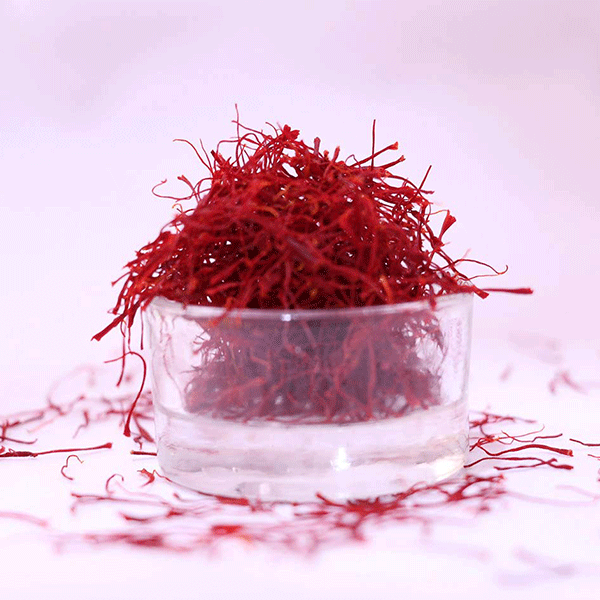
Saffron grades explained
1. Negin (and Super Negin): The Premium Benchmark
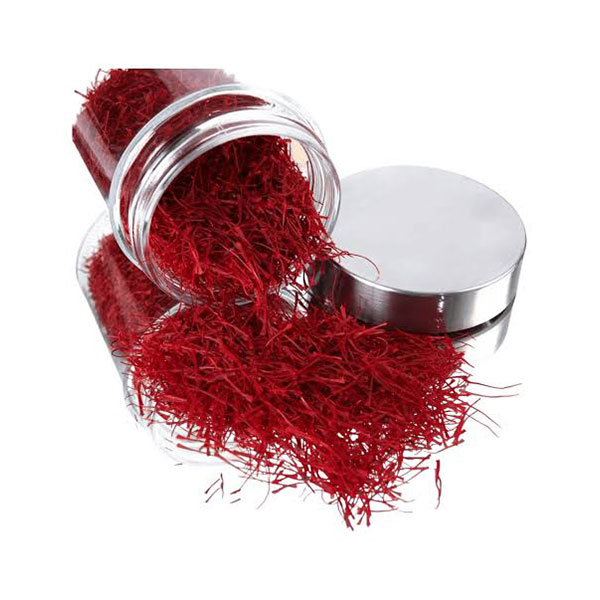
When you want maximum visual impact and the highest possible chemical potency, Negin is the answer. In Persian, Negin translates to “The Diamond on a Ring,” which perfectly describes its status in the market.
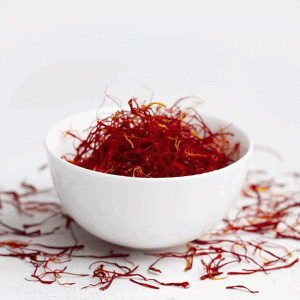
The Cut: Negin consists purely of the uppermost, thick, deep-red parts of the stigma. There is absolutely no yellow or white style attached.
The Experience: Because it contains the highest concentration of crocin (often exceeding a color reading of 250+ ISO 3632), it delivers a robust, immediate release of color and a potent, complex aroma.
Best For: High-end culinary applications, premium retail packaging, and pharmaceutical uses where exact chemical concentrations are required. Super Negin, a sub-category, is symmetrically cut and visually flawless, making it the most expensive grade available.
saffron
2. Sargol: The Culinary Standard
If you’ve ever bought high-quality saffron from a reputable specialty store, you likely purchased Sargol. Meaning “Top of the Flower,” this grade is highly sought after for its balance of quality and yield.
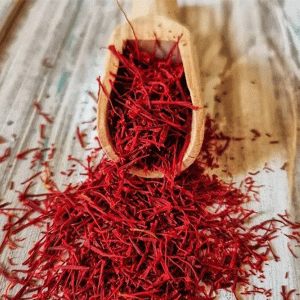
The Cut: Like Negin, Sargol consists of all-red stigma tips. However, the threads are typically slightly shorter and may contain a minor amount of broken or crumbly pieces resulting from the sorting process.
The Experience: It boasts an exceptionally strong color and flavor profile, nearly identical to Negin, but without the absolute structural perfection of Negin’s long, thick threads.
Best For: Restaurant kitchens, daily culinary use, and commercial food manufacturing where the final product’s flavor and color matter more than the visual length of the raw thread.
3. Pushal: The Authentic Choice
Pushal (meaning “straw-like”) is the grade I often recommend to first-time wholesale buyers who are highly concerned about authenticity. Why? Because the presence of the yellow style makes it virtually impossible to counterfeit.
The Cut: Pushal threads contain the red stigma attached to about 2 to 3 millimeters of the yellow style.
The Experience: While the overall color strength per gram is slightly lower than Negin or Sargol (due to the presence of the yellow tails, which hold no dye), the red portions still deliver magnificent flavor and aroma.
Best For: Mid-tier retail, buyers concerned with proving authenticity, and traditional recipes where the whole thread is steeped over time.
Saffron Business & Trade Guide: Choosing the Best Type of Saffron
Saffron Grade Comparison Matrix
| Saffron Grade | Visual Profile | Color Strength (ISO 3632) | Ideal Buyer |
|---|---|---|---|
| Super Negin | Long, thick, 100% all-red threads. Visually flawless. | 260 – 280+ (Exceptional) | Luxury retail, High-end B2B gifting, Pharma |
| Sargol | Shorter, 100% all-red threads. May contain broken tips. | 240 – 260 (Excellent) | Fine dining restaurants, Food manufacturers |
| Pushal | Red stigma with 2-3mm of yellow style attached. | 220 – 240 (Very Good) | Value retail, Distributors focused on authenticity |
Which Saffron Grade Should You Buy?
When advising B2B clients on sourcing, I always walk them through a multi-step decision framework.
If you are packaging the saffron in clear glass jars for luxury retail, you need Super Negin. The visual impact justifies the premium cost. If the saffron is going straight into a commercial blender for an extract or a paella base, Sargol is a much more cost-effective choice.
The saffron supply chain can be murky. If you lack the laboratory equipment to test ISO 3632 parameters and are buying from a new supplier, Pushal offers peace of mind. Fraudsters rarely bother (or manage) to fake the delicate transition from the red stigma to the yellow style.
If you want every milligram of what you purchase to contribute directly to color and flavor, avoid the yellow tails. Sargol will give you the best return on investment for purely culinary bulk use.
Records mentioned in this article
Frequently Asked Questions
Super Negin is the ideal choice. It consists of long, thick, 100% all-red threads with no yellow style attached, providing maximum visual appeal and the highest crocin (color) levels.
Sargol offers the same intense color and flavor as Negin but is more cost-effective. The shorter or slightly broken threads don’t matter in food production where saffron is typically ground or dissolved anyway.
Pushal threads retain 2-3mm of the natural yellow style attached to the red stigma. This natural gradient from red to yellow is extremely difficult for counterfeiters to fake, making it a safe choice for authenticity.