Discover how saffron journeyed from its Middle Eastern origins through ancient trade routes to become the culinary backbone of European classics like Paella, Risotto, and Bouillabaisse. Drawing on my experience in global spice origins, I break down regional flavor profiles and the essential metrics—like Crocin and Safranal—needed to verify true authenticity. Whether you are perfecting a recipe or sourcing premium “red gold” for your business, explore these expert insights and reach out to secure transparent, high-quality B2B procurement.
Saffron at a Glance: Key Facts for Buyers & Businesses
| Category | Details |
|---|---|
| Botanical Name | Crocus sativus L. |
| Primary Origins | Iran (90%), Afghanistan, Spain, Kashmir (India), Greece |
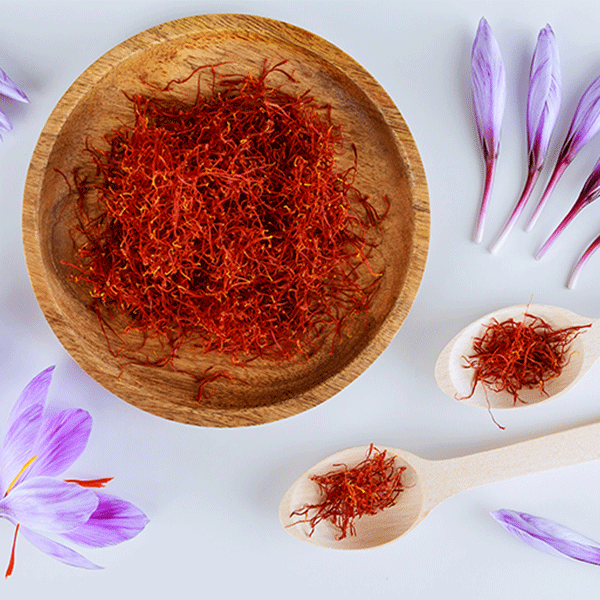
| Active Compounds | Crocin (color), Picrocrocin (flavor), Safranal (aroma) |
| Grading Standards | ISO 3632 (Category I–III based on crocin, picrocrocin, safranal levels) |
| Common Grades | Sargol (all-red threads), Negin (premium long threads), Pushal (red + some yellow) |
| Retail Price Range (2026) | 8– 15/gram (premium), 500 – 500– 3,000/kg (bulk, B2B) |
| Key Quality Indicators | Deep red color, minimal yellow threads, strong aroma, moisture <12%, no additives |
| Shelf Life | 2–3 years (airtight, cool, dark storage) |
| Culinary Uses | Paella, risotto, Persian rice, desserts, teas |
| Health Benefits | Antioxidant, mood support, potential anti-inflammatory properties* |
| Buying Tips for Consumers | Buy threads (not powder), check ISO cert, test 2–3 threads in warm water |
| Sourcing Tips for Businesses | Request lab reports (ISO 3632), verify origin docs, sample before bulk orders |
Saffron at a Glance: Key Facts for Buyers & Businesses. Origin, grades, 2026 prices, and purity checks — the essentials for both home and bulk saffron buyers, in one table. Columns: Category, Details. Botanical Name — Crocus sativus L.. Primary Origins — Iran (90%), Afghanistan, Spain, Kashmir (India), Greece. Active Compounds — Crocin (color), Picrocrocin (flavor), Safranal (aroma). Grading Standards — ISO 3632 (Category I–III based on crocin, picrocrocin, safranal levels). Common Grades — Sargol (all-red threads), Negin (premium long threads), Pushal (red + some yellow). Retail Price Range (2026) — 8– 15/gram (premium), 500 – 500– 3,000/kg (bulk, B2B). Key Quality Indicators — Deep red color, minimal yellow threads, strong aroma, moisture <12%, no additives. Shelf Life — 2–3 years (airtight, cool, dark storage).
When you look at the vibrant, golden hue of a classic Spanish Paella or an authentic Italian Risotto alla Milanese, you are witnessing centuries of global trade, cultural exchange, and culinary evolution. In my years of analyzing agricultural trade and working closely with the origins of premium spices, I’ve found that understanding how an ingredient traveled often tells you exactly why it holds such immense value today.
Saffron didn’t just appear in European kitchens overnight. Its integration into European cuisine was a complex, multi-layered process driven by empires, merchants, and the undeniable allure of its unique flavor and color.
The Silk Road, Moors, and Crusaders: The First Steps
If we want to trace the exact route saffron took to reach European soil, we have to look at three main historical catalysts.
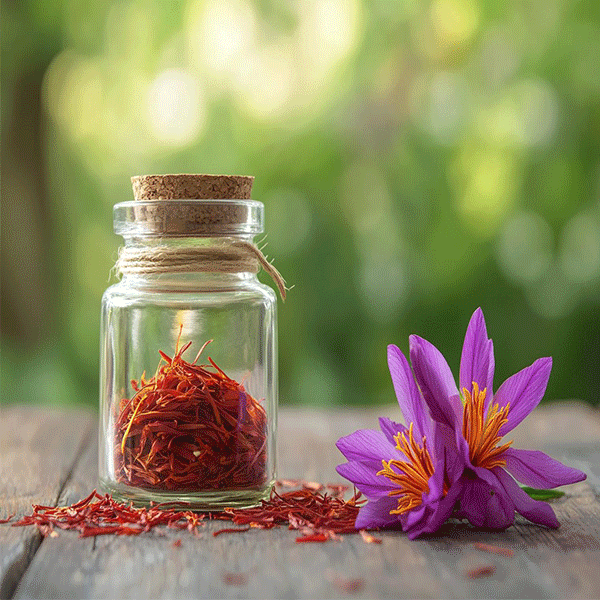
Saffron history in Europe
First, the Moors played the most direct role. When they expanded into the Iberian Peninsula (modern-day Spain) in the 8th century, they brought their agricultural practices with them. They planted Crocus sativus (the saffron crocus) in the La Mancha region, which still remains one of the most famous saffron-producing areas in Europe today.
Second, the Crusaders returning from the Middle East in the 11th to 13th centuries brought back exotic spices, including saffron, introducing it to northern and western Europe. They had developed a taste for the heavily spiced dishes of the East and wanted to replicate them back home.
Finally, the Venetian Merchants controlled the spice trade during the Middle Ages and the Renaissance. Venice became the gateway for saffron entering Italy and eventually spreading across the continent, solidifying its status as a luxury commodity.
Saffron Culture & Facts: The History and Secrets of Cooking
European vs. Middle Eastern Saffron Utilization
| Feature | Middle Eastern / Persian Cuisine | European Cuisine |
|---|---|---|
| Primary Application | Rice dishes (Tahdig), marinades (Joojeh Kebab), and traditional teas/desserts. | Seafood broths, creamy risottos, and specific baked goods (like Swedish Lussebullar). |
| Flavor Pairing | Rose water, cardamom, pistachios, and sumac. | Garlic, white wine, butter, fennel, and Mediterranean seafood. |
| Brewing Method | Ground with sugar/salt and steeped over ice or hot water before adding to food. | Often steeped directly in warm broth, wine, or milk before incorporation. |
The Holy Trinity of European Saffron Dishes
When users search for saffron in Europe, they are usually trying to perfect one of these iconic, decision-making recipes. How did saffron become the star of these specific dishes?
1. Spanish Paella Valenciana
Introduced by the Moors, saffron found its natural home alongside the rice cultivated in the Valencia region. In Paella, saffron isn’t just for color; its earthy, slightly oceanic aroma bridges the gap between the land (rabbit, chicken) and the sea (in seafood variations).
2. Italian Risotto alla Milanese
Legend has it that in 1574, a stained-glass window apprentice working on the Duomo di Milano, known for using saffron to color his paints yellow, decided to add it to the rice at his master’s wedding. The result was a rich, golden, buttery masterpiece that became a staple of Northern Italian cuisine.
3. French Bouillabaisse
In the port city of Marseille, fishermen used local rockfish to make a humble stew. Saffron, arriving via Mediterranean trade routes, was added to elevate the broth. Today, a true Bouillabaisse is legally required (by local culinary charters) to contain saffron, acting as a crucial flavor profile that cuts through the rich fish stock.

Saffron history in Europe
Sourcing Saffron for the Modern European Market
As a B2B buyer, chef, or culinary enthusiast, buying saffron can be daunting due to the high rate of adulteration in the market. When sourcing saffron for European-style dishes, consider the following multi-step verification process:
Check the Crocin Levels: Crocin is responsible for the color. High-quality saffron should yield a bright, translucent yellow when steeped, not an immediate murky red (which indicates dye).
Assess the Aroma (Safranal): It should smell like sweet hay and honey, but it should not taste overwhelmingly sweet.
Verify the Origin: While Spain packages a massive amount of saffron, a significant portion is imported from the Middle East (specifically Iran and Afghanistan) and repacked. Understanding the origin and source ensures you are paying fair market value for pure Sargol or Negin cuts.
Records mentioned in this article
Frequently Asked Questions
It was primarily introduced through the 8th-century Moorish expansion into Spain, and its trade was later expanded by the Crusaders and Venetian merchants during the Renaissance.
Three iconic dishes that depend on saffron are Spanish Paella Valenciana, Italian Risotto alla Milanese, and French Bouillabaisse.
Buyers should test for high levels of Crocin (which determines the vibrant color) and Safranal (which indicates a strong, authentic aroma).