Clinical research reveals that the active compounds in premium saffron—crocin and safranal—serve as potent, natural alternatives to traditional SSRIs for managing depression and anxiety. By adhering to a clinically backed 30 mg daily dosage, you can achieve significant mood enhancements without the typical pharmaceutical side effects. Dive into our comprehensive guide to understand the exact therapeutic protocols and discover why authentic sourcing is critical to your wellness success.
For centuries, saffron has been prized as a luxury spice, a culinary masterpiece, and a natural dye. But recently, a different kind of conversation has been dominating wellness circles and clinical research alike: Can saffron actually help with depression and anxiety?
Having spent years analyzing agricultural products and their market applications, I’ve seen firsthand how traditional remedies are often validated by modern science. Saffron is no exception. Beyond its distinct aroma and vibrant color, this “red gold” is proving to be a formidable ally in mental health management.
Let’s dive into the evidence, compare it with traditional treatments, and figure out if adding saffron to your daily routine makes sense for your mental well-being.
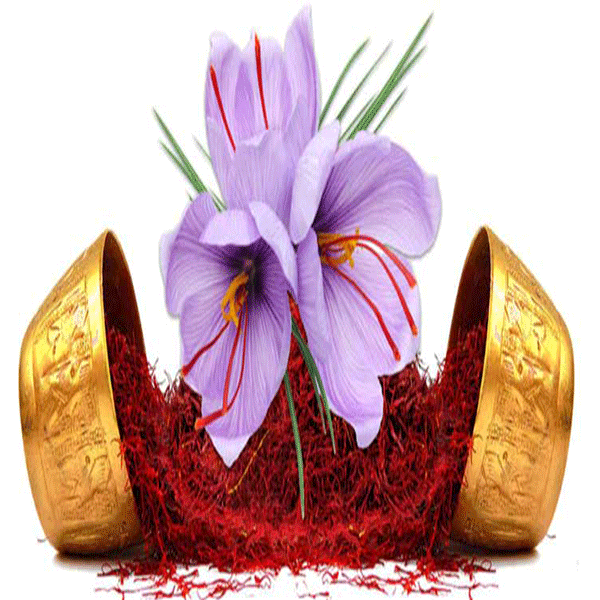
Saffron for depression
The Science: How Saffron Affects the Brain
When we talk about saffron for depression, we aren’t relying on folklore. The therapeutic effects of saffron are primarily driven by two active compounds: Crocin and Safranal.
Crocin is responsible for saffron’s red color and has been shown to protect the brain from oxidative stress.
Safranal gives saffron its unique aroma and interacts directly with the brain’s neurotransmitters.
Clinical studies suggest that these compounds help keep levels of dopamine, norepinephrine, and serotonin higher in the brain. This mechanism is remarkably similar to how conventional antidepressants (like SSRIs) work, helping to stabilize mood and reduce symptoms of mild to moderate depression.
Saffron vs. Traditional Antidepressants: A Practical Comparison
One of the biggest decision-making hurdles for anyone dealing with anxiety or depression is choosing the right intervention. Can a spice really replace a prescription? While no natural remedy should replace medical advice, comparing saffron to standard SSRIs helps clarify its role as a complementary or alternative option.
| Comparison Factor | Saffron Extract (Natural) | SSRIs (Pharmaceutical) |
|---|---|---|
| Mechanism of Action | Boosts serotonin & dopamine naturally via Crocin & Safranal. | Inhibits the reuptake of serotonin in the brain. |
| Efficacy | Effective for mild to moderate depression/anxiety. | Standard treatment for moderate to severe clinical depression. |
| Side Effects | Minimal. Very rarely causes dry mouth or minor dizziness. | Can cause weight gain, emotional blunting, and sexual dysfunction. |
| Accessibility | Over-the-counter (supplements, raw threads). | Requires a doctor’s prescription and ongoing monitoring. |
How to Use Saffron for Anxiety and Depression
If you’re ready to test the waters, execution matters. Simply eating paella once a month won’t cut it. To experience the mood-boosting benefits, you need a consistent, therapeutic dose.
Saffron Supplements (Extracts): This is the most reliable method. Clinical trials generally use 30 mg of high-quality saffron extract per day (often split into two 15 mg doses). Look for supplements standardized to contain specific percentages of crocin and safranal.
Saffron Tea: For a more ritualistic approach, steep 4 to 5 high-quality saffron threads in hot water for 10-15 minutes. Drinking this daily can offer a calming routine that actively combats daytime anxiety.
Culinary Integration: While harder to measure for therapeutic doses, consistently adding real saffron to warm milk, rice, or stews supports overall wellness.
Records mentioned in this article
Frequently Asked Questions
Unlike a cup of coffee, saffron isn’t an instant fix. Most clinical studies report noticeable improvements in mood and anxiety levels after 4 to 6 weeks of consistent daily supplementation.
While saffron is natural, it is potent. If you are currently taking SSRIs or other mood-altering medications, you must consult your healthcare provider first. Combining them can risk serotonin syndrome, a rare but serious condition caused by too much serotonin in the brain.
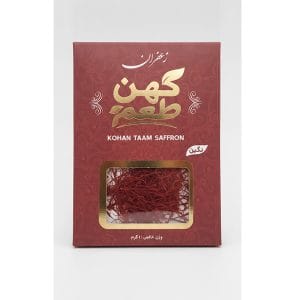
Absolutely. The concentration of active compounds relies heavily on soil, climate, and harvesting techniques. High-grade Iranian or Spanish saffron generally yields the best clinical profiles compared to cheaper, adulterated alternatives.