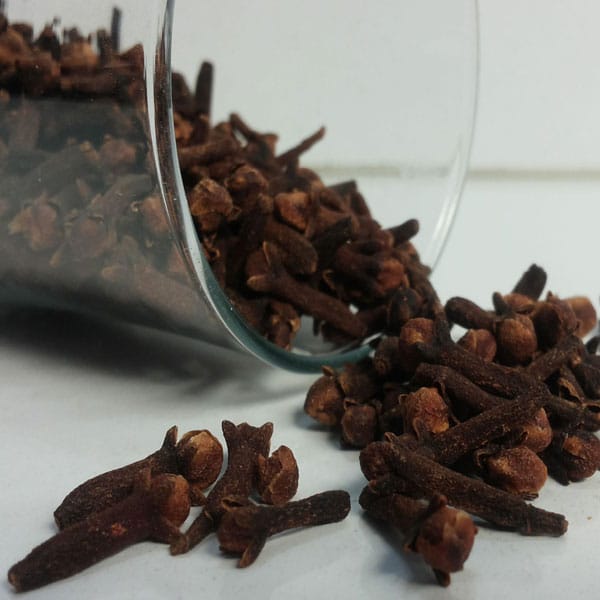
Open a jar of whole cloves and the smell arrives before you have even tilted the lid: warm, sharp, a little medicinal, and strangely sweet underneath. It is a smell so familiar from mulled wine, baked ham and chai that it is easy to forget it once ranked among the most contested substances on earth. In the seventeenth century, the Dutch East India Company, known as the VOC, set out to own the entire world supply of cloves, and it spent decades, fortunes and a great many lives trying. The story of Dutch East India Company cloves is usually told as a story of ruthless success. It is better understood as a story of a monopoly that never quite closed, and the reasons it failed still explain why a tiny jar of cloves costs what it does today.
Why Cloves Were Worth Fighting Over
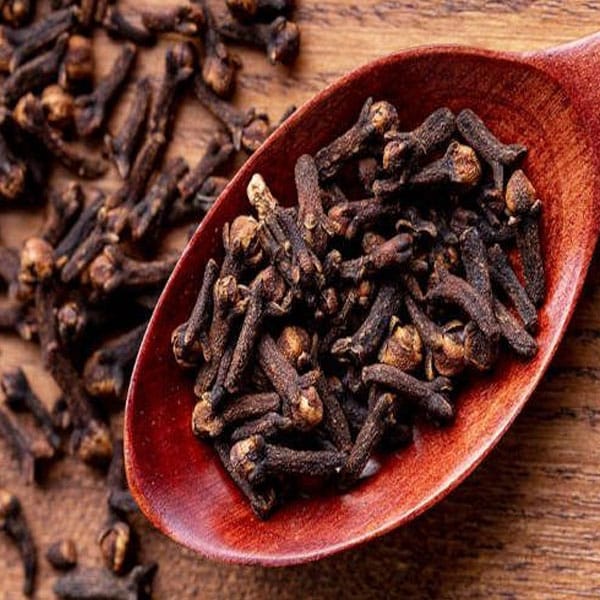
Before refrigeration, a spice that could mask spoilage, flavor heavy meats and, according to the medicine of the time, protect against illness was worth far more than its weight in anything else a merchant could carry. Cloves are the dried, unopened flower buds of a tropical evergreen, and their punch comes largely from eugenol, the same compound that makes them a traditional remedy for toothache. For centuries, buyers in Europe, India and the Middle East knew cloves arrived from somewhere impossibly far away and paid accordingly, without any idea where the trees actually stood.
They stood in the northern Maluku islands of eastern Indonesia: Ternate, Tidore, Motir, Makian and Bacan, small volcanic cones that rise steeply out of warm seas. For most of history, the sultanates there sold cloves to Javanese, Malay, Chinese and Arab traders, who carried them west through a chain of middlemen, each adding a margin. When Portuguese ships arrived in the early 1500s and the Dutch followed a century later, the prize was obvious: skip the middlemen, control the source, and set the price yourself.
dutch east india company cloves
How the Dutch East India Company Set Out to Own Cloves
The VOC was founded in 1602 as a chartered company with the powers of a small state: it could build forts, raise soldiers, sign treaties and wage war. Its directors had a simple theory of profit. Spice prices in Amsterdam stayed high only if supply stayed scarce, and supply stayed scarce only if one buyer controlled every ship leaving the islands.
The Dutch pushed the Portuguese out of Ambon in 1605 and began signing exclusive supply contracts with local rulers, including the Sultan of Ternate. On paper, these agreements looked like the end of the story. A ruler promised to sell cloves to the VOC alone, the VOC promised protection and a fixed price, and everyone else was supposed to be turned away at the beach.
In practice, a contract with a sultan and control of a coastline are very different things, and the Dutch learned that slowly and expensively.
The Banda Lesson: Why Nutmeg Was Easy and Cloves Were Not
To see why the clove monopoly leaked, you have to look at the spice the Dutch did manage to control. Nutmeg and mace grew in just a handful of tiny islands in the Banda group, a place you could walk across in an afternoon. If you wanted to control nutmeg, you needed to control a few thousand acres. You can read how brutally that was achieved in our piece on the five islands, where the geography of Banda makes the whole story click: small, defensible, and almost impossible to hide a harvest in.
In 1621, Jan Pieterszoon Coen’s forces conquered Banda with enormous violence, depopulating much of the islands and replacing the local growers with enslaved labor on plantations run by Dutch planters. Because nutmeg was concentrated in so small a place, a monopoly enforced by force was at least imaginable. The English handed over their last foothold on the nutmeg island of Run in 1667, famously in exchange for recognition of their claim to a Dutch-held island on the other side of the Atlantic called Manhattan.
Cloves were a different animal entirely. They did not grow in one place; they grew across many islands, in forest gardens, in the yards of villages, along coastlines that stretched for hundreds of miles. The trees were also hardy, long-lived and easy to hide. A monopoly depends on one factor above all others: that your competitors cannot get the product. With cloves scattered across dozens of islands and thousands of small owners, the Dutch could not watch every beach, and everyone on the beach knew it.
dutch east india company cloves
Burning the Trees: The Extirpation Policy
The Dutch response was drastic. If they could not control every clove tree, they would reduce the number of places where cloves could be grown at all. From the mid-1600s, the VOC concentrated official clove cultivation on Ambon and a few nearby islands, which were easy to garrison, and set out to destroy trees everywhere else. Armed fleets of fast local rowing warships, known as hongi expeditions, sailed through the islands each year to cut down clove trees in places the Company had not licensed.
The sultans were paid compensation for the trees that were destroyed, which turned rulers into partners in the destruction of their own wealth, and which also bred deep resentment. The policy, known as extirpation, worked in the narrow sense that it reduced the supply of cloves from outside Dutch control. It failed in the sense that mattered most: it pushed the people who had lost their livelihoods into the arms of every rival who was willing to buy a bag of cloves without asking questions.
The Leak That Could Not Be Plugged
Wherever there is a gap between an official price and a market price, someone will cross it. Traders from Makassar on Sulawesi were the most famous, carrying cloves out of the islands in small, fast boats and selling them to English, Danish, Portuguese and Asian buyers. The Dutch eventually broke Makassar’s power in the late 1660s, but smuggling did not end; it simply changed hands.
Think about what the Company was really trying to do: patrol a sea made of thousands of islands, with limited ships, against buyers who were willing to pay more than the Dutch offered. Every harvest produced a few boats that slipped through, and every few boats taught the next sailor that it could be done. Dutch officials wrote repeatedly about the problem, and the Company spent enormous sums on enforcement. The more it spent, the lower the profit from the monopoly became, until the price of protecting it began to approach the value of what it protected.
The Seedlings That Broke the Monopoly
The decisive blow came not from a rival fleet but from a gardener’s patience. In the 1750s and 1760s, the French administrator Pierre Poivre, who had spent years trying to get his hands on spice plants, finally arranged for clove and nutmeg seedlings to be taken from the Dutch-controlled region and carried to the French island of Mauritius, and from there to other French colonies. By the early 1770s, clove trees were growing outside the Moluccas for the first time in recorded history.
dutch east india company cloves
From there, the spread was gradual but unstoppable. Cloves took root in Réunion, in the Seychelles and, most importantly, in Zanzibar and Pemba off the coast of East Africa, where they were planted on a massive scale in the early nineteenth century under the rule of the Omani sultanate. For much of the nineteenth century, Zanzibar became the world’s leading source of cloves, a position the Dutch had spent two centuries trying to hold for themselves.
The lesson is blunt: a monopoly on a plant lasts only until someone carries a seed away, and no navy has ever managed to inspect every pocket.
What This Story Teaches You About Buying Cloves Today
The geography of cloves has never really recentered. Indonesia remains a major producer, and a surprisingly large share of its crop is consumed at home, in clove-flavored kretek cigarettes. Madagascar, Zanzibar, Sri Lanka and the Comoros round out the list of important origins. If you want to understand what that means for a single jar, the clove entry in the clove record lays out the origins and varieties in more detail.
For cooking, a few practical points are worth knowing:
Buy whole, not ground. Ground cloves lose their volatile oils quickly, and a jar that has sat in a cupboard for a year tastes of dust and little else. Whole buds keep their power far longer.
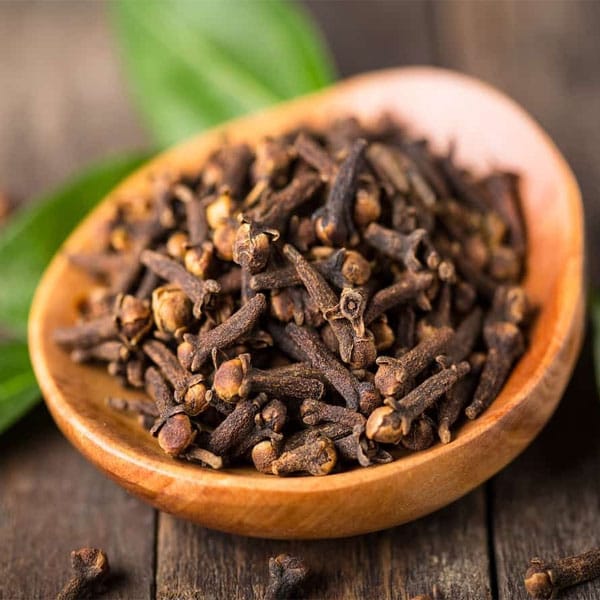
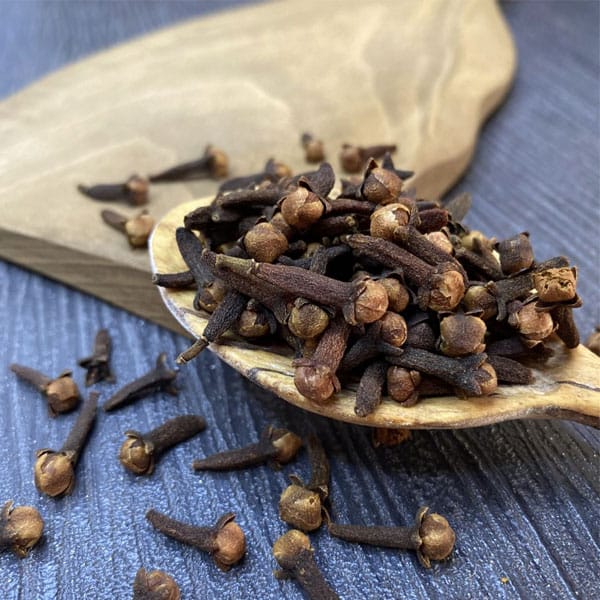
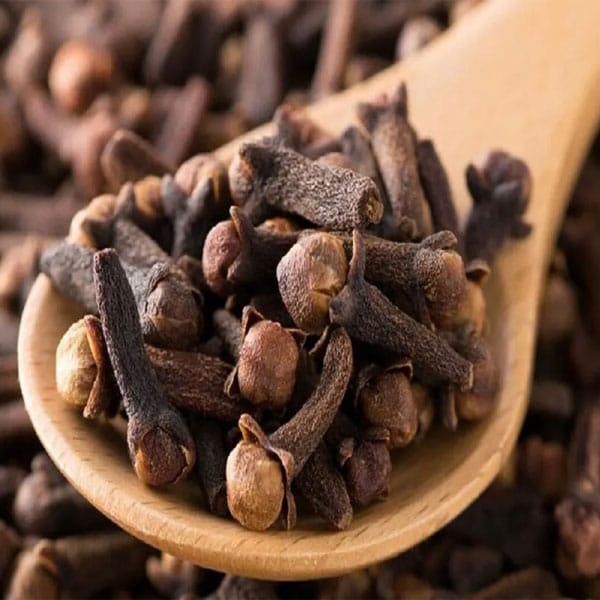
Look for plump, dark-brown buds with intact heads. The round head should still be attached to the stem, and the bud should feel oily rather than brittle.
Try the nail test. Press a fingernail into the stem of a bud. A fresh clove should release a little oil and a strong smell. If nothing happens, the spice has probably faded.
Store in an airtight jar away from heat and light. A cupboard beside the stove is the worst place in the kitchen, however convenient it feels.
Use less than you think. Clove is potent enough to dominate a dish, and four or five buds can flavor a whole pot of rice or a mulled wine for a table.
dutch east india company cloves
Simple Ways to Taste the History
If you want to cook something that connects you to this story, start with a pot of basmati rice cooked with a few whole cloves, a cinnamon stick and a bay leaf, and notice how the clove sits quietly under the other flavors instead of shouting over them. Stud an orange with cloves and simmer it in red wine with sugar and a strip of lemon peel for a winter drink. Add two buds to a chicken stock, or press a handful into the scored fat of a glazed ham. In each case, remove the whole cloves before serving, because biting into one is not a pleasant surprise.
The story of Dutch East India Company cloves is a reminder that scarcity is fragile when the product is a living thing. The Dutch could dominate a small island, but they could not dominate a spice that grew on dozens of coastlines and travelled in the pockets of sailors, merchants and gardeners. The next time you drop a bud into a pot, you are tasting the one spice that outlasted an empire’s attempt to own it.
Records mentioned in this article

Frequently Asked Questions
Not completely. They controlled the official trade and the main cultivation on Ambon for long stretches, but smuggling never stopped, and the monopoly was broken in the eighteenth century when seedlings left the region.
Nutmeg grew in a very small cluster of islands that could be conquered and guarded. Cloves grew across many islands and in countless small gardens.
There was no single culprit. Smugglers weakened it for a century, and French planters, led by Pierre Poivre, ended it by establishing clove trees outside the Moluccas.