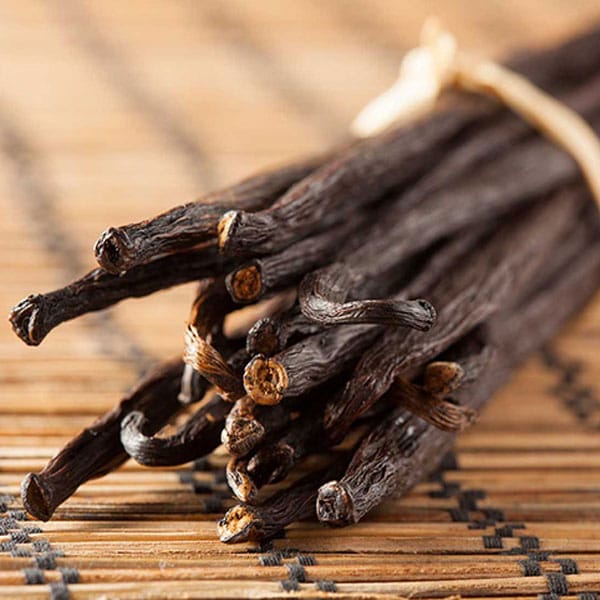
Open your pantry, and you will almost certainly find it: a small bottle of dark, intensely fragrant liquid, or perhaps a glass jar holding a few shriveled, dark brown pods. Vanilla is so ubiquitous in our modern kitchens, baked goods, and perfumes that “vanilla” has unfairly become a synonym for ordinary or plain. Yet, the true story of this remarkable spice is anything but plain.
To truly appreciate the flavor that dominates the global dessert landscape, we have to explore the complex vanilla history origin. It is a saga of ancient empires, guarded biological secrets, colonial ambition, and a brilliant botanical discovery by a young mind that permanently shifted the world’s agricultural map.
The Ancient Roots
For centuries, vanilla was a fiercely guarded secret of Mesoamerica. Long before European ships ever crossed the Atlantic, the indigenous Totonac people of Mexico’s eastern coast—in the region of modern-day Veracruz—were the first to cultivate the Vanilla planifolia orchid.
To the Totonacs, vanilla was not merely a crop; it was a sacred gift from the gods. Their mythology tells the tragic and beautiful story of Princess Xanat, who fled to the forest with her mortal lover because her father forbade their marriage. Upon their capture and execution, it was said that a delicate vine with exquisitely fragrant flowers grew exactly where their blood touched the earth.
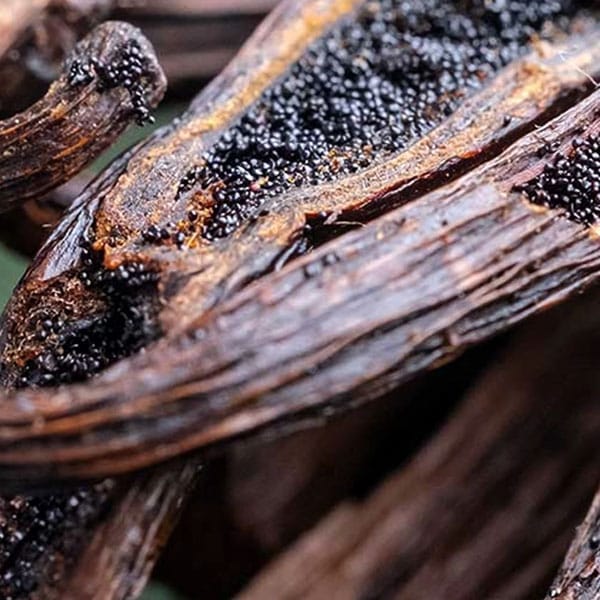
vanilla history origin
When the Aztecs later conquered the Totonacs in the 15th century, they too fell in love with the intoxicating aroma. The Aztecs demanded vanilla—which they called tlilxochitl, meaning “black flower”—as a tribute. They famously used it to flavor xocolatl, the bitter cacao drink reserved for nobility and warriors. For hundreds of years, Mesoamerica remained the sole custodian of this extraordinary flavor.
The Spanish Conquest and the Botanical Mystery
In the early 16th century, Spanish conquistador Hernán Cortés arrived in the Aztec capital. Upon witnessing Emperor Montezuma consuming the vanilla-scented chocolate beverage, Cortés recognized its immense value. He brought both cacao and vanilla back to Europe, where they quickly captivated the royal courts of Spain, France, and England.
European aristocrats couldn’t get enough of the exotic aroma, leading to an insatiable demand. Consequently, European botanists and empire builders attempted a logical next step: transplanting the vanilla vines to other tropical colonies to break the Mexican monopoly.
They successfully transported the cuttings to botanical gardens in Paris and London, and subsequently to tropical islands like Mauritius and Réunion in the Indian Ocean. The vines thrived. They grew beautifully, wrapping themselves around host trees and producing magnificent pale green flowers.
But there was one agonizing problem: the vines almost never produced the precious vanilla pods.
For nearly 300 years, botanists were completely baffled. They could grow the plant, but they could not harvest the spice. What they did not realize was that they had left a crucial piece of the puzzle back in Mesoamerica: the Melipona bee.
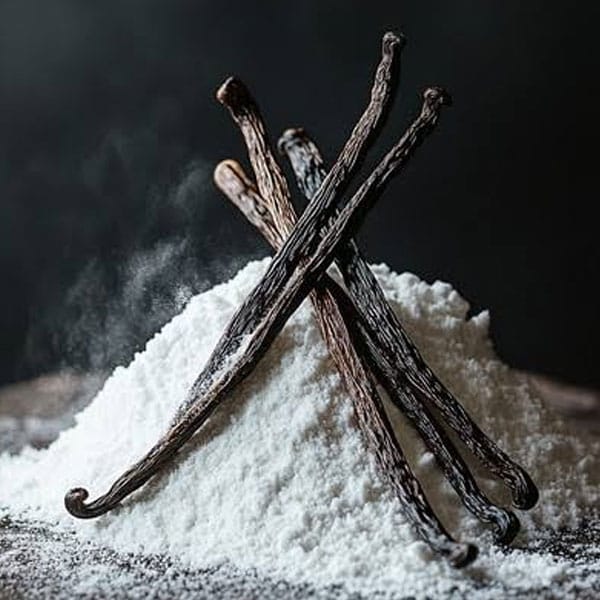
The vanilla orchid flower opens for only a few hours on a single day of the entire year. In its native Mexico, the tiny, stingless Melipona bee—and occasionally certain hummingbirds—were the only creatures equipped to penetrate the flower’s complex structure and pollinate it. Without this specific pollinator, the flowers simply withered and died, producing no fruit. Mexico’s natural monopoly seemed completely unbreakable.
vanilla history origin
The Breakthrough in the Indian Ocean
The solution to this centuries-old mystery did not come from an esteemed European botanist or a wealthy colonial landowner. Instead, it came from an enslaved 12-year-old boy on the French island of Réunion (then known as Île Bourbon).
In 1841, Edmond Albius discovered a practical method for hand-pollinating the vanilla orchid. Using nothing more than a thin sliver of bamboo or a blade of grass, he realized he could gently lift the membrane separating the male and female parts of the flower (the rostellum) and press them together with his thumb.
This delicate, precise, and entirely manual process bypassed the need for the Mexican Melipona bee. If you want to dive deeper into this fascinating human triumph, you can read the full story of Edmond Albius, the boy who made vanilla possible. His technique was swiftly adopted across the island and soon spread to neighboring territories.
The Rise of Bourbon Vanilla
Albius’s hand-pollination technique shattered the Mexican monopoly and changed the global economy of spices forever. With the biological barrier removed, the French aggressively expanded vanilla cultivation across their Indian Ocean territories.
The tropical climate, rich volcanic soil, and available labor force on these islands proved to be the perfect environment for Vanilla planifolia. The industry grew at a staggering pace. To understand the scale of this botanical shift, consider this historical milestone: by 1898, Madagascar, Réunion, and the Comoros Islands produced about 200 tons of cured vanilla beans. This massive yield represented a staggering 80% of the world’s total vanilla production at the time.
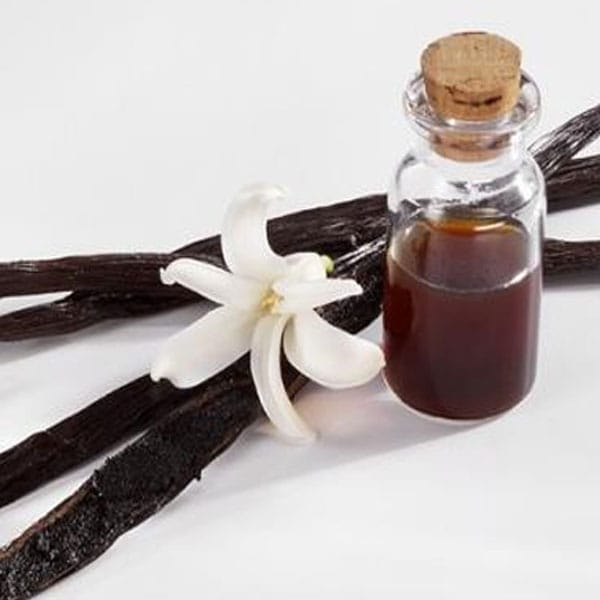
The Indian Ocean had officially dethroned Mexico as the vanilla capital of the world. The beans produced in this region became known as “Bourbon vanilla” (named after Île Bourbon), a term that is still synonymous with the highest quality vanilla today. The legacy of this massive agricultural migration is still highly visible in modern markets, which explains why half of the world’s vanilla goes to Madagascar even today.
vanilla history origin
From Royal Luxury to Global Commodity
Today, vanilla remains one of the most labor-intensive agricultural crops in the world. Every single flower must still be pollinated by hand, exactly as it was done in 1841. The vines must be carefully monitored, and the curing process—which involves blanching, sweating, drying, and conditioning the green pods over several months—requires immense skill and patience.
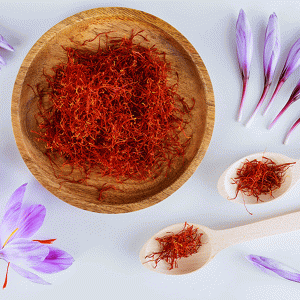
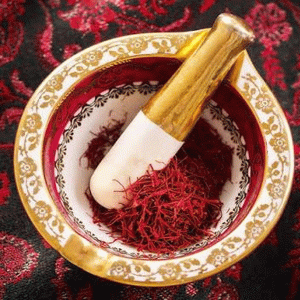
This incredible labor footprint is why real vanilla is the second most expensive spice in the world, trailing only behind saffron.
While Mexico, the birthplace of vanilla, still produces exceptional quality beans today, its output is vastly overshadowed by Madagascar, Indonesia, and Uganda. The journey from a sacred Mesoamerican vine to a global flavor powerhouse is a testament to human ingenuity and our endless pursuit of extraordinary tastes.
For businesses and consumers looking to source authentic pods today, understanding this history is the first step in recognizing true quality. You can explore our complete origin of vanilla guide to learn more about sourcing, grading, and selecting the finest vanilla beans available on the market.
Records mentioned in this article
Frequently Asked Questions
While the vanilla orchid vine could grow in other tropical climates, it could only produce vanilla bean pods in Mexico because of the Melipona bee. This specific stingless bee was the only natural pollinator capable of navigating the complex structure of the vanilla flower. Without it, the flowers would not bear fruit.
Madagascar’s rise to dominance began in the late 19th century after the hand-pollination technique was invented in neighboring Réunion. The French colonial government introduced the vines to Madagascar, where the ideal tropical climate, rich soil, and dedicated farming communities allowed the crop to flourish, eventually overtaking Mexico’s production completely by 1898.
“Bourbon Vanilla” does not contain bourbon whiskey. The term refers to vanilla beans grown in the Indian Ocean islands—specifically Madagascar, Réunion, and the Comoros. It is named after Réunion Island, which was historically known as Île Bourbon. Today, it is a geographic indicator of high-quality Vanilla planifolia.