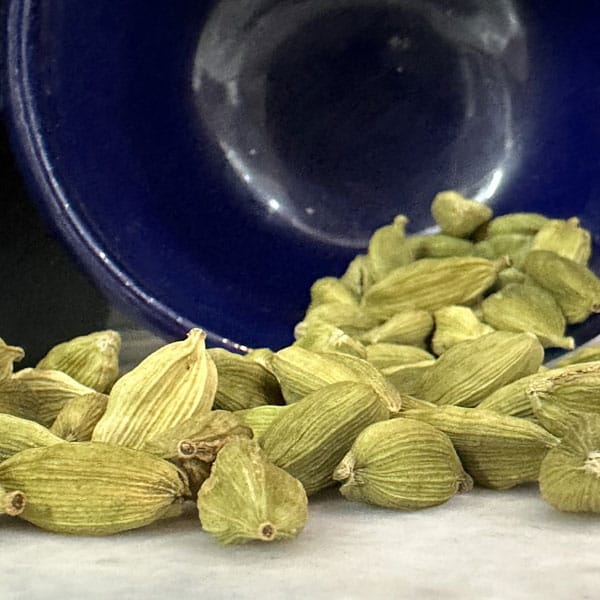
As a spice sourcing expert, I’ve spent years analyzing the quality, essential oil profiles, and market dynamics of the world’s finest spices. Cardamom, often hailed as the “Queen of Spices,” is celebrated globally for its intoxicating aroma and digestive benefits. However, in the commercial spice trade and holistic health communities alike, we frequently see a “more is better” mindset.
While adding a few pods to your tea or biryani is perfectly safe, consuming concentrated cardamom extracts, excessive amounts of ground powder, or chewing too many raw pods can lead to adverse bodily reactions. Before you dive deep into understanding cardamom’s origin and comprehensive profiles, it is crucial to understand the hidden side effects that nobody warns you about.
Can Cardamom Make You Sick?
One of the most common misconceptions is that because a spice is good for digestion, taking a massive amount will cure digestive issues instantly. In reality, the high concentration of essential oils in cardamom (like cineole and terpinyl acetate) can severely irritate the mucosal lining of your stomach and intestines.
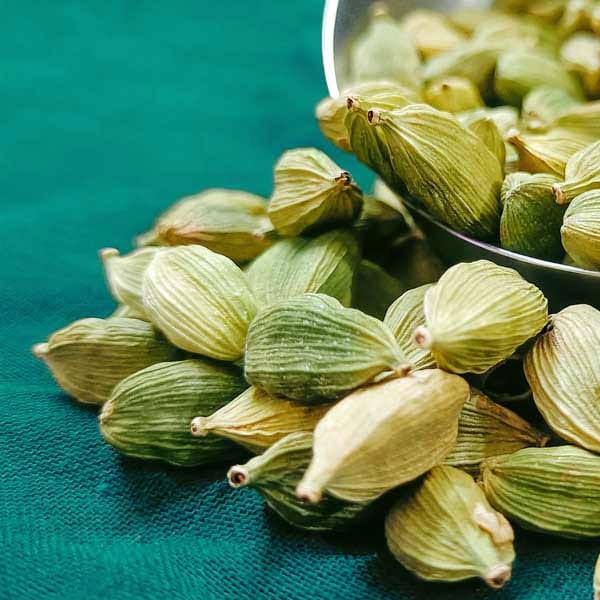
can cardamom cause kidney stones
Can cardamom make you sick? Yes. If consumed in large quantities—especially on an empty stomach—cardamom can trigger acute nausea, stomach cramps, and acid reflux. The strong volatile oils overstimulate the gastric glands, causing a feeling of uneasiness rather than relief.
Can Cardamom Cause Diarrhea or Constipation?
Cardamom is a known antispasmodic, meant to soothe the gut. But what happens when you overdose?
Can cardamom cause diarrhea? Absolutely. When you consume too much, the body treats the excessive essential oils as an irritant. Your digestive tract speeds up its motility to flush the compound out, resulting in loose stools or sudden diarrhea. We often see this when people start consuming highly concentrated cardamom supplements without proper guidance.
Can cardamom cause constipation? While less common than diarrhea, it is entirely possible. Cardamom has natural diuretic properties. If you consume heavy amounts of cardamom tea without increasing your water intake, you risk mild dehydration. When your body lacks water, the colon pulls moisture from your stool, leading to unexpected constipation.
Can Cardamom Cause Kidney Stones?
This is a highly searched query and a significant concern for those with a history of renal issues. Many spices contain oxalates, which bind with calcium to form kidney stones.
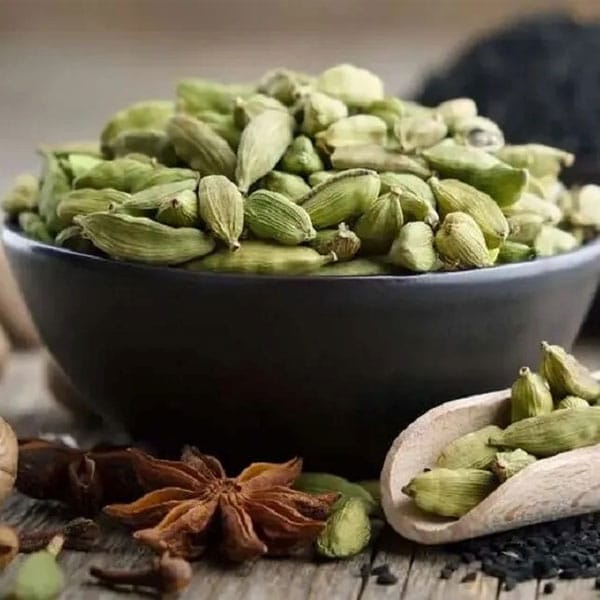
So, can cardamom cause kidney stones? Direct consumption of normal culinary amounts of cardamom does not cause kidney stones, as its oxalate content is relatively low compared to spices like turmeric or cinnamon. However, the risk lies in its diuretic nature.
can cardamom cause kidney stones
Cardamom promotes frequent urination. If you are consuming therapeutic doses of cardamom but failing to hydrate adequately, your urine becomes highly concentrated. Concentrated urine creates the perfect environment for calcium and oxalates (from other foods in your diet) to crystallize and form stones. To prevent this, managing your daily intake is non-negotiable. If you are unsure about your limits, I highly recommend reading our detailed guide on how much cardamom per day is safe.
The Blood Pressure Drop
Beyond the gut and kidneys, cardamom has a profound effect on the cardiovascular system. It is scientifically proven to have hypotensive properties, meaning it naturally relaxes blood vessels.
While this is excellent for general cardiovascular health, it becomes a severe side effect if you are already taking prescription medication for hypertension. Combining pharmaceutical beta-blockers or ACE inhibitors with high doses of cardamom can cause your blood pressure to plummet to dangerously low levels, leading to dizziness, fainting, and fatigue. To understand the exact mechanics behind this interaction, check out our deep dive into does cardamom lower blood pressure.
Why Quality Matters
Not all side effects are caused by the spice itself. In our sourcing experience, cheap, adulterated cardamom—often coated with artificial green dyes or mixed with dust and impurities during poor harvesting—can cause allergic reactions, skin rashes, and respiratory issues. Always ensure you are sourcing pure, high-grade pods.
Reference:
https://www.rxlist.com/cardamom/supplements.htm
Records mentioned in this article
Frequently Asked Questions
Yes. Chewing too many raw cardamom pods at once releases a massive, un-diluted burst of volatile oils that can irritate your stomach lining, leading to immediate nausea or heartburn.
Yes. Because cardamom accelerates digestion and stimulates gastric juices, consuming it in large doses or concentrated extract forms can overwhelm the digestive tract and trigger diarrhea.
Yes, drinking 1-2 cups of mildly brewed cardamom tea daily is generally safe for most people. However, you must drink plenty of plain water alongside it to counteract its diuretic effects and avoid dehydration.