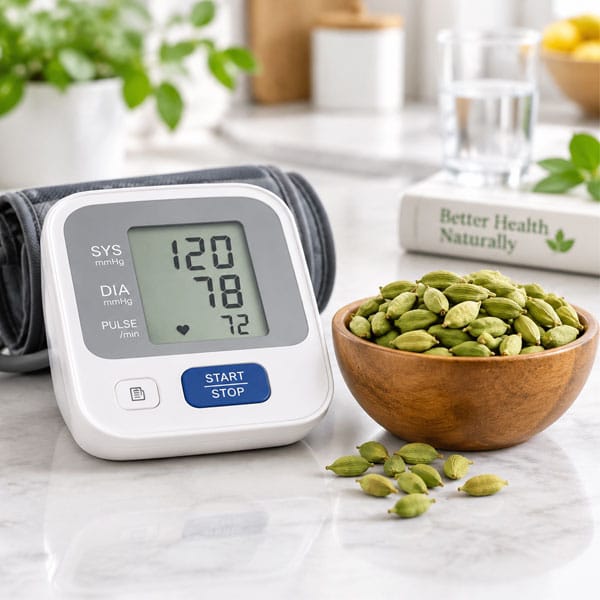
If you’ve ever enjoyed a cup of authentic chai or tasted traditional Middle Eastern pastries, you know the warm, complex flavor of cardamom. But beyond its culinary prestige as the “Queen of Spices,” cardamom has been quietly gaining attention in the scientific community for a much more crucial reason: cardiovascular health.
As more people seek natural adjuncts to their wellness routines, a common question arises: does cardamom lower blood pressure in a meaningful, clinically proven way?
The short answer is yes—science indicates that it can. However, understanding how it works, what the clinical trials actually say, and its limitations is essential before treating your spice rack as a medicine cabinet. Here is what the latest research reveals.
Can Cardamom Lower Blood Pressure?
When exploring natural remedies, we have to look past folklore and dig into clinical trials. The most frequently cited evidence regarding cardamom and hypertension comes from a landmark study published in the Indian Journal of Biochemistry & Biophysics.
Researchers took 20 individuals who were newly diagnosed with primary stage 1 hypertension (meaning their blood pressure was elevated, but they were not yet on medication). For 12 weeks, the participants were given three grams of cardamom powder daily.
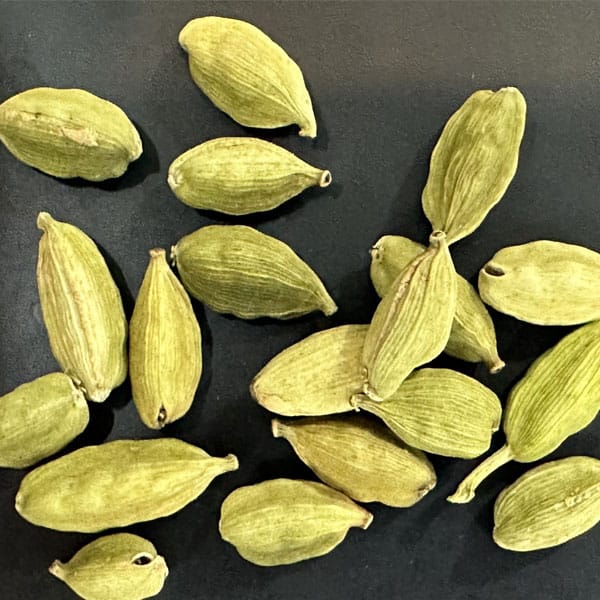
does cardamom lower blood pressure
The results were highly encouraging:
Significant Reduction: By the end of the 12 weeks, participants saw a significant decrease in systolic, diastolic, and mean blood pressure.
Antioxidant Boost: The study noted a 90% increase in the participants’ antioxidant status.
No Side Effects: There were no reported adverse side effects on kidney or liver function.
How Does the Spice Work?
Researchers attribute cardamom’s blood pressure-lowering effects to two primary mechanisms:
Diuretic Effect: Cardamom promotes urination, which helps the body flush out excess fluid and sodium. This reduces the volume of blood pushing against the arterial walls, naturally lowering pressure.
Antioxidant and Anti-inflammatory Action: The spice is rich in phytonutrients and antioxidant compounds (like cineole and limonene). These compounds help scavenge free radicals, reducing oxidative stress and relaxing blood vessels, which improves overall blood flow.
While the science is promising, this spice should never replace prescribed hypertension medications. Always consult with a cardiologist before altering your treatment plan.
Does Cardamom Lower Blood Sugar Too?
Cardiovascular health and metabolic health are deeply connected. People managing high blood pressure often wonder about their glucose levels, leading to the question: does cardamom lower blood sugar as well?
Research suggests that cardamom positively impacts metabolic syndrome. A study involving overweight and obese pre-diabetic women showed that supplementing with green cardamom significantly decreased inflammatory markers and positively influenced blood glucose metabolism.
While it is not a cure for diabetes, the active compounds in cardamom help improve insulin sensitivity and reduce the chronic inflammation that often drives high blood sugar. By stabilizing metabolic markers, cardamom offers a two-pronged approach to supporting both heart and metabolic health.
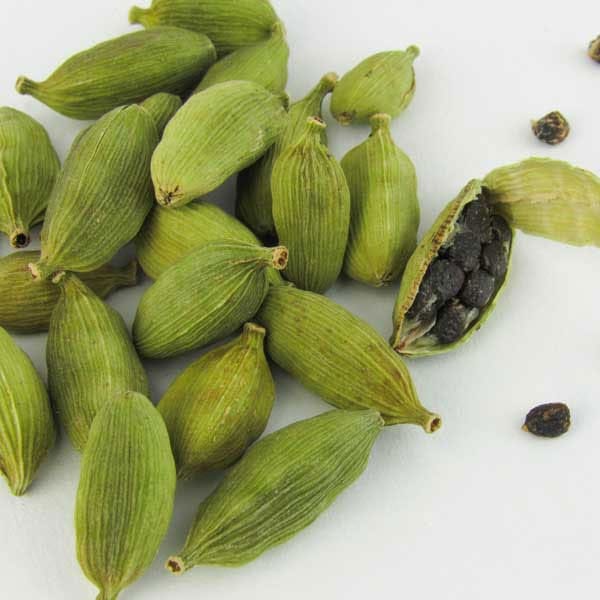
does cardamom lower blood pressure
How to Incorporate Cardamom for Heart Health
Seeing the research is one thing; applying it is another. If you want to harness these benefits, consistency is key. The participants in the clinical trials didn’t just have a pinch of cardamom once a month; they consumed it daily.
However, because cardamom is incredibly potent, you must get the dosage right. Taking too much can lead to digestive discomfort. To understand the exact, safe measurements used in therapeutic settings, be sure to read our detailed guide on how much cardamom to consume per day.
Practical tips for daily use:
Steep it: Lightly crush 2-3 green cardamom pods and steep them in hot water or green tea.
Blend it: Add a pinch of high-quality cardamom powder to your morning oatmeal, smoothie, or coffee.
Chew it: In many Eastern cultures, chewing on a single pod after meals is a common practice for digestion and oral health.
For those serious about the quality and therapeutic potency of their spices, sourcing matters. The essential oil content (which contains the active medicinal compounds) varies wildly depending on where and how the spice was grown. Dive into our cardamom origins and sourcing guide to ensure you are buying genuine, high-grade pods rather than depleted commercial substitutes.
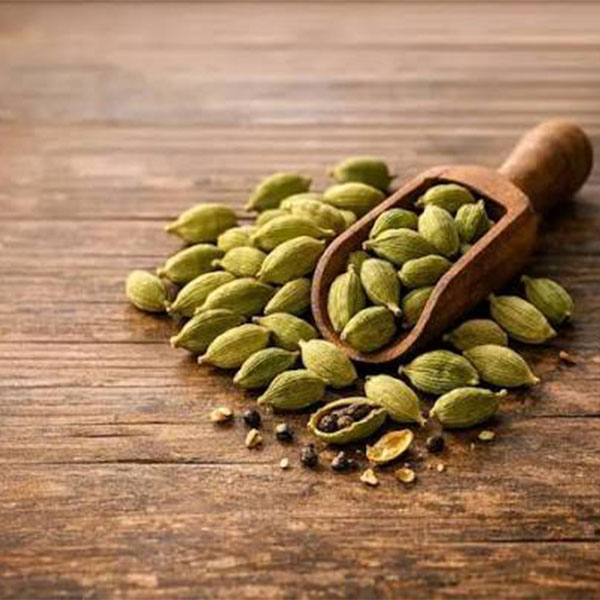
does cardamom lower blood pressure
A Broader Look at Spices and Blood Pressure
Cardamom isn’t the only spice with cardiovascular credentials. If you are exploring a holistic, culinary approach to heart health, you might be curious about other premium botanicals. For instance, we often get asked, does saffron lower blood pressure? Interestingly, research shows that saffron also possesses unique vasodilating properties that run parallel to cardamom’s benefits.
The research is clear: cardamom is more than just a flavor enhancer. Through its diuretic properties and rich antioxidant profile, clinical evidence shows that it can effectively lower blood pressure in individuals with stage 1 hypertension. Furthermore, its ability to help regulate blood sugar makes it a powerful ally against metabolic syndrome.By sourcing high-quality pods and using them consistently within safe limits, you can easily add a science-backed, heart-healthy habit to your daily routine.
Reference:
https://pmc.ncbi.nlm.nih.gov/articles/PMC10804083
Records mentioned in this article
Frequently Asked Questions
Clinical research, including a notable study published in the Indian Journal of Biochemistry & Biophysics, suggests that consuming 3 grams of cardamom powder daily for 12 weeks can significantly decrease blood pressure in individuals with stage 1 hypertension. However, it is best to start with smaller culinary amounts to see how your body reacts.
Cardamom acts as a natural diuretic, promoting urination to help the kidneys remove excess sodium and water from your body, which relieves pressure on blood vessel walls. Furthermore, its rich profile of antioxidants and anti-inflammatory compounds helps neutralize free radicals and protects cardiovascular tissues from oxidative stress.
While cardamom is perfectly safe as a spice in your daily meals, taking concentrated medicinal doses (like 3 grams daily) alongside prescribed antihypertensive drugs can potentially cause your blood pressure to drop too low (hypotension). Always consult your healthcare provider before adding high doses of cardamom to your routine if you are on medication.