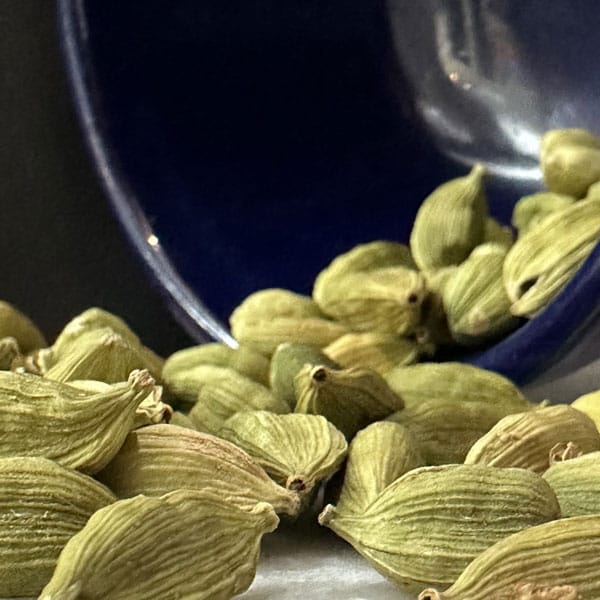
As the third most expensive spice in the world, right behind saffron and vanilla, cardamom is a prime target for food fraud. When you are sourcing spices, either for personal culinary use or wholesale distribution, the high value of this “Queen of Spices” means you are constantly walking a minefield of adulteration.
At OriginAndSource, we have analyzed spice supply chains extensively. We’ve found that dealing with adulterated cardamom is incredibly similar to the challenges faced in the saffron trade (which you can read more about in our real vs fake saffron guide). Unscrupulous suppliers have developed clever ways to manipulate the pods, making cheap, exhausted stock look like premium cargo.
Here is an insider’s look at how the market produces fake cardamom, and exactly how you can perform a foolproof cardamom quality check to ensure you are getting what you paid for.
The Dirty Tricks: How Cardamom is Adulterated
When we talk about “fake” cardamom, we rarely mean plastic or completely synthetic pods. Instead, adulteration usually involves tampering with the natural spice to artificially inflate its weight, appearance, or perceived grade.
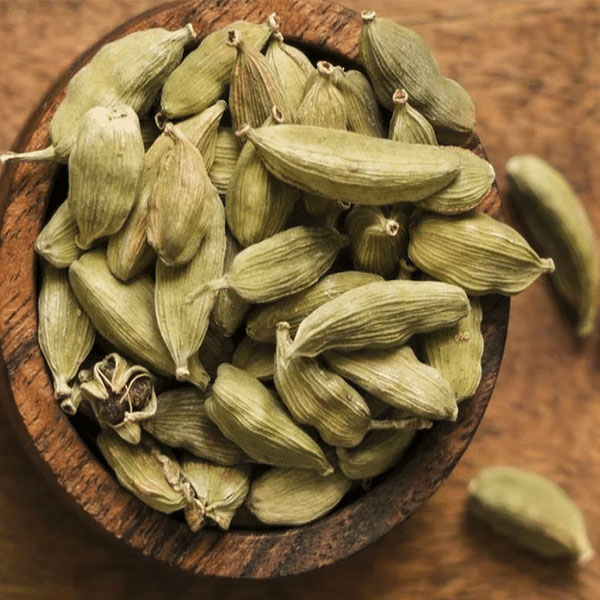
cardamom quality check
Here are the most common methods of cardamom adulteration:
1. “Exhausted” Cardamom (The Essential Oil Theft)
This is the most common and hardest-to-detect scam for beginners. Suppliers extract the valuable essential oils from the cardamom pods using steam distillation to sell to the perfume and cosmetics industry. The remaining pods—which look almost identical to intact ones but have zero aroma or flavor—are then dried, sometimes coated in a little oil to look fresh, and sold to unsuspecting buyers.
2. Artificial Coloring (The Green Dye Scam)
The highest market value is placed on vibrant, deep green pods. As cardamom ages, it naturally fades to a pale yellow or brownish color. To sell old or sun-baked pods as cardamom high quality, fraudulent sellers tumble the pods in artificial green dyes. In some unregulated markets, these dyes contain toxic chemicals like Malachite Green.
3. Blending with Inferior Varieties
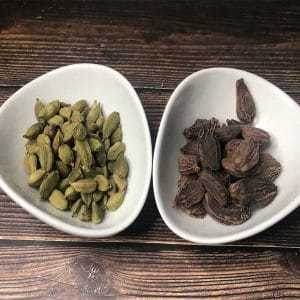
True cardamom (Elettaria cardamomum) has a complex, sweet, and highly aromatic profile. Dishonest brokers often mix premium Indian or Guatemalan green cardamom with cheaper, larger wild varieties (like Nepal cardamom) or even empty husks to increase the bulk weight. To understand the differences in size, color, and origin standards, I highly recommend reviewing our detailed guide on cardamom grades explained.
4. Adding Foreign Matter
Because cardamom is sold by weight, every gram counts. It is not uncommon to find bags laced with fine silica sand, heavy dust, or excessive stems and twigs.
The Sourcing Expert’s Cardamom Quality Check
You do not need a laboratory to catch bad cardamom. Sourcing experts rely on sensory evaluations to separate the good from the fraudulent. Here is how you can perform a professional cardamom quality check right in your kitchen or warehouse.
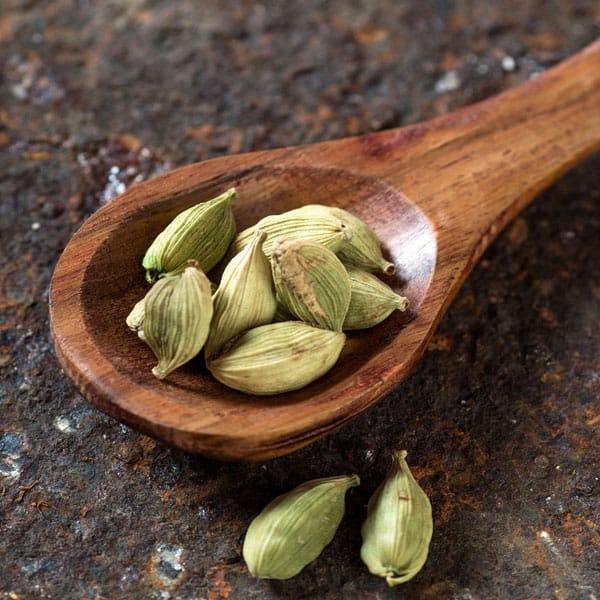
cardamom quality check
The Visual & Tactile Test
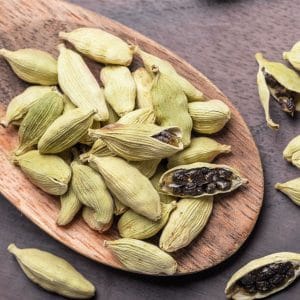
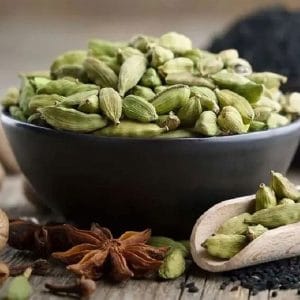
First, look at the pods. Cardamom best quality should have a uniform, natural olive-to-bright green color. It should not look like it was painted with a neon highlighter.
The Rub Test: Take a few green pods and rub them vigorously between your moist palms. If a green tint transfers to your skin, the pods have been artificially dyed.
The Plumpness Test: Give the pod a gentle squeeze. Premium pods are plump and firm. If the pod crushes easily like dry paper, it is either empty or an exhausted husk.
The Seed Inspection (The Ultimate Proof)
The true value of cardamom lies in its seeds, not the outer pod. Crack open a pod with your fingernails.
Real, Premium Quality: The seeds inside should be dark brown or black, slightly sticky to the touch (due to the volatile oils), and tightly clustered together.
Adulterated/Fake: If the seeds are pale, light brown, dry, powdery, or completely missing, you are looking at exhausted or severely aged cardamom.
The Aroma and Taste Profile
Take the seeds you just extracted and crush them. The aroma should be immediately pungent, camphoraceous, and sweet. If you have to put your nose right up to the seeds to smell anything, or if they smell faintly of dusty wood, the essential oils have been extracted.
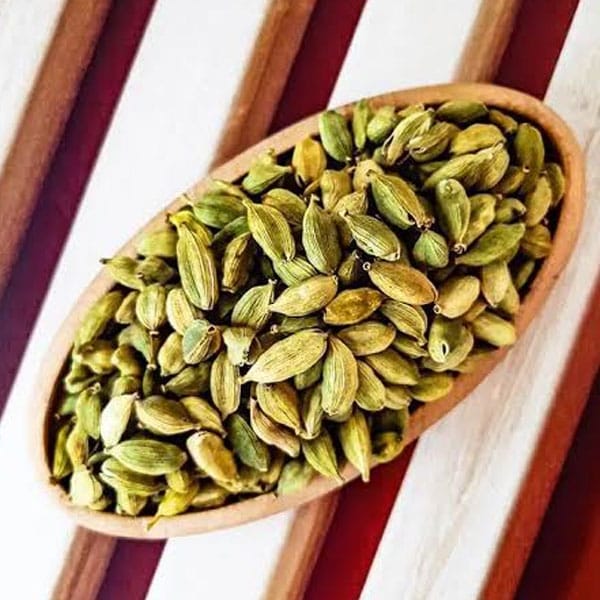
cardamom quality check
Understanding the “Cardamom Original Price”
One of the biggest red flags in spice sourcing is a price that seems too good to be true. Growing and harvesting cardamom is incredibly labor-intensive. Each pod must be hand-picked at the precise moment of maturity before it splits open on the plant.
Because of this intensive labor, the cardamom original price at the farm gate is inherently high. If a supplier is offering you a batch at 40% below the standard market rate, you are not getting a good deal—you are buying exhausted pods, dyed old stock, or mixed grades. Paying a fair market price to transparent suppliers is the only way to guarantee you are receiving the medicinal and culinary benefits of the true spice.
The spice trade is built on trust, but verified by testing. Whether you are buying a small jar for baking or negotiating a ton for commercial distribution, always insist on sampling the product first.
By applying these sensory checks and understanding the true cost of cultivation, you can protect yourself from the rampant fraud in the spice market. For a complete overview of global suppliers, farming practices, and sourcing contacts, visit our central directory on cardamom.
Records mentioned in this article