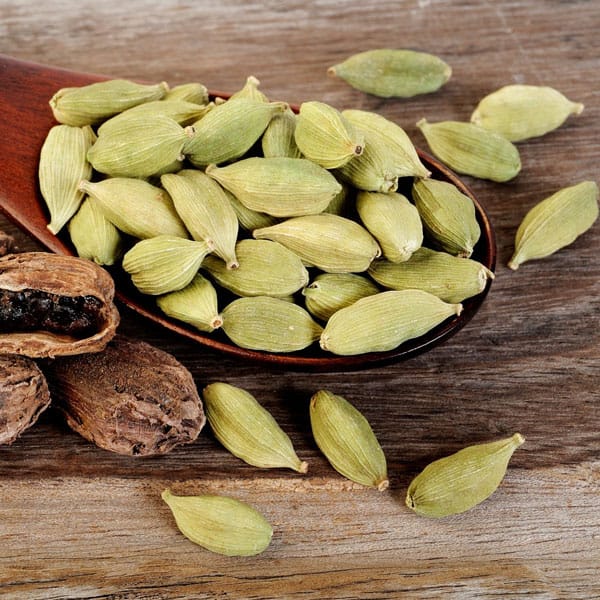
When sourcing premium spices, buyers often use the words “origin” and “source” interchangeably. In the complex world of the global spice trade, however, this is a costly mistake. Nowhere is this distinction more critical—and more dramatic—than in the cultivation of green cardamom (Elettaria cardamomum).
If you want to understand cardamom production in world markets today, you must first understand the great geographical divide: the place where a botanical species was born versus the place that has mastered its mass agricultural output.
This article explores the distinct difference between the genetic birthplace of the “Queen of Spices” and the modern powerhouses that supply our global demand.
The Global Paradox: Origin vs. Source
In sourcing, Origin refers to a plant’s native terroir—the precise ecosystem where it evolved naturally over millennia, developing its baseline genetic profile, indigenous processing traditions, and historical reputation. Source, on the other hand, is the current geographic location from which the commodity is commercially supplied, often driven by favorable economics, introduced agriculture, and massive export infrastructure.
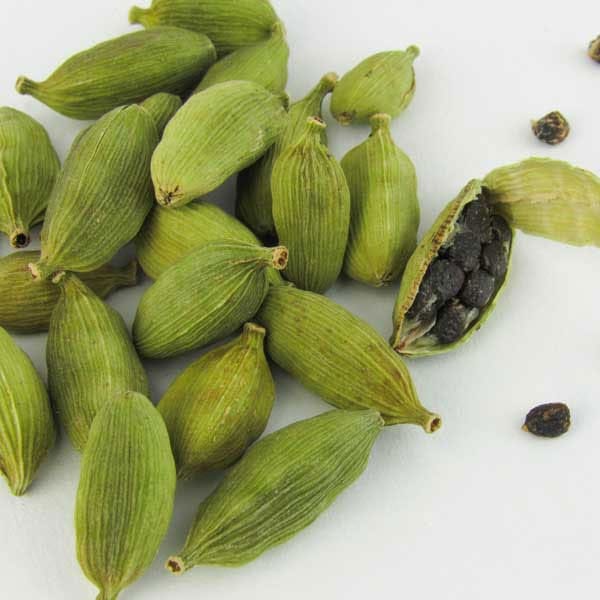
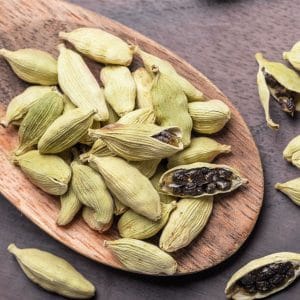
cardamom production by country
For cardamom, this creates a fascinating market dynamic. To truly master spice procurement, professionals must navigate the tension of a botanical native to India, yet predominantly produced by Guatemala. Understanding this shift is the key to assessing price, flavor profile, and quality in today’s supply chain.
Cardamom Production by Country: The Major Players
While it is the third most expensive spice in the world (trailing only saffron and vanilla), cardamom requires highly specific growing conditions: tropical, humid climates, high altitudes (usually between 600 to 1,500 meters), and loamy, acidic soil under a canopy of shade.
Here is how cardamom production by country breaks down across the globe.
1. Guatemala: The Modern Commercial Source
When analyzing cardamom exporting countries, Guatemala sits unchallenged at the top of the throne. Despite not having a single native cardamom plant before 1914—when a German coffee planter named Oscar Majus Kloeffer introduced the seeds—Guatemala is now the absolute epicenter of global supply.
Cardamom production in Guatemala accounts for roughly 60% to 70% of the world’s total output. The Alta Verapaz region, specifically around Cobán, offers the perfect climatic mirror to India’s Western Ghats: heavy rainfall, high elevation, and dense cloud forests.
Market Role: Guatemala provides the sheer volume required to satisfy global demand, particularly in the Middle East, which consumes vast quantities for traditional Arabic coffee (Gahwa).
Profile: Guatemalan cardamom is generally highly aromatic, visually consistent, and benefits from a highly organized, export-driven processing infrastructure.
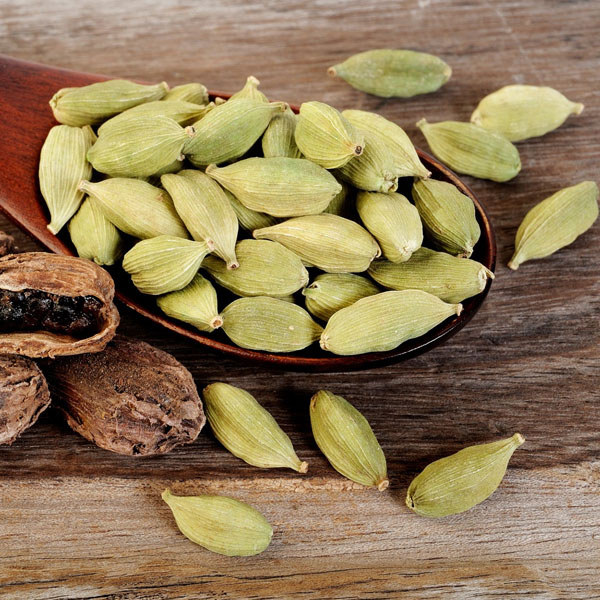
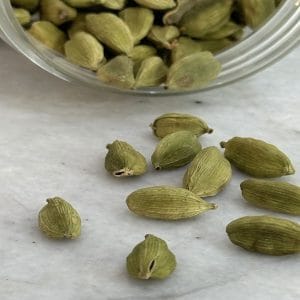
cardamom production by country
2. India: The Ancient Botanical Origin
India is the true origin of green cardamom. The spice grows wild in the Cardamom Hills of the Western Ghats mountain range, spanning Kerala, Karnataka, and Tamil Nadu.
For centuries, India held a total monopoly on the spice. Today, it remains the second-largest producer globally, but its role in the market is vastly different from Guatemala’s. India consumes the vast majority of its own harvest domestically.
Market Role: India is the benchmark for ultimate quality but struggles to compete with Guatemala on export volume and price. Indian “Alleppey Green” cardamom is world-renowned for its high essential oil content, larger pod size, and vibrant natural green color.
Profile: Buyers seeking the most potent, complex flavor profiles—where the true genetic heritage of the plant shines through—look to Indian origin, knowing it commands a premium price.
3. Emerging and Niche Sources
While Guatemala and India dominate the narrative of Elettaria cardamomum (True Green Cardamom), the broader category of cardamom production in world agriculture includes other vital players and species:
Indonesia & Sri Lanka: Both countries have long histories of spice cultivation and produce smaller, yet significant, volumes of green cardamom, often consumed regionally or exported to specific niche markets.
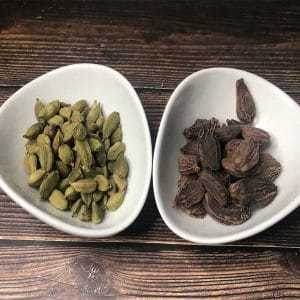
Nepal & Bhutan: These Himalayan regions are the primary sources for Amomum subulatum (Black Cardamom). This is an entirely different botanical species, featuring much larger, darker pods that are dried over open fires, imparting a strong, smoky camphor flavor essential for savory curries and broths.
Honduras & Costa Rica: Seeing the economic success of their neighbor Guatemala, other Central American countries are slowly developing their own cardamom agricultural sectors, though they currently remain minor players.
Parallel Markets: When an Origin Leaves Home
The shift of cardamom’s center of gravity from Asia to Central America is a classic study in global sourcing. It highlights how agricultural adaptability can entirely rewrite global trade routes.
We see similar, yet distinct, patterns in other high-value commodities. For example, when evaluating which country produces the best saffron in the world, we find a market that has remained much more tethered to its historical origin (the Middle East) compared to cardamom’s massive geographic leap. Understanding these historical migrations helps buyers forecast market stability, climate risks, and pricing trends.
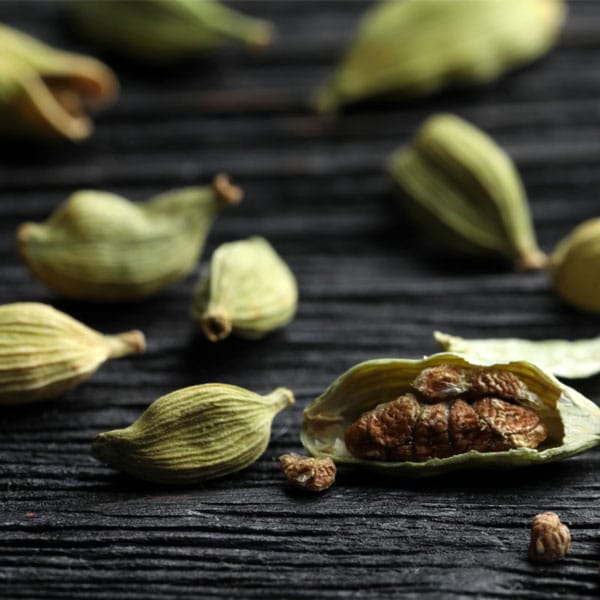
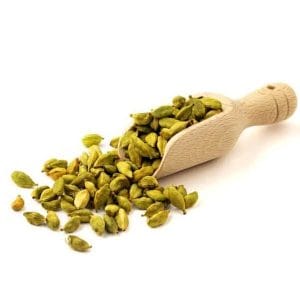
cardamom production by country
Sourcing the Right Pod: Beyond Geography
Knowing which countries grow the world’s cardamom is only the first step for a commercial buyer or culinary expert. A spice’s origin tells you its genetic potential, and its source tells you about its supply chain—but the final product is ultimately defined by how it is graded and processed post-harvest.
Whether you are buying the boldest Indian pods or large volumes of Guatemalan supply, the quality is determined by metrics like pod size (measured in millimeters), color preservation, percentage of split pods, and moisture content.
To ensure you are purchasing exactly what you need, and to protect yourself from adulteration or low-yield batches, you must master the technical specifications. For a deep dive into grading criteria, sizes, and wholesale purchasing guidelines, read our comprehensive guide on export-grade cardamom standards.
Records mentioned in this article