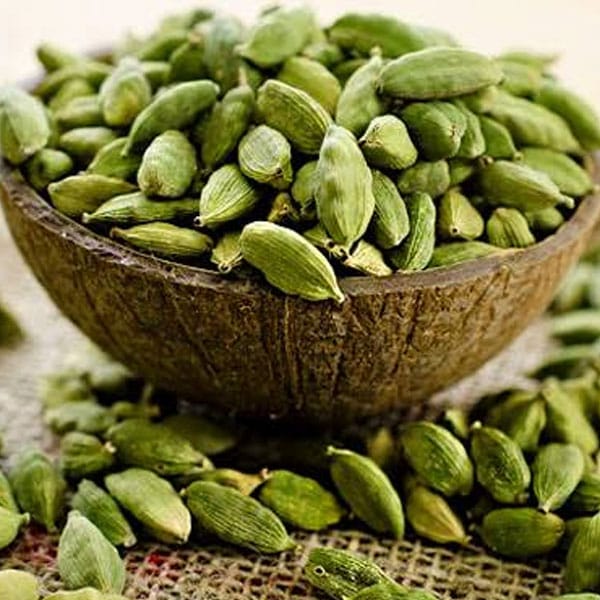
When you purchase premium spices, you are paying for volatile essential oils—the compounds that deliver aroma, flavor, and medicinal benefits. However, in the international spice trade, we rarely buy cardamom based on an immediate chemical analysis. Instead, the industry relies on a strict system of cardamom grades.
To the untrained eye, these grades look like a simple sorting mechanism based on size. But for a sourcing expert, a cardamom grades chart is a proxy for maturity, seed density, and oil content. In this guide, we will break down exactly what these grading systems measure, how to read them, and how to ensure you are buying genuine top-tier pods.
If you want to understand the complete journey of this spice from the plantation to the global market, I highly recommend starting with our central resource on cardamom origins and profiles, which provides the foundational context for these quality metrics.
cardamom grades
The Core Metrics of Cardamom Quality Specifications
Before looking at the charts, it is vital to understand the physical traits that define cardamom quality specifications. When a lot of harvested cardamom reaches the sorting facility, graders are looking at four main factors:
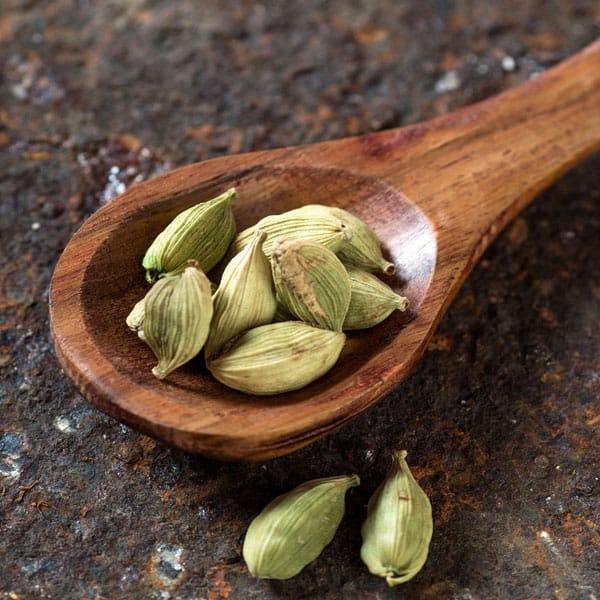
Pod Diameter (Size): Measured in millimeters (mm) using calibrated sieves. Larger pods generally indicate a longer maturation period on the plant, meaning the seeds inside have fully developed their essential oils.
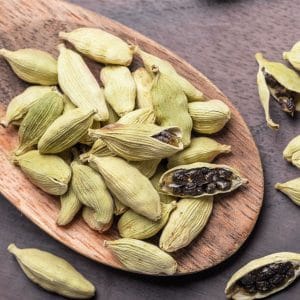
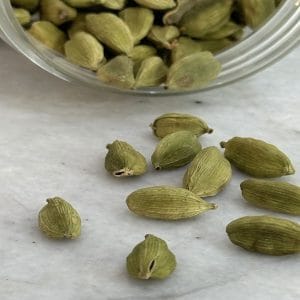
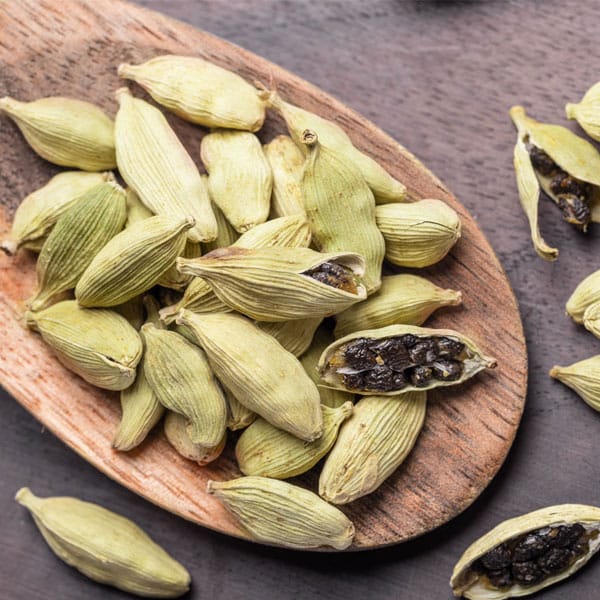
Color: A deep, uniform “parrot green” is the gold standard for green cardamom. Yellowing or bleaching indicates poor drying methods, over-exposure to sunlight, or aging.
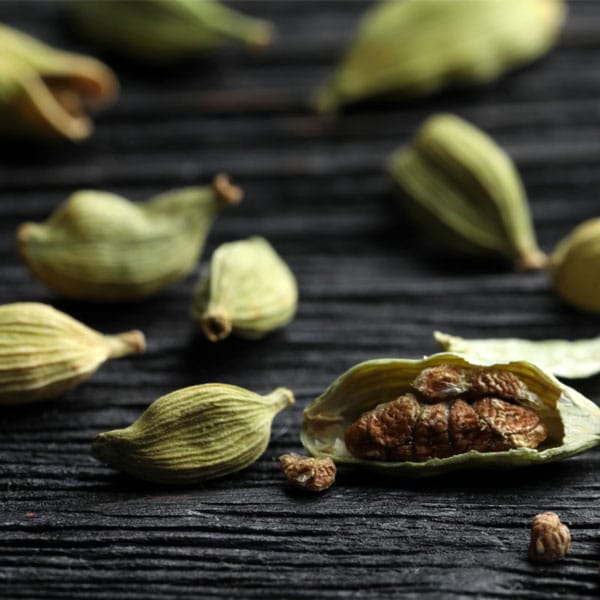
Closed vs. Open Pods: Premium grades require fully closed (un-split) pods. An open pod allows the volatile oils (like cineole and terpinyl acetate) to evaporate, drastically reducing shelf life and flavor potency.
Thrips Markings: Thrips are insects that leave scar marks on the pod. Higher grades allow for zero to very minimal thrip marks.
The Global Cardamom Grades Chart
The grading terminology you encounter depends heavily on the origin. The two global titans of cardamom production—India and Guatemala—use different naming conventions for their cardamom quality grades.
cardamom grades
1. The Indian Grading System (Alleppey Green)
Indian cardamom, specifically from the Kerala region, is globally renowned for its high oil content and vibrant color. The system uses acronyms that buyers must memorize:
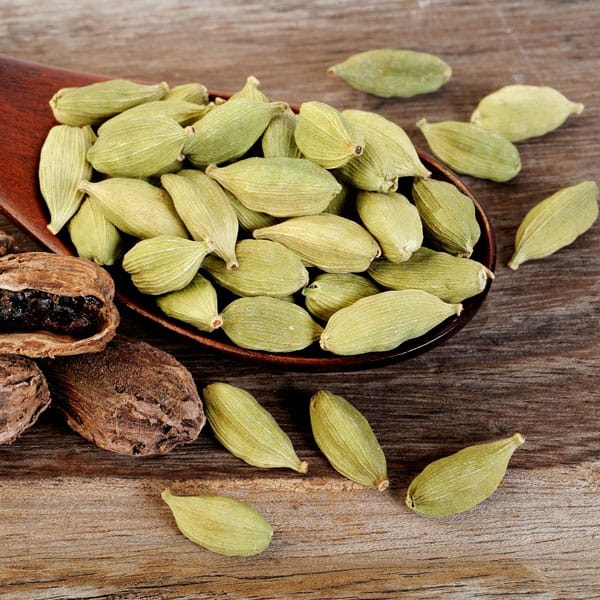
AGEB (Alleppey Green Extra Bold): This is the pinnacle, often referred to in the market simply as cardamom grade 1. To qualify, pods must have a diameter of 8mm or higher. They are deep green, perfectly closed, and visually striking.
AGB (Alleppey Green Bold): Pods measuring 7mm to 8mm. An excellent commercial grade offering a balance of high quality and slightly better pricing than AGEB.
AGS (Alleppey Green Superior): Pods measuring 6mm to 7mm.
AGS-1 & AGS-2 (Shipment/Split grades): These include pods below 6mm, split pods, or slightly yellowish pods. They are typically used for industrial grinding or extraction where visual appeal doesn’t matter.
2. The Guatemalan Grading System
Guatemala is the world’s largest exporter by volume. Their grading system is slightly more descriptive and heavily focused on the Middle Eastern and European markets:
Jumbo Green: The equivalent of AGEB. Pods are robust, beautifully green, and greater than 8mm.
Imperial Extra Green: Slightly smaller but still retaining excellent color and seed density.
Fancy Green: The standard commercial grade (comparable to AGS), widely used in retail packaging.
Mixed Yellow / Sun-dried: Lower grades where color has faded, used primarily in baking and spice blends.
cardamom grades
Why Physical Grading is a Proxy for Potency
You might wonder why the spice trade places such an immense emphasis on the physical diameter of a pod. The answer lies in agricultural logic: a larger, unblemished pod holds larger, oil-rich seeds.
This reliance on physical traits to determine chemical quality is a standard practice across the premium spice trade. We see the exact same logic applied when looking at how different grades of saffron are classified (Negin, Sargol, Pushal). In saffron, the physical removal of the yellow style dictates the grade because the red stigma is where the color and flavor compounds reside. In cardamom, the size of the green pod dictates the grade because it guarantees the volume of the black seeds inside.
When Visuals Aren’t Enough: Laboratory Measurement
While the cardamom grades chart is an excellent tool for trading, modern buyers—especially those in the pharmaceutical, cosmetic, or high-end culinary sectors—increasingly demand empirical data.
Visual grading cannot tell you the exact percentage of essential oils. A pod might look perfectly green but have been artificially dyed (a fraudulent practice occasionally seen in lower-tier markets). To combat this, strict laboratory measurement is required.
Just as the global market relies on strict ISO 3632 laboratory parameters for measuring saffron quality (which tests for Crocin, Safranal, and Picrocrocin), cardamom undergoes lab testing to measure:
Total Volatile Oil (TVO): Premium Indian grades should yield between 7% to 9% volatile oils, while Guatemalan varieties typically yield 4% to 6%.
Moisture Content: Must be kept below 10% to prevent fungal growth during shipping.
Ash Content: To detect adulteration or inorganic dust.
Sourcing Advice: How to Buy the Right Grade
cardamom grades
As a sourcing expert, my advice to buyers is to align the grade with the end-use:
For Retail, Gifting, and Middle Eastern Coffee: Always invest in cardamom grade 1 (AGEB or Jumbo Green). In these applications, the visual appeal of the pod is just as important as the flavor. The large size also means fewer pods are needed per serving.
For Restaurant Kitchens and Prosumers: AGB (7mm) or Imperial Extra offers the best cost-to-flavor ratio. You get exceptional aromatic properties without paying the aesthetic premium of extra-bold pods.
For Ground Spices and Baking: Do not waste money on bold green pods. Purchase high-quality cardamom seeds (removed from the pod) or AGS-1 grades. The visual aspect is destroyed during milling anyway, so you should focus purely on aroma and freshness.
Understanding cardamom grades elevates you from a passive consumer to an informed buyer. By looking past the marketing labels and understanding the specific dimensions, origins, and essential oil proxies, you can confidently source the exact quality your product demands.
Records mentioned in this article