I still remember the first time I held a premium tin of authentic saffron. Unscrewing the lid, I wasn’t just met with a spice; I was hit with an intoxicating aroma—a complex blend of sweet honey, metallic earthiness, and a whisper of fresh hay. It was a sensory experience that instantly explained why wars were fought, and fortunes were spent, over these tiny crimson threads.
Saffron, derived from the delicate Crocus sativus flower, is globally renowned as “Red Gold.” But to box it in as merely a culinary ingredient is a massive understatement. Saffron is a lifestyle enhancer, a potent natural medicine, and a multi-billion-dollar global saffron business.
Whether you are a home chef looking to elevate your risotto, a wellness enthusiast seeking natural remedies, or an entrepreneur eyeing a high-margin business opportunity, this guide is your definitive roadmap to the world of saffron.
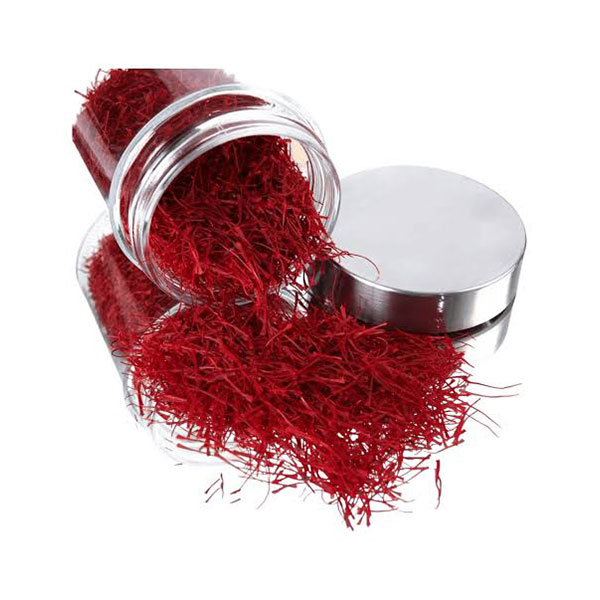
saffron
The Saffron Lifestyle – Culinary, Health, and Beauty
Integrating saffron into your daily life is an exercise in mindful luxury. Here is how these crimson threads can transform your kitchen, your health, and your skin.
Culinary Magic: How to Truly Use Saffron
Most people who claim they don’t like saffron have simply experienced it the wrong way. Tossing dry threads directly into a hot pan is a cardinal sin—it burns the delicate essential oils and leaves a bitter, medicinal taste.
To unlock the magic, you must bloom the saffron. Saffron Culinary Arts: Learn its authentic recipes and uses and enjoy it in your cooking.
The Ice Method (The Chef’s Secret)
While many steep saffron in warm water, the ice method extracts the most profound color and flavor without damaging the crocin (the chemical responsible for its vibrant hue).
1. Grind a pinch of saffron threads (about 0.1to 0.15 grams) in a mortar and pestle with a tiny pinch of coarse sugar to create friction.
2. Place the powdered saffron in a small glass.
3. Drop 2-3 standard ice cubes on top.
4. Let it sit at room temperature. As the ice slowly melts, it gently coaxes out a spectacular, neon-orange liquid that smells like pure heaven.
Saffron Culture and Facts: Read the history and secrets of this unique product and enjoy consuming it in your daily life.
Perfect Pairings
Saffron is a team player but demands center stage. It pairs flawlessly with:
Carbohydrates: Basmati rice, risotto, pasta, and crusty bread.
Proteins: Chicken, white fish, shrimp, and lamb.
Dairy: Heavy cream, butter, and milk (Saffron ice cream is a global delicacy).
Sweets: Cardamom, rose water, almonds, and pistachios.
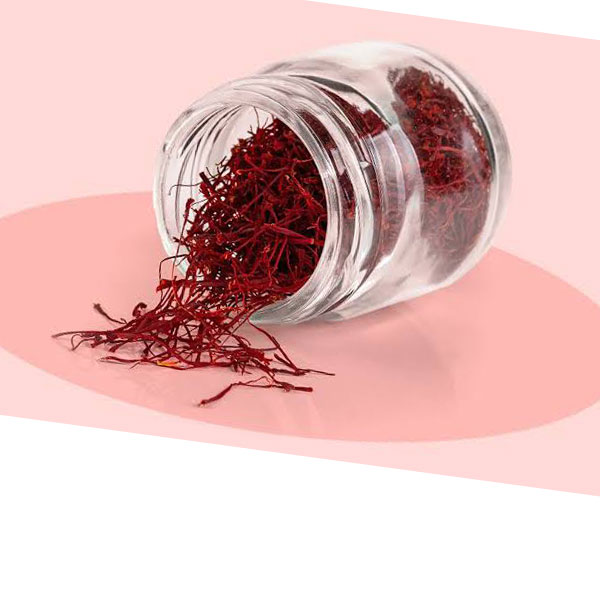
saffron guide
The Science of Wellness: Health Benefits
Saffron Health Benefits Historically, Cleopatra bathed in it, and Alexander the Great used it to heal battle wounds. Today, modern science is backing up what ancient healers knew all along. The power of saffron lies in its three main bioactive compounds: Crocin (color), Picrocrocin (flavor), and Safranal (aroma).
A Natural Mood Booster: Multiple clinical trials have shown that saffron extract can be as effective as standard prescription medications for treating mild to moderate depression. It helps regulate serotonin, dopamine, and norepinephrine in the brain.
Powerful Antioxidant Properties: The crocin in saffron is a potent antioxidant. It neutralizes free radicals, reducing oxidative stress which is linked to chronic diseases and cellular aging.
PMS Relief: For women, consuming just 30 mg of saffron daily has been proven to significantly reduce symptoms of Premenstrual Syndrome (PMS), including irritability, headaches, and cravings.
Appetite Suppressant: Saffron extract has gained massive popularity in the fitness world. It naturally boosts mood, which in turn reduces emotional snacking and sugar cravings, aiding in weight management.
Saffron in Skincare: The Glow-Up
Before high-end cosmetics filled our bathroom cabinets, royalty used saffron for glowing skin. Its antibacterial and anti-inflammatory properties make it a powerhouse for clearing acne and brightening dull skin.
The 5-Minute Saffron Glow Mask:
3-4 strands of premium saffron (soaked in 1 tsp of raw milk for 15 minutes)
1 tablespoon of organic honey
A pinch of turmeric
Mix and apply to a clean face for 15 minutes. Rinse with lukewarm water for an immediate, hydrated glow.
The Business of Saffron – Markets, Sourcing, and Entrepreneurship
If the lifestyle aspect of saffron is fascinating, the business side is exhilarating. Saffron sells for anywhere between 2,000 to 10,000 per kilogram, making it literally more expensive than gold by weight at various points in history. But why? And how can you tap into this market?
The Economics: Why is Saffron So Expensive?
The price of saffron is purely a reflection of labor and geography.
Microscopic Yield: Each Crocus sativus flower produces exactly three red stigmas. It takes roughly 150,000 to 170,000 flowers to produce just one kilogram (2.2 lbs) of dried saffron.
Intensive Manual Labor: Machines cannot harvest saffron. The delicate flowers must be hand-picked at dawn before the sun’s rays can wither the petals. The stigmas are then painstakingly separated by hand.
Short Window: The crocus only blooms for a brief 2-3 week period in late autumn.
The Global Market Landscape
Understanding the supply chain is critical for anyone entering the business.
Iran: The undisputed giant, producing roughly 85% to 90% of the world’s supply. The terroir in regions like Khorasan is perfectly suited for the crocus flower.
Spain: Famous for its “La Mancha” saffron. Interestingly, Spain exports much more saffron than it grows, often importing bulk saffron, packaging it, and selling it under Spanish brands at a premium.
Kashmir (India): Known for its thick, dark red threads and intense aroma. Kashmiri saffron is incredibly rare and fetches the highest prices globally.
Emerging Markets: Afghanistan, Greece, and even niche indoor vertical farms in the US and Europe are entering the space.
The Dark Side: How to Identify Fake Saffron
Where there is high value, there is fraud. The saffron market is plagued by adulteration. Corn silk, safflower, dyed paper, and even horsehair have been sold to unsuspecting buyers.
If you are starting a business, your reputation relies entirely on your quality control. Here is how you test it:
| Test Method | Authentic Saffron | Fake Saffron |
|---|---|---|
| 💧 The Water Test | Releases a yellow/golden color slowly. The thread remains distinctly red. | Instantly turns the water dark red/orange. The thread turns white immediately. |
| 👃 The Smell Test | Smells sweet, like floral honey and hay. | Smells like nothing, or smells chemically sweet. |
| 👅 The Taste Test | Tastes bitter, earthy, and slightly metallic. | Tastes sweet (a sign it was sprayed with sugar water for weight). |
| 🧪 The Baking Soda Test | Mixed in a water/baking soda solution, it turns the liquid yellow. | Turns the liquid murky red or brown. |
Always demand ISO 3632 certification from your suppliers. This laboratory test measures the exact levels of Crocin, Picrocrocin, and Safranal, ensuring Grade A (Sargol or Negin) quality.
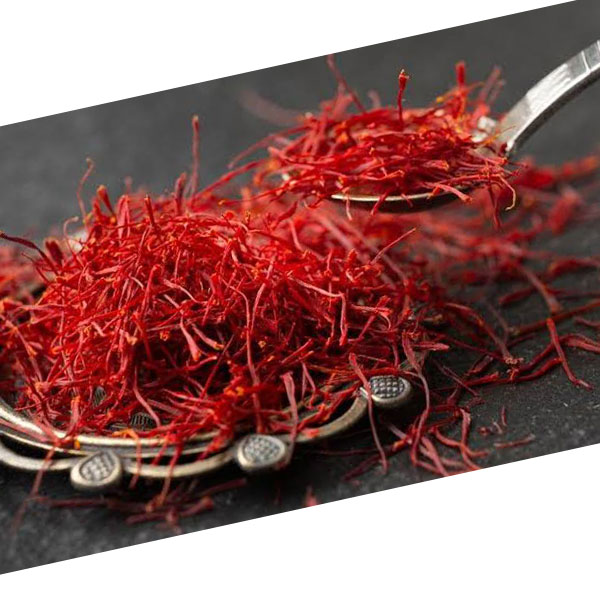
Any specifications about saffron
Starting Your Own Saffron Business: A Strategic Blueprint
The barrier to entry for importing and selling saffron is surprisingly low, but the barrier to success is high. Here is a step-by-step framework to launch a profitable saffron brand.
Phase 1: Niche Down and Define Your Avatar
Are you selling to high-end restaurants (B2B)? Or are you targeting health-conscious millennials who want saffron supplements (B2C)?
Culinary route: Focus on chefs, foodies, and specialty grocers.
Wellness route: Focus on saffron teas, extracts, and capsules for mood and PMS support.
Beauty route: Infuse saffron into facial oils and serums.
Phase 2: Sourcing and Logistics
Finding a reliable supplier is your biggest hurdle. Look for wholesalers who provide recent lab reports (ISO 3632).
Start by ordering small samples (10-20 grams) from 4-5 different suppliers.
Perform the water, taste, and smell tests yourself.
Negotiate shipping terms (usually via DHL or FedEx). Since saffron is incredibly lightweight, air freight is very economical.
Phase 3: Premium Packaging
Saffron is a luxury item. If you put it in a cheap plastic bag, you instantly devalue it.
Use glass jars, custom-designed tin boxes, or wax-sealed cork vials.
Protect it from light! UV rays degrade crocin. If you use clear glass, ensure the secondary packaging (a box or tube) blocks out the sun.
Phase 4: Marketing and SEO
Do not compete on price; you will lose to massive distributors. Compete on storytelling and quality.
Content Marketing: Create recipes, write about the history, and show behind-the-scenes footage of how the saffron is tested.
Influencer Marketing: Send your beautiful packaging to micro-influencers in the food and wellness spaces. A single viral video of saffron blooming over ice can empty your inventory overnight.
The Future of Saffron
As climate change threatens traditional farming regions and consumer demand for natural health remedies skyrockets, the saffron market is poised for massive shifts. We are already seeing a rise in AgTech startups successfully growing saffron in controlled indoor environments, using aeroponics to manipulate the bulb’s life cycle and harvest multiple times a year.
Whether you are sipping a warm cup of saffron tea to unwind after a long day, or crunching the numbers on your first bulk import, the “Red Gold” offers an unparalleled blend of ancient tradition and modern opportunity.
Frequently Asked Questions
Properly stored saffron doesn't "spoil" or become dangerous to eat, but it does lose its potency. For the best flavor and aroma, use it within two years of harvest. Store it in an airtight container in a cool, dark place (not the refrigerator, as condensation can cause mold).
These terms refer to the grade and cut of the thread.
Negin: The highest quality. It contains only the deep red tips, with no yellow style attached, and the threads are long and thick.
Sargol: Also pure red tips, but the threads may be shorter or slightly broken compared to Negin.
Pushal: Contains the red stigmas with a little bit of the yellow/orange style attached.
Yes, in culinary amounts, it is perfectly safe and highly beneficial. Clinical studies often use doses of 30 mg per day for health benefits. However, extremely high doses (above 1.5 grams per day) can be toxic, and pregnant women should consult a doctor before taking concentrated saffron supplements, as high amounts can stimulate uterine contractions.
Profit margins in the saffron business can be highly lucrative. If you buy bulk at wholesale (e.g., 1,500 $ to 3,000 $ per kilo) and retail it in 1-gram jars for 8 to 15 $ each, your gross margin can range from 200% to over 400%, depending on your brand positioning and packaging costs.