Making an authentic Spanish seafood paella is less about rigidly following instructions and more about understanding the delicate harmony of your ingredients. From selecting the freshest coastal catch to blooming premium saffron strands for that unmistakable golden hue, every step builds a complex, earthy flavor profile. Here at OriginAndSource.com, we know that tracing ingredients back to their roots is the true secret to transforming a simple rice dish into a world-class culinary centerpiece.
Saffron at a Glance: Key Facts for Buyers & Businesses
| Category | Details |
|---|---|
| Botanical Name | Crocus sativus L. |
| Primary Origins | Iran (90%), Afghanistan, Spain, Kashmir (India), Greece |
| Active Compounds | Crocin (color), Picrocrocin (flavor), Safranal (aroma) |
| Grading Standards | ISO 3632 (Category I–III based on crocin, picrocrocin, safranal levels) |
| Common Grades | Sargol (all-red threads), Negin (premium long threads), Pushal (red + some yellow) |
| Retail Price Range (2026) | 8– 15/gram (premium), 500 – 500– 3,000/kg (bulk, B2B) |
| Key Quality Indicators | Deep red color, minimal yellow threads, strong aroma, moisture <12%, no additives |
| Shelf Life | 2–3 years (airtight, cool, dark storage) |
| Culinary Uses | Paella, risotto, Persian rice, desserts, teas |
| Health Benefits | Antioxidant, mood support, potential anti-inflammatory properties* |
| Buying Tips for Consumers | Buy threads (not powder), check ISO cert, test 2–3 threads in warm water |
| Sourcing Tips for Businesses | Request lab reports (ISO 3632), verify origin docs, sample before bulk orders |
Saffron at a Glance: Key Facts for Buyers & Businesses. Origin, grades, 2026 prices, and purity checks — the essentials for both home and bulk saffron buyers, in one table. Columns: Category, Details. Botanical Name — Crocus sativus L.. Primary Origins — Iran (90%), Afghanistan, Spain, Kashmir (India), Greece. Active Compounds — Crocin (color), Picrocrocin (flavor), Safranal (aroma). Grading Standards — ISO 3632 (Category I–III based on crocin, picrocrocin, safranal levels). Common Grades — Sargol (all-red threads), Negin (premium long threads), Pushal (red + some yellow). Retail Price Range (2026) — 8– 15/gram (premium), 500 – 500– 3,000/kg (bulk, B2B). Key Quality Indicators — Deep red color, minimal yellow threads, strong aroma, moisture <12%, no additives. Shelf Life — 2–3 years (airtight, cool, dark storage).
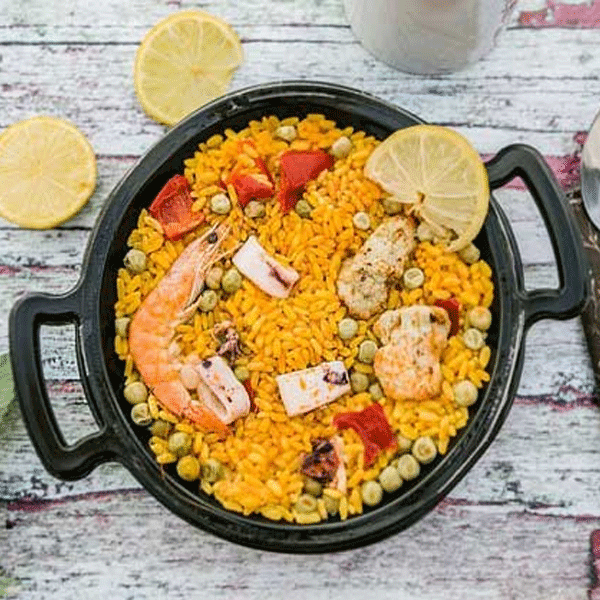
The most common mistake home cooks make with paella is treating saffron as a mere food coloring. Genuine saffron—derived from the stigmas of the Crocus sativus flower—imparts a complex floral, slightly earthy, and sweet aroma that cuts through the richness of the olive oil and the brine of the seafood.
Saffron vs. Turmeric or Colorants: When deciding between premium saffron and cheaper alternatives like turmeric or synthetic paella colorants (often sold as colorante), the choice dictates the entire flavor profile. Turmeric will give you a yellow pan of rice, but it adds a flat, slightly bitter root flavor that clashes with delicate seafood. True saffron binds the garlic, paprika, and seafood stock into a unified, aromatic broth.
saffron paella recipe
Pro Tip for Blooming: Never throw dry saffron directly into the pan. To extract the maximum flavor and color, gently toast a generous pinch (about 20-30 threads) in a dry skillet for 10 seconds, crush them into a powder, and steep them in a small splash of warm water or hot seafood broth for at least 15 minutes before cooking.
Saffron Culinary Arts: Discover expert techniques to unlock the vibrant color, rich aroma, and delicate flavor of the world’s most precious spice.”
The Great Rice Debate: Bomba vs. Arborio
| Rice Variety | Liquid Absorption Rate | Texture & Starch Release | Verdict for Paella |
|---|---|---|---|
| Bomba (Spanish) | 3x its volume in broth | Expands crosswise; remains firm, low starch release. | The Gold Standard. Guarantees distinct grains. |
| Calasparra / Senia | 2.5x its volume in broth | Excellent flavor conductor, slightly softer than Bomba. | Great traditional alternative. Watch cooking times closely. |
| Arborio (Italian) | 2x its volume in broth | High starch release, creates a creamy sauce. | Not Recommended. Turns paella into a sticky risotto. |
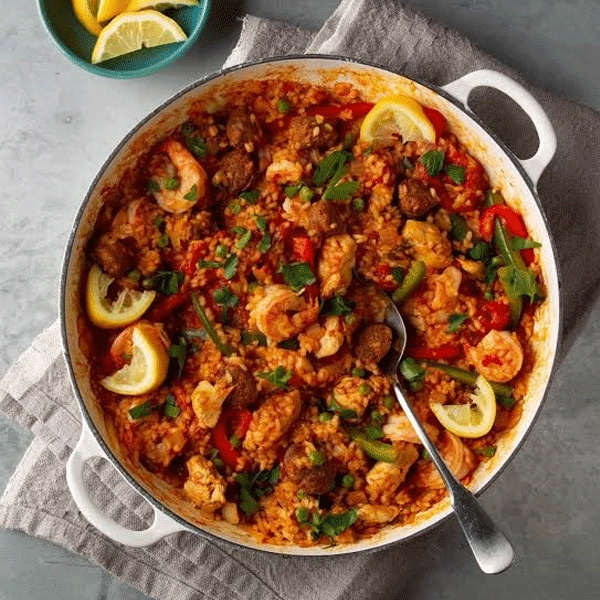
The Ultimate Seafood Paella Recipe
This recipe is designed for a 15-inch (38cm) carbon steel paella pan, serving 4 to 6 people.
The Ingredients:
The Base: 2 cups Bomba rice, 1/3 cup extra virgin olive oil.
The Liquid: 6 cups high-quality seafood or fish stock, 1 generous pinch of premium saffron (bloomed).
The Sofrito (Flavor Foundation): 1 large onion (finely diced), 4 cloves garlic (minced), 2 ripe tomatoes (grated, skins discarded), 1 tbsp sweet smoked Spanish paprika (pimentón dulce).
The Seafood: 1/2 lb (250g) firm white fish (monkfish or halibut, cubed), 1/2 lb (250g) calamari rings, 12 fresh mussels (scrubbed and debearded), 12 large shrimp or prawns (shell-on for flavor).
Garnish: Lemon wedges and fresh parsley.
Step-by-Step Execution:
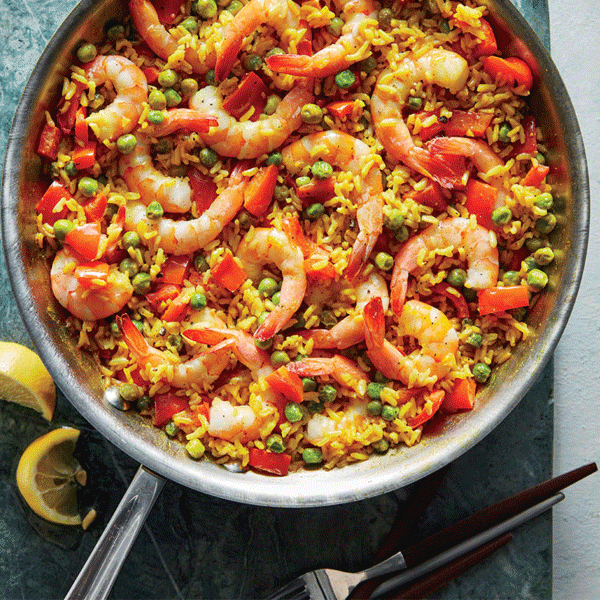
Sear the Seafood: Heat the olive oil in your paella pan over medium-high heat. Quickly sear the shrimp and fish cubes for just 1-2 minutes per side until lightly golden but not fully cooked. Remove them to a plate. Leave the flavorful oil in the pan.
saffron paella recipe
Build the Sofrito: Lower the heat to medium. Add the diced onions and calamari rings, sautéing until the onions are translucent. Stir in the garlic and smoked paprika, cooking for 30 seconds until fragrant. Immediately add the grated tomatoes to halt the paprika from burning. Cook until the tomato liquid evaporates and the mixture darkens into a thick paste.
Toast the Rice: Add the Bomba rice to the pan. Stir continuously for 2 minutes, allowing the rice to absorb the sofrito’s oils and gently toast.
The Broth and Saffron: Pour in the warm seafood stock and your bloomed saffron liquid. Season generously with salt (the broth should taste slightly saltier than the sea). Stir gently to distribute the rice evenly across the pan. From this point on, do not stir the rice.
Simmer and Arrange: Let the liquid come to a vigorous boil for 5 minutes, then reduce the heat to medium-low. As the rice swells and the liquid level drops, artistically arrange the seared shrimp, fish cubes, and fresh mussels (hinge side down) into the rice.
Develop the Socarrat: Let it cook undisturbed for another 10-15 minutes until the liquid is absorbed. In the final 2 minutes, turn the heat up slightly. Listen closely—you want to hear a crackling, popping sound (not a burning, smoking smell). This is the socarrat forming: the prized caramelized crust of rice at the bottom of the pan.
Rest: Remove from heat, cover the pan with a clean kitchen towel or newspaper for 5-10 minutes. This allows the starches to settle and any remaining surface moisture to steam the mussels open.
Records mentioned in this article
Frequently Asked Questions
Dry saffron cannot fully release its color and aromatic oils. It must be lightly toasted, crushed, and “bloomed” in warm liquid for at least 15 minutes to maximize its complex flavor profile.
Bomba rice absorbs three times its volume in broth while keeping the grains firm and separate. Arborio releases too much starch, resulting in a creamy, sticky texture more suited for risotto.
During the final minutes of cooking when the liquid has evaporated, you should hear a distinct crackling and popping sound, similar to frying bacon, rather than smelling burning smoke.