Nothing beats the winter chill quite like a steaming bowl of chicken noodle soup, but adding a pinch of high-quality saffron transforms this classic into a restorative, golden elixir. Exploring culinary ingredients at Origin and Source has taught us that authentic saffron threads not only deepen a savory broth but introduce a delicate, floral aroma that ordinary pantry spices simply cannot match. This recipe bridges the gap between everyday comfort food and gourmet home cooking, offering warmth, immune support, and well-being in every spoonful.
Saffron at a Glance: Key Facts for Buyers & Businesses
| Category | Details |
|---|---|
| Botanical Name | Crocus sativus L. |
| Primary Origins | Iran (90%), Afghanistan, Spain, Kashmir (India), Greece |
| Active Compounds | Crocin (color), Picrocrocin (flavor), Safranal (aroma) |
| Grading Standards | ISO 3632 (Category I–III based on crocin, picrocrocin, safranal levels) |
| Common Grades | Sargol (all-red threads), Negin (premium long threads), Pushal (red + some yellow) |
| Retail Price Range (2026) | 8– 15/gram (premium), 500 – 500– 3,000/kg (bulk, B2B) |
| Key Quality Indicators | Deep red color, minimal yellow threads, strong aroma, moisture <12%, no additives |
| Shelf Life | 2–3 years (airtight, cool, dark storage) |
| Culinary Uses | Paella, risotto, Persian rice, desserts, teas |
| Health Benefits | Antioxidant, mood support, potential anti-inflammatory properties* |
| Buying Tips for Consumers | Buy threads (not powder), check ISO cert, test 2–3 threads in warm water |
| Sourcing Tips for Businesses | Request lab reports (ISO 3632), verify origin docs, sample before bulk orders |
Saffron at a Glance: Key Facts for Buyers & Businesses. Origin, grades, 2026 prices, and purity checks — the essentials for both home and bulk saffron buyers, in one table. Columns: Category, Details. Botanical Name — Crocus sativus L.. Primary Origins — Iran (90%), Afghanistan, Spain, Kashmir (India), Greece. Active Compounds — Crocin (color), Picrocrocin (flavor), Safranal (aroma). Grading Standards — ISO 3632 (Category I–III based on crocin, picrocrocin, safranal levels). Common Grades — Sargol (all-red threads), Negin (premium long threads), Pushal (red + some yellow). Retail Price Range (2026) — 8– 15/gram (premium), 500 – 500– 3,000/kg (bulk, B2B). Key Quality Indicators — Deep red color, minimal yellow threads, strong aroma, moisture <12%, no additives. Shelf Life — 2–3 years (airtight, cool, dark storage).
When the temperature drops and you feel the first signs of a cold creeping in, the instinct is always to reach for chicken noodle soup. It is the ultimate universal comfort food. But after years of sourcing and testing global ingredients, I started adding a small pinch of saffron to my standard broth. The result was a revelation.
Saffron does more than just paint the broth a beautiful, vibrant gold. It brings a subtle, earthy floral note that cuts through the richness of the chicken fat, making the soup taste lighter yet incredibly complex. If you are looking for a recipe that feels like a warm hug but tastes like it came from a high-end bistro, this is it.
Why Add Saffron? (Saffron vs. Turmeric in Soups)
A common question home cooks ask when trying to achieve a golden broth is: Can I just use turmeric instead of saffron?
While both spices provide a yellow hue, they serve completely different culinary purposes.
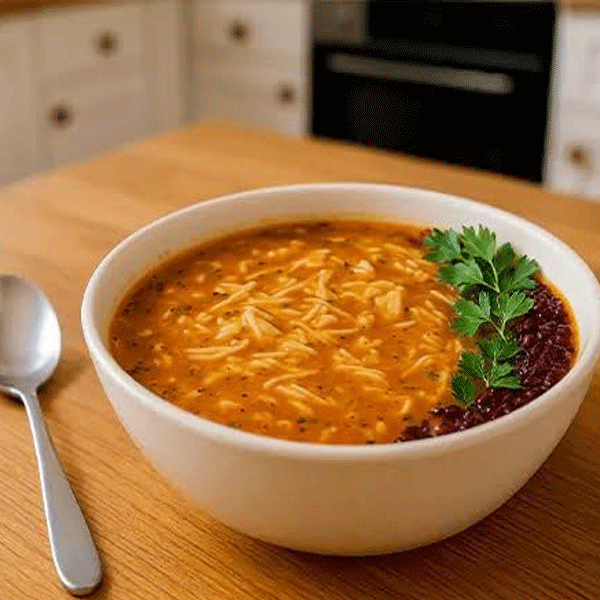
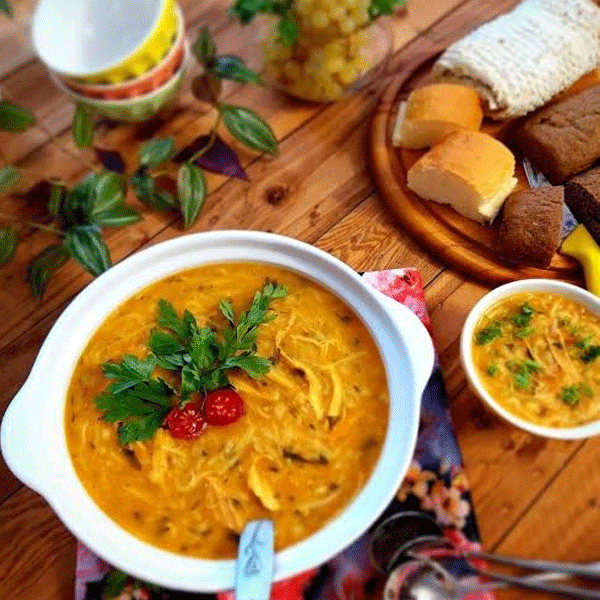
Saffron chicken noodle soup
Flavor Profile: Turmeric has a slightly bitter, peppery, and earthy flavor. Saffron is delicate, slightly sweet, floral, and honey-like.
The Broth Impact: Turmeric sits on top of the flavor profile as a distinct spice. Saffron, when properly bloomed, melts into the chicken broth, enhancing the savory umami notes of the chicken without overpowering it.
Decision: If you want a quick color fix, turmeric works. If you want a luxurious, restorative, and aromatic soup, you need genuine saffron threads.
Sourcing the Right Saffron for Broths
Not all saffron is created equal. For a clear, flavorful soup, avoid pre-ground saffron powder. It is frequently adulterated with safflower or turmeric and lacks the essential oils needed for a good broth.
Look for whole threads (stigmas). For cooking soups, Sargol or Negin grades are ideal because they consist only of the red tips of the stigma, where the flavor and aroma compounds (crocin and safranal) are most concentrated. You only need about 10 to 15 threads to flavor an entire pot of soup, making a small jar last through the whole winter.
Saffron Culinary Arts: Explore time-honored techniques and classic recipes that showcase the rich aroma and deep golden color of genuine saffron.
Golden Saffron Chicken Noodle Soup
| Ingredient | Quantity | Notes |
|---|---|---|
| Premium Saffron Threads | Small pinch (10-15 threads) | Sargol or Negin grade preferred. |
| Bone-in, skin-on Chicken Thighs | 1.5 lbs (about 4-5 thighs) | Bones are crucial for a rich, healing broth. |
| Olive Oil or Butter | 2 Tablespoons | For sautéing aromatics. |
| Yellow Onion | 1 large, diced | Creates the savory foundation. |
| Carrots & Celery | 3 medium each, sliced | Classic mirepoix vegetables. |
| Garlic | 4 cloves, minced | Fresh only, for immune support. |
| Chicken Stock (Low Sodium) | 8 cups | Use homemade if available. |
| Egg Noodles | 2 cups (dry) | Wide egg noodles hold up best in broth. |
| Fresh Parsley & Dill | 1/4 cup, chopped | Added at the very end for brightness. |
| Lemon Juice | 1-2 Tablespoons | Balances the earthy saffron. |
Step-by-Step Instructions
Step 1: Bloom the Saffron (Crucial Step)
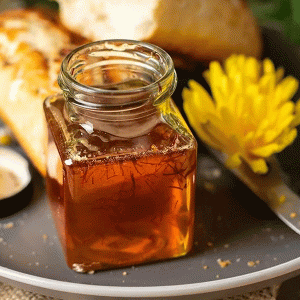
Do not throw dry saffron directly into the soup. To release its full color and flavor, grind the saffron threads with a tiny pinch of coarse salt or sugar in a mortar. Transfer the powder to a small glass, add two tablespoons of hot (not boiling) water, and let it steep for at least 15 minutes while you start the soup.
Step 2: Brown the Chicken
Heat the olive oil in a heavy-bottomed pot or Dutch oven over medium-high heat. Season the chicken thighs with salt and pepper, then sear them skin-side down until golden brown (about 5-7 minutes). Flip and sear the other side for 3 minutes. Remove the chicken and set aside. (Leave the fat in the pot!).
Step 3: Build the Aromatic Base
Lower the heat to medium. Add the diced onions, carrots, and celery to the chicken fat. Sauté for about 6-8 minutes until the onions are soft and translucent. Stir in the minced garlic and cook for 1 more minute until fragrant.
Step 4: Simmer and Extract Flavor
Return the chicken to the pot. Pour in the chicken stock. Bring the liquid to a gentle boil, then immediately reduce the heat to low, cover, and let it simmer for 30-40 minutes. The chicken should be tender and falling off the bone.
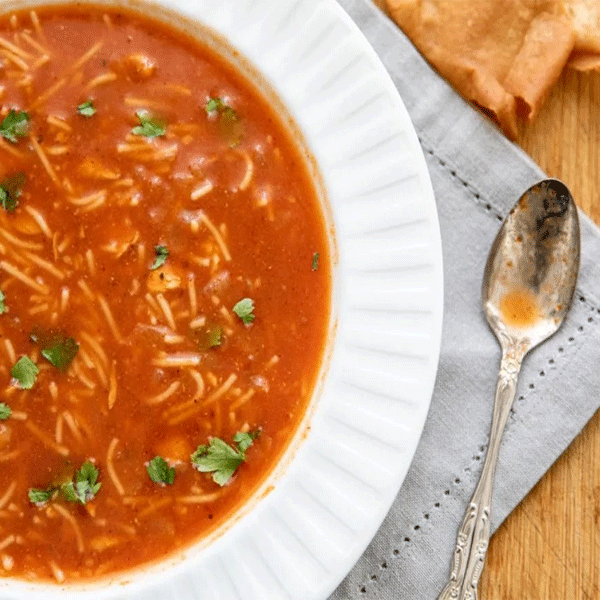
Saffron chicken noodle soup
Step 5: Shred and Infuse
Carefully remove the chicken thighs from the broth. Discard the skin and bones, and shred the meat using two forks. Return the shredded chicken to the pot. Now, pour in your bloomed saffron liquid. Watch as the broth instantly transforms into a rich, golden color.
Step 6: Cook the Noodles
Bring the soup back to a moderate simmer. Add the dry egg noodles and cook uncovered according to the package instructions (usually about 7-9 minutes).
Step 7: The Final Brightness
Turn off the heat. Stir in the fresh parsley, dill, and lemon juice. The acid from the lemon perfectly balances the rich chicken fat and the floral saffron. Taste for salt and pepper, adjusting if necessary. Serve immediately.
Pro Tips for the Best Results
Noodle Management: If you plan to have leftovers, cook the noodles in a separate pot of boiling water and add them directly to individual bowls. Egg noodles left in the main pot of soup will continue to absorb the broth in the fridge, turning mushy by the next day.
The Ice Brewing Method: If you have extra time, try “ice brewing” your saffron. Instead of hot water in Step 1, put an ice cube over the ground saffron and let it melt at room temperature. Many chefs believe this gentle extraction yields a smoother, less bitter flavor profile.
Records mentioned in this article
-
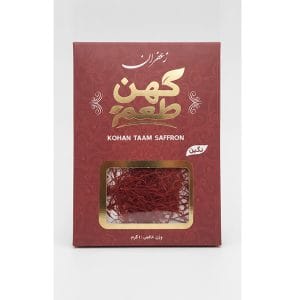 🇮🇷 Iran
Verified
SaffronThe dried stigmas of a sterile autumn crocus, hand-picked at roughly 440,000 threads to the kilogram.
Open the record
-
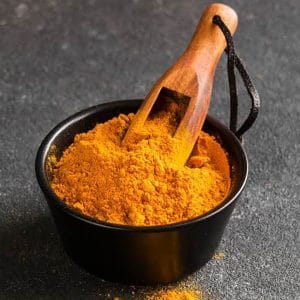 🇮🇳 India
Verified
Turmeric
Indian farmers
Open the record
-
 🇨🇳 China
NoodlesBefore Italy, Before Japan: The Untold Origin of Noodles
Ancient Chinese cooks
Open the record
Frequently Asked Questions
Always add the bloomed saffron liquid toward the end of the cooking process (after the chicken is cooked but before the noodles). Boiling saffron vigorously for a long time destroys its delicate aroma compounds.
Yes, but freeze it without the noodles. The broth, vegetables, and chicken freeze beautifully for up to 3 months. When reheating on the stove, cook a fresh batch of noodles and add them in.
Wide egg noodles are the classic choice as their rich texture pairs well with the luxurious saffron broth. However, orzo or pearl couscous also work exceptionally well if you prefer a different texture.