Saffron essential oil offers a warm, grounding aroma that can support relaxation while adding a luxurious touch to everyday skincare. This guide explains how to use it safely through proper dilution, diffuser techniques, carrier oil selection, and practical application methods. Discover its potential skincare benefits, key precautions, and the differences between pure saffron essential oil and saffron-infused oils.
Saffron at a Glance: Key Facts for Buyers & Businesses
| Category | Details |
|---|---|
| Botanical Name | Crocus sativus L. |
| Primary Origins | Iran (90%), Afghanistan, Spain, Kashmir (India), Greece |
| Active Compounds | Crocin (color), Picrocrocin (flavor), Safranal (aroma) |
| Grading Standards | ISO 3632 (Category I–III based on crocin, picrocrocin, safranal levels) |
| Common Grades | Sargol (all-red threads), Negin (premium long threads), Pushal (red + some yellow) |
| Retail Price Range (2026) | 8– 15/gram (premium), 500 – 500– 3,000/kg (bulk, B2B) |
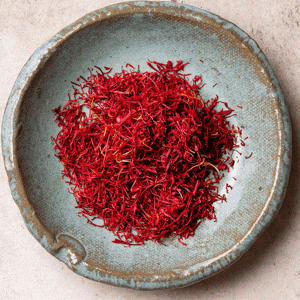
| Key Quality Indicators | Deep red color, minimal yellow threads, strong aroma, moisture <12%, no additives |
| Shelf Life | 2–3 years (airtight, cool, dark storage) |
| Culinary Uses | Paella, risotto, Persian rice, desserts, teas |
| Health Benefits | Antioxidant, mood support, potential anti-inflammatory properties* |
| Buying Tips for Consumers | Buy threads (not powder), check ISO cert, test 2–3 threads in warm water |
| Sourcing Tips for Businesses | Request lab reports (ISO 3632), verify origin docs, sample before bulk orders |
Saffron at a Glance: Key Facts for Buyers & Businesses. Origin, grades, 2026 prices, and purity checks — the essentials for both home and bulk saffron buyers, in one table. Columns: Category, Details. Botanical Name — Crocus sativus L.. Primary Origins — Iran (90%), Afghanistan, Spain, Kashmir (India), Greece. Active Compounds — Crocin (color), Picrocrocin (flavor), Safranal (aroma). Grading Standards — ISO 3632 (Category I–III based on crocin, picrocrocin, safranal levels). Common Grades — Sargol (all-red threads), Negin (premium long threads), Pushal (red + some yellow). Retail Price Range (2026) — 8– 15/gram (premium), 500 – 500– 3,000/kg (bulk, B2B). Key Quality Indicators — Deep red color, minimal yellow threads, strong aroma, moisture <12%, no additives. Shelf Life — 2–3 years (airtight, cool, dark storage).
Before we dive into usage, a quick “insider tip”: many products labeled “Saffron Oil” are actually macerated oils (saffron stigmas soaked in a carrier oil). While lovely, they are not the same as pure steam-distilled essential oil.
The pure essential oil contains Safranal, the compound responsible for that hypnotic scent and its neuroprotective properties. If you are looking for aromatherapy benefits, ensure you are looking for the distilled essential oil.
1. Aromatherapy: Elevating Mood and Mental Clarity
Saffron essential oil is a “soul-soothing” oil. Unlike citrus oils that energize, saffron tends to ground the nervous system.
How it Works (The Science)
Research suggests that the aroma of saffron (specifically the compound Safranal) can interact with neurotransmitters in the brain. It is often used to help manage feelings of mild anxiety, seasonal blues, and stress-induced fatigue.
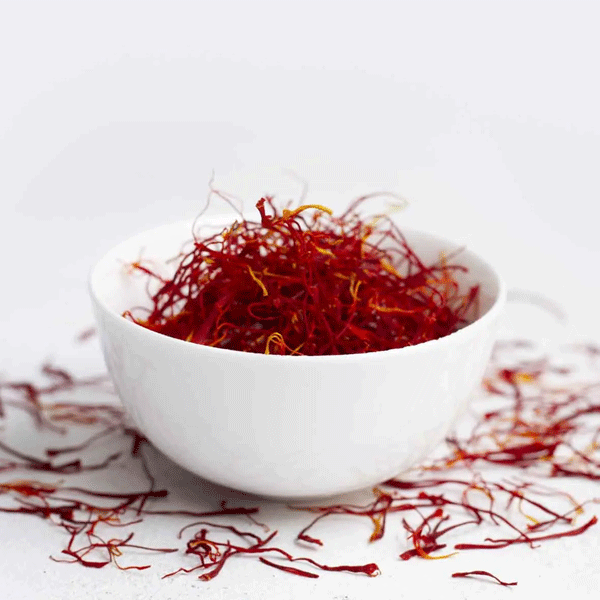
how to use saffron essential oil
Best Ways to Use it for Aromatherapy:
The Diffuser Method: Add 1–2 drops to your ultrasonic diffuser. Because it is so potent, a little goes a long way. Pair it with Sandalwood or Bergamot for a balanced, spa-like atmosphere.
The Inhalation Method: For instant stress relief, place a single drop on a cotton ball and inhale deeply. This is particularly effective during moments of acute anxiety.
The Warm Bath Ritual: Never drop essential oil directly into bathwater (it will float on top and may irritate your skin). Instead, mix 3 drops of saffron oil with a tablespoon of carrier oil or Epsom salts, then add to the water.
2. Skincare: The Secret to a Radiant Glow
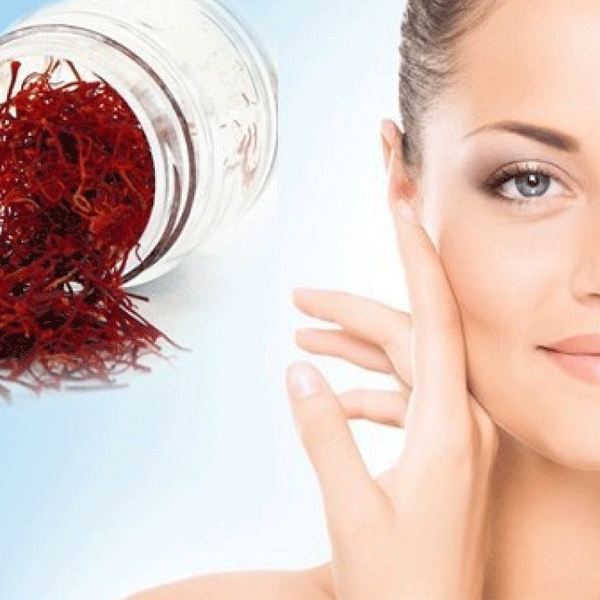
In the world of high-end dermatology, saffron is a rising star. It is prized for its ability to combat oxidative stress and even out skin tone.
Key Skin Benefits:
Anti-Aging & Photoprotection: It helps neutralize free radicals caused by UV exposure.
Brightening: It can assist in reducing the appearance of hyperpigmentation and dark spots.
Anti-Inflammatory: It helps calm redness and irritation in sensitive skin types.
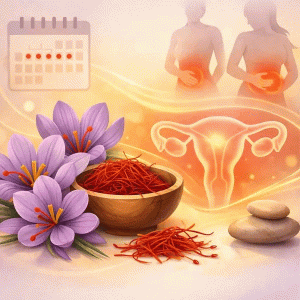
Saffron Health Benefits: Discover how modern research is exploring saffron’s potential role in mood support, eye health, PMS relief, and other evidence-based wellness applications.
The Golden Rule: Dilution is Non-Negotiable
| Application Type | Recommended Dilution | Suggested Carrier Oil |
|---|---|---|
| Facial Serum (Brightening) | 0.2% – 0.5% (approx. 1 drop per 10ml) | Rosehip or Jojoba Oil |
| Body Massage (Relaxation) | 1% (approx. 3 drops per 10ml) | Sweet Almond or Argan Oil |
| Spot Treatment (Dark Spots) | Max 0.5% | Fractionated Coconut Oil |
Saffron essential oil is not just another “scent”—it is a luxury therapeutic tool. Whether you are using it to brighten a dull complexion or to find a moment of peace in a chaotic day, remember: quality and dilution are everything.
Invest in a high-quality, pure Crocus sativus oil, treat it with respect, and let the “Red Gold” transform your wellness ritual.
Saffron essential oil is a rare and precious ingredient that can bring a calming, luxurious touch to both your aromatherapy routine and your skincare. Always dilute it with a carrier oil, do a patch test first, and use it in small amounts for the safest and most effective results. Used with care, it can help you create moments of relaxation and a natural, radiant glow.
Reference:
https://pmc.ncbi.nlm.nih.gov/articles/PMC12729493/
Records mentioned in this article
Frequently Asked Questions
It can be, but only if highly diluted. Because of its high concentration of Safranal, it is considered a potential sensitizer. Always perform a patch test on your inner forearm and wait 24 hours before applying it to your face.
While dietary saffron is generally safe in moderation, essential oils are much more concentrated. You should consult your healthcare provider before using saffron essential oil during pregnancy or breastfeeding.
Saffron oil is sensitive to light and heat. Store it in a dark amber glass bottle in a cool, dry place. This prevents the oxidation of its precious chemical compounds.