The autumn saffron harvest is a highly time-sensitive operation, taking place at dawn between October and November to preserve peak chemical potency. Understanding this narrow window allows wholesalers to source the freshest, highest-grade threads before market depletion. If you are looking to secure authentic, lab-certified saffron directly from the source for your business, reach out to us at Origin & Source to discuss your B2B supply needs.
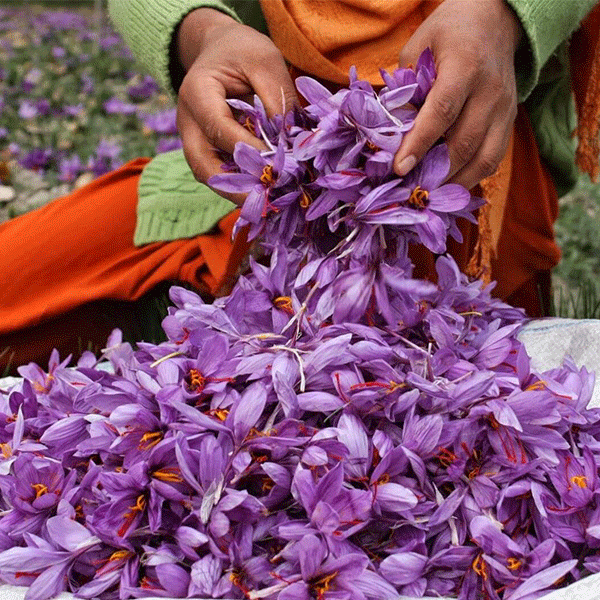
If you have ever stood in a saffron field just before sunrise, you know the exact moment the magic happens. The air is crisp, the ground is kissed by autumn dew, and millions of delicate purple Crocus sativus flowers are just waiting to open.
As a content strategist and developer deeply embedded in the agricultural and trade sectors, I get asked one question constantly by wholesalers and culinary experts alike: When is the best time to source fresh saffron?
The answer lies entirely in understanding the saffron harvest season. Unlike most crops that thrive in the summer sun, saffron is an autumn bloomer. Timing this harvest isn’t just about agriculture; it is the ultimate deciding factor in the spice’s color, aroma, and market value.
The Golden Window: Exactly When Does Saffron Bloom?
Saffron does not follow a forgiving schedule. The harvest season is incredibly brief, typically occurring between mid-October and early November. Depending on the specific climate and altitude of the region, the actual peak blooming period—where the majority of the flowers open—lasts only about 15 to 20 days.
But the timing gets even more granular than the month. Saffron must be harvested at dawn.

saffron harvest season
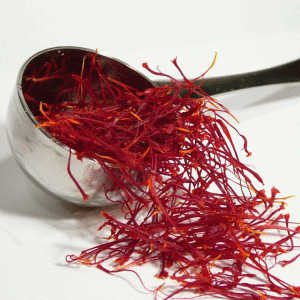
Why the rush before sunrise? Once the sun hits the delicate purple petals and they fully open, the three red stigmas inside (the actual saffron threads) are exposed to ultraviolet light and heat. This exposure immediately begins to degrade the crocin (responsible for color) and safranal (responsible for aroma). By hand-picking the closed buds in the early morning twilight, farmers lock in the chemical compounds that make premium saffron so valuable.
Saffron Culture & Facts: Saffron harvest season
Comparing Harvest Timings: Early vs. Late Bloom
| Feature | Early Harvest (Mid-October) | Late Harvest (Early November) |
|---|---|---|
| Stigma Profile | Thick, deep crimson red, maximum length. | Slightly thinner, lighter red with more yellow/orange styles attached. |
| Chemical Potency | Highest levels of Crocin (color) and Picrocrocin (flavor). | Slightly lower chemical profile due to shifting weather patterns. |
| Moisture Content | Requires precise drying to prevent mold; yields the most supple threads. | Naturally drier ambient air; threads may be slightly more brittle. |
| Best Used For | Super Negin / Premium grades, high-end culinary, medical extracts. | Pushal / Sargol grades, bulk food manufacturing, commercial blending. |
A Buyer’s Decision Guide: Sourcing Post-Harvest
If you are sourcing for the upcoming year, the timing of your purchase is just as important as the timing of the harvest. Here is a multi-step approach to securing the best batch:
Time Your Outreach: The drying and sorting process takes a few weeks after the November harvest concludes. The absolute best time to negotiate and buy fresh, current-year saffron is between late November and January.
Request ISO 3632 Lab Reports: Always ask for lab tests dated after the most recent autumn harvest. A crocin reading above 250 guarantees you are getting fresh, high-grade threads.
Assess the Moisture and Aroma: Freshly harvested saffron should have an intoxicating, almost sweet hay-like aroma. If it smells musty or lacks scent, you might be buying last year’s leftover stock.
Records mentioned in this article
Frequently Asked Questions
The Crocus sativus plant goes dormant during the hot summer months. As temperatures drop in early autumn, the corms (bulbs) awaken, sending up shoots that bloom strictly in the cooler weather of October and November.
Because each flower produces only three tiny stigmas, it takes approximately 150 to 170 individual flowers—all hand-picked during the brief autumn bloom—to produce just one gram of dried saffron.
Saffron does not spoil like fresh produce, but its potency degrades over time. Saffron from a previous harvest will have lower crocin (color) and safranal (aroma) levels. For B2B buyers and premium culinary uses, purchasing current-year harvested saffron is always recommended.