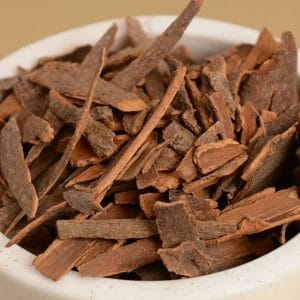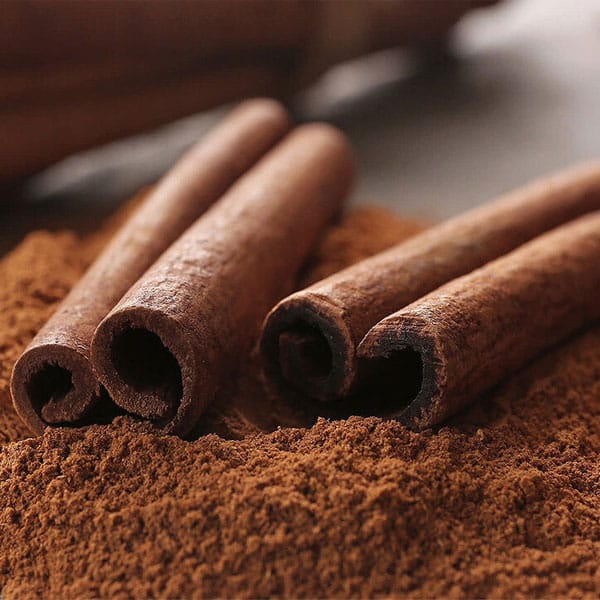
If you pick up a jar of ground cinnamon in almost any supermarket and read the label carefully, you will usually find a single word describing what is inside, and that word is simply “cinnamon.” The label rarely tells you whether the powder comes from Ceylon, cassia, Saigon, or Korintje trees, even though the color looks right and the aroma is exactly as warm and sweet as you remember. Behind that single word, however, sit several different species that vary noticeably in flavor, price, and chemical makeup, which is the main reason laboratories offer a cinnamon coumarin test alongside species identification.
This guide explains what each of those tests actually answers, which methods laboratories rely on to answer it, and how you can turn the report you receive into practical decisions. It is written for buyers, sellers, food producers, and home cooks who want to understand what is really in their cinnamon rather than simply trusting the packaging. Cinnamon is one of the spices most frequently affected by mix-ups, because cheaper cassia is sometimes sold as the more expensive Ceylon type, and substitution that testing catches is one of the most common reasons buyers ask for laboratory confirmation in the first place. If you would like to see how this spice is grown and where its different types originate, the cinnamon record gives helpful background before you continue.
cinnamon coumarin test
Two Different Questions: Species and Coumarin
Many people assume that “species” and “coumarin” describe a single test, but they are two separate questions, and a laboratory may answer one of them, the other, or both depending on what you ask for. The species question asks what the sample actually is, and because commercial cinnamon comes from the inner bark of several related trees, the answer might be true Ceylon cinnamon or one of the cassia types, which can look alike on a shelf while still being different products.
The coumarin question asks how much of that naturally occurring compound the sample contains, and it matters because coumarin is generally reported to be far more abundant in cassia types than in Ceylon cinnamon. Food safety teams and manufacturers pay close attention to this figure, since cinnamon is a spice that many people eat regularly and in a wide range of products. The two answers are related, but they are not interchangeable, because a low coumarin reading does not prove that a sample is Ceylon, and a confirmed species does not tell you the exact coumarin level. If your decision depends on both facts, the sensible approach is to request both tests from the start.
Why Ground Cinnamon Can Only Be Settled in a Laboratory
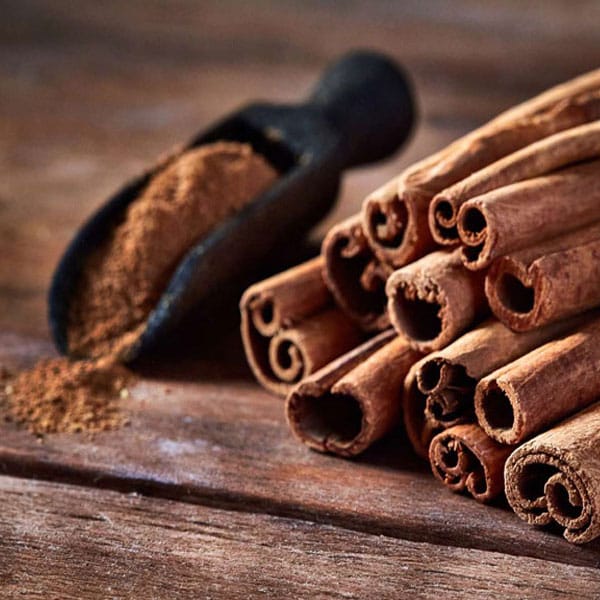
When cinnamon is sold as whole quills, an experienced buyer can learn a surprising amount simply by looking, because Ceylon is typically rolled from thin, delicate layers while cassia tends to appear as thicker and harder bark. These physical clues are real and genuinely useful, and they are often the first thing a trained analyst examines when a whole sample arrives at the bench.
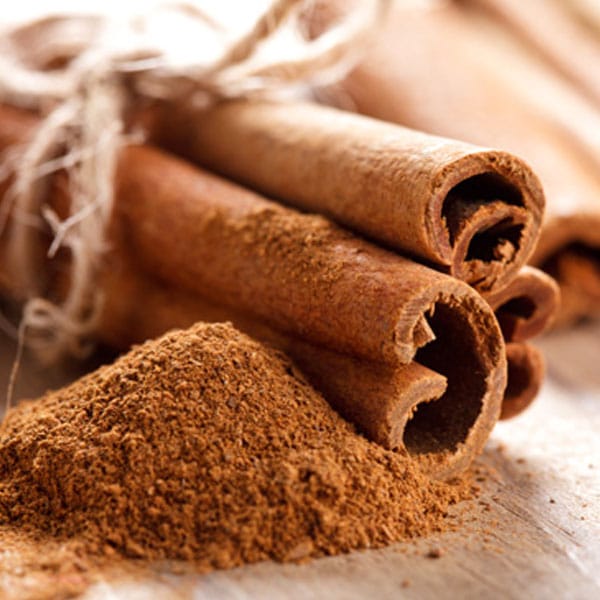
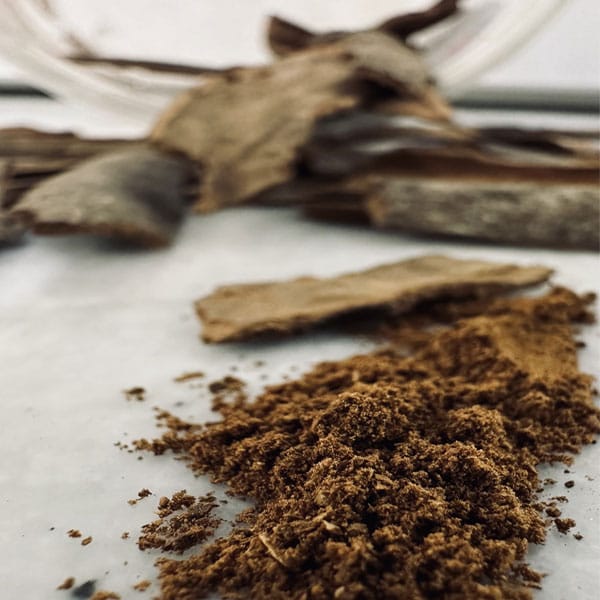
Grinding removes nearly all of those clues at once. The rolled layers, the thickness of the bark, and the color variation along the quill disappear, leaving a fine brown powder that looks almost identical regardless of which tree it came from, and this is precisely why powder hides the species so effectively from the human eye. Taste and aroma do not rescue the situation either, because age, storage conditions, and processing all change how cinnamon smells and tastes, so two jars of the same species can seem quite different while two different species can seem convincingly alike. For ground cinnamon, the only dependable way to know what you are holding is to have it tested.
cinnamon coumarin test
The Methods Laboratories Use
Laboratories choose their methods according to the question being asked, the physical form of the sample, and the equipment they have available, which is why the same cinnamon may be examined in different ways at different facilities. Whole quills and bark pieces are often inspected visually by a trained analyst as a first screen, although this approach cannot help once the cinnamon has been ground into powder. Microscopy, a long-established technique in spice analysis, examines plant tissue for structural features and can be applied to ground material as well.
When a laboratory needs to compare chemical patterns, it may use thin-layer chromatography, which separates the compounds in a sample so they can be compared with reference materials and is commonly used as a screening step. For measured values, high-performance liquid chromatography is a widely used instrumental method, and coumarin is a typical target when a buyer wants a number rather than a simple yes or no. Gas chromatography–mass spectrometry is another instrumental technique, used to profile the aromatic and chemical makeup of a sample, while spectroscopic approaches such as infrared or NMR compare a sample’s overall profile with reference samples of known species. Some laboratories also offer DNA-based testing for species identification, although how well it performs on heavily processed material depends on both the method and the laboratory. Because no single method is best for every situation, it is worth asking the laboratory which method it plans to use for your specific question and why it considers that method appropriate.
How to Prepare a Sample That Gives a Reliable Result
A reliable result begins well before the sample reaches the laboratory, and a few simple habits can make the difference between a report you can act on and one that raises more questions than it answers. Start by deciding exactly what you need to learn, and tell the laboratory whether you want species confirmation, a coumarin measurement, or both, since this determines which methods will be used.
cinnamon coumarin test
Next, make sure the sample is representative. If you are testing a lot or a batch, take material from several points instead of only the top of one bag, because the contents of a large shipment are not always perfectly uniform. Place the sample in a clean, dry, airtight container so it is not contaminated or degraded on the way, and label it clearly with the product name, lot number, supplier, and form, whether whole, cracked, or ground. If the package claims to contain Ceylon cinnamon, say so in your request, because the laboratory can then set up the test to verify that specific claim. Finally, if you buy in volume, keep a sealed reference portion from every lot, since it makes any later disagreement with a supplier far easier to investigate.
How to Read Your Test Report
Laboratory reports can look dense at first glance, yet most of their value sits in a handful of places that are easy to check once you know where to look. Begin with the method, because a screening result and a quantitative result carry different weight, and you should always know which of the two you have received. Then look at the type of result, remembering that a species result states identity while a coumarin result states an amount, and that neither should be read as a substitute for the other.
Reputable reports also note detection limits or measurement uncertainty, which matters because small gaps between two numbers may not be meaningful at all. Whether a particular result is acceptable depends on your purpose and on the rules that apply in the market where you sell, so it is wise to check current regulations or official guidance for your region instead of relying on a single figure from an article. If a result surprises you, ask the laboratory whether a repeat analysis or a second method would be appropriate before you make any commercial decision based on it.
cinnamon coumarin test
Mistakes That Lead to Misleading Conclusions
The most common mistake is judging cinnamon by appearance or smell, since neither color nor aroma reliably identifies a species once the spice has been ground. Another frequent error is treating a single good result as permanent, when in reality one lot can differ from the next and a clean report on one batch says nothing certain about the following delivery. Many buyers also accept the label as proof, even though a label is only a claim and a test is the evidence that supports or contradicts it. Finally, a poorly collected or contaminated sample can mislead even the most capable method, and mixing up the species question with the coumarin question can lead to conclusions that neither result actually supports.
A jar of cinnamon can look perfectly simple while hiding a great deal of variation, and that variation is exactly what species and coumarin testing are designed to reveal. Species testing tells you what the product really is, coumarin testing tells you how much of that compound it contains, and for ground cinnamon, where appearance gives nothing away, laboratory analysis is the dependable way to know. Decide which question matters most to you, choose a laboratory and method that fit it, send a clean and representative sample, and read the report with its limits in mind.
Records mentioned in this article

Frequently Asked Questions
With whole quills, visual differences such as thickness and layering can offer useful hints, but with ground cinnamon there is no reliable home method, so a laboratory test is the dependable route.
It depends on your goal, because species testing verifies what the product is while coumarin testing tells you how much of that compound is present, and many buyers choose to order both for a complete picture.
The answer depends on the question and the sample, since chromatography-based methods are commonly used for measuring coumarin while species identification may combine several approaches.