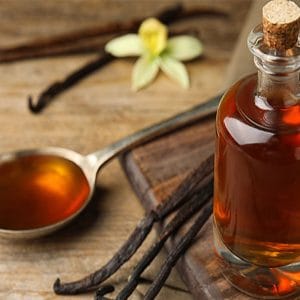
Few kitchen moments bring baking to a sudden halt quite like peeking into your pantry mid-recipe and discovering an empty bottle of vanilla extract. The butter is creamed, the eggs are cracked, the dry ingredients are whisked, and your amber bottle holds nothing more than a faint aroma clinging to glass.
In home baking and pastry work, vanilla is often treated as background noise—an automatic teaspoon added out of habit. In reality, vanilla is the culinary equivalent of salt for sweet dishes. Real cured vanilla contains hundreds of aromatic volatile compounds, led by vanillin, that smooth out the sulfurous edge of eggs, amplify butterfat, round off sharp acidity, and deepen sweetness.
When you find yourself without it, you do not need to abandon the batch. Choosing the right vanilla substitute depends entirely on what role vanilla was meant to play in your bowl. Whether your recipe originally called for whole beans, liquid extract, or a rich concentrate—a decision explored in our guide to choosing between a [vanilla bean, extract, or paste]—several everyday pantry staples can step in to rescue your dessert.
Below is a breakdown of the best alternatives, complete with exact replacement ratios, ideal recipe pairings, and an honest assessment of how each option reshapes your final flavor profile.
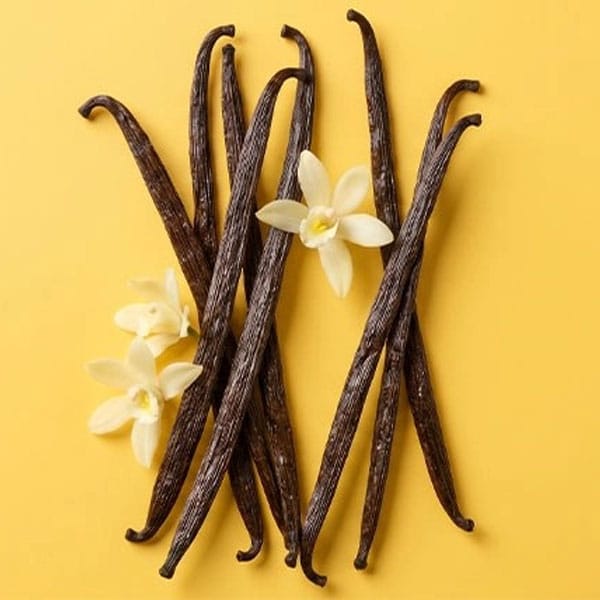
vanilla substitute
1. Pure Maple Syrup
Pure maple syrup is one of the most reliable and readily available direct stand-ins for vanilla extract. Because it carries genuine caramelized wood sugars, it supplies the mellow, rounded sweetness that baked goods lose when vanilla goes missing.
Replacement Ratio: Use a 1:1 ratio (1 teaspoon of pure maple syrup for every 1 teaspoon of vanilla extract).
Flavor Impact: Slight to moderate flavor change. Maple syrup does not mimic vanillin directly; instead, it introduces soft notes of toffee, toasted oak, and woodsy warmth. In chocolate chip cookies, quick breads, pecan tarts, and oatmeal bakes, the flavor shift feels completely intentional and cozy. However, in light angel food cakes or pristine white buttercreams, it will lend a subtle golden tint and a distinct maple whisper.
Baker’s Tip: Use Grade A Amber or Dark maple syrup. Avoid synthetic pancake syrup (corn syrup with artificial flavoring), as it offers high fructose sweetness without any aromatic depth.
2. Bourbon, Dark Rum, or Brandy
Standard pure vanilla extract is made by macerating cured seed pods in neutral alcohol and water. Reaching for an aged, dark spirit makes structural and chemical sense: aged liquors derive much of their flavor from charred oak barrels, which naturally release vanillin and lactones during aging.
Replacement Ratio: Use a 1:1 ratio (1 teaspoon of liquor for every 1 teaspoon of vanilla extract).
Flavor Impact: Moderate flavor enhancement. Bourbon yields caramel, smoke, and corn-sweet tones. Dark rum brings deep sugarcane molasses notes, while brandy introduces fruity warmth. During baking, the harsh ethanol notes evaporate in the oven heat, leaving behind an earthy, complex undertone.
Best Used In: Rich, dense bakes such as fudgy brownies, chocolate lava cakes, gingerbread, pumpkin pies, and fruitcakes. Skip liquor in cold, raw preparations like whipped cream or pastry glazes unless you want a noticeable alcoholic kick.

vanilla substitute
3. Pure Almond Extract
Almond extract is an intensely aromatic extract distilled from bitter almond oil. It delivers instant fragrance and depth, making it a favorite for bakers seeking an assertive, gourmet flair.
Replacement Ratio: Use a 1:2 ratio—cut the quantity in half (use 1/2 teaspoon of almond extract for every 1 teaspoon of vanilla extract).
Flavor Impact: Significant flavor change. Almond extract does not attempt to hide. It introduces a pronounced marzipan, nutty, stone-fruit profile that will decisively alter your dessert. When kept at half-measure, it rounds out the richness of butter and flour beautifully without overpowering the palate.
Best Used In: Sugar cookies, shortbread, pound cakes, berry galettes, peach cobblers, and scone glazes. Avoid it in recipes where chocolate is the star, as strong almond notes can clash with dark cocoa bitterness.
4. Raw Honey or Agave Nectar
Liquid sweeteners bring viscous body and floral sugar compounds that mimic the coating sensation vanilla provides on the tongue.
Replacement Ratio: Use a 1:1 ratio (1 teaspoon of honey or agave for every 1 teaspoon of vanilla extract).
Flavor Impact: Mild to moderate change. Agave nectar is remarkably neutral, adding soft sweetness with virtually no aftertaste, making it great for vanilla-neutral doughs. Honey, conversely, will imprint the unmistakable botanical notes of whatever blossoms the bees visited—clover, wildflower, or orange blossom.
Best Used In: Muffins, soft drop cookies, banana bread, and pancake batters. If your recipe requires more than two teaspoons of honey as a substitute, reduce the granulated sugar in your mix by half a tablespoon to prevent excess browning.
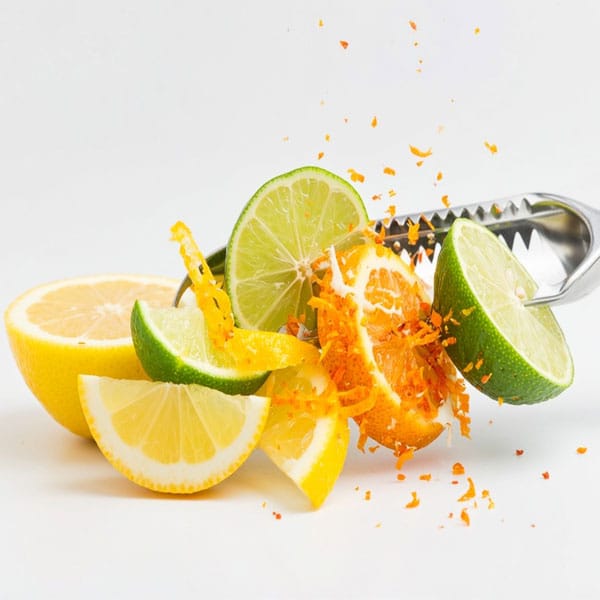
5. Fresh Citrus Zest (Lemon, Orange, or Meyer Lemon)
If you have no liquid extracts or dark spirits in the cabinet, turn to the fruit bowl. The outermost layer of citrus peel contains concentrated essential oil glands that cut through dairy richness and elevate bakery aromas just as effectively as vanilla.
Replacement Ratio: Use 1/2 to 1 teaspoon of finely grated zest for every 1 teaspoon of vanilla extract.
Flavor Impact: Complete flavor pivot. Citrus zest will steer your bake in an entirely fresh, bright, and vibrant direction. It replaces vanilla’s soothing warmth with lively, aromatic acidity.
Best Used In: Vanilla pound cakes, cheesecakes, shortbread, sugar cookies, fruit tarts, and ricotta bakes. Be sure to grate only the colored outer skin; the white pith underneath is bitter and unpleasant.
vanilla substitute
6. Ground Warm Spices (Cinnamon, Cardamom, or Nutmeg)
Spices work through warmth rather than sweetness. If the core purpose of vanilla in your recipe is to make the pastry feel comforting and aromatic, freshly ground spices will step up admirably.
Replacement Ratio: Use 1/4 to 1/2 teaspoon of ground spice for every 1 teaspoon of vanilla extract.
Flavor Impact: Distinct flavor shift. Spices change the recipe into an intentional spiced bake. Cinnamon creates autumnal warmth, freshly grated nutmeg offers nutty bakery notes, and cardamom adds an herbal, Scandinavian elegance.
Best Used In: Apple pies, carrot cakes, snickerdoodles, oatmeal cookies, and waffle batter. Start with a conservative 1/4 teaspoon; spices can quickly dominate delicate flours.
7. Espresso Powder or Brewed Strong Coffee
In chocolate-centric recipes, vanilla is rarely intended to make the dessert taste like vanilla. Its sole culinary purpose is to mask the flat, chalky elements of cocoa powder and accentuate roasted cocoa butter notes. Coffee does this job with even greater precision.
Replacement Ratio: Use 1/2 teaspoon of instant espresso powder (whisked into the dry ingredients) or 1 teaspoon of strongly brewed espresso for every 1 teaspoon of vanilla extract.
Flavor Impact: Targeted enhancement. In chocolate bakes, coffee does not make the final product taste like a mocha; it simply makes chocolate taste darker, richer, and more intense. In yellow or vanilla cakes, however, it will impart a clear coffee-caramel flavor and darken the crumb.
Best Used In: Brownies, devil’s food cake, chocolate chip cookies, chocolate ganache, and chocolate frostings.

vanilla substitute
Can You Simply Omit the Vanilla Entirely?
Yes. In many everyday home-baking scenarios, you can skip vanilla without replacing it with anything at all.
If your recipe features strong competing ingredients—such as sharp cheeses, heavy peanut butter, lemon juice, toasted nuts, or high percentages of dark chocolate—leaving vanilla out will cause only a minor, barely perceptible drop in aromatic complexity. The structural integrity, rise, crumb, and moisture balance of the bake will remain completely intact.
Where you should never skip vanilla without a replacement is in dairy- and egg-forward confections: pastry creams, crème brûlée, vanilla custards, flan, and simple yellow birthday cakes. In these applications, vanilla’s high concentration of aroma compounds acts as an essential buffer against the sulfurous odors of cooked egg whites and yolks. Without an aromatic substitute like citrus zest, bourbon, or honey, these desserts can finish with an unpleasantly eggy aftertaste.
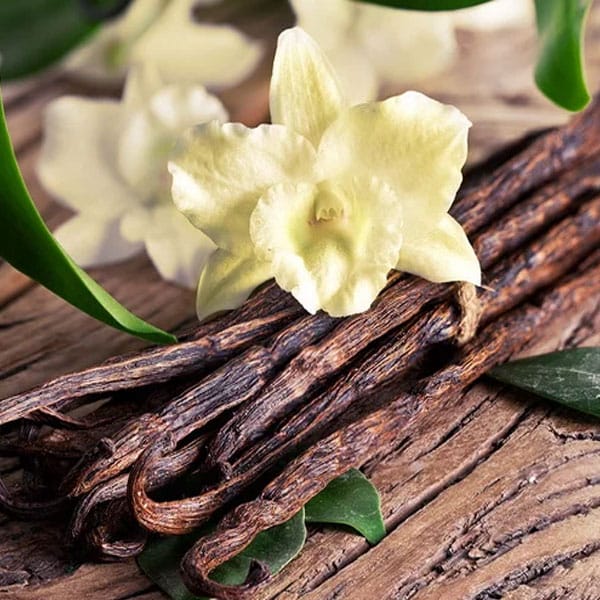
For recipes that specify whole cured pods, understanding [how much extract equals one vanilla bean] helps you assess whether an extract substitute or a structural spice replacement is the better path forward. After all, the extraordinary sensory complexity of cured beans comes from the intricate labor, terroir, and curing practices tied to the botanical origin of vanilla beans.
Records mentioned in this article
Frequently Asked Questions
Yes. If you are baking chocolate chip, peanut butter, or oatmeal raisin cookies, you can omit vanilla completely. The dough will bake, rise, and crisp normally. The final cookie will simply taste slightly sweeter and less nuanced, with the butter and sugars taking center stage.
Pure almond extract is significantly more concentrated and volatile than pure vanilla extract. Using it at a standard 1:1 ratio would overwhelm your batter with a heavy marzipan perfume, masking the butter and eggs. Cutting the measurement in half ensures aromatic depth while preserving the recipe’s balance.
No. Standard baking temperatures (between 325°F and 375°F / 165°C and 190°C) evaporate the vast majority of the volatile alcohol content within the first 15 to 20 minutes in the oven. What remains are non-volatile wood sugars, oak tannins, and vanilla-like caramel notes that enrich the crumb without any harsh burn.