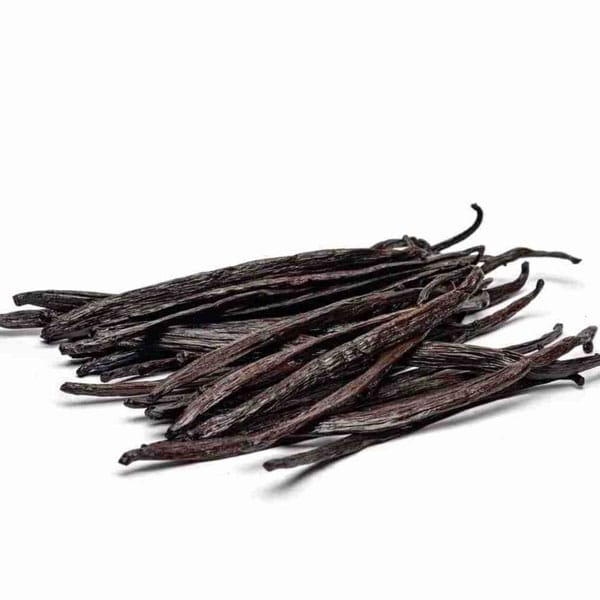
Opening a fresh, vacuum-sealed pouch of gourmet vanilla beans is one of the most rewarding sensory experiences in baking. A high-quality bean feels supple, heavy in the hand, and slightly oily to the touch, releasing an aroma that synthetic vanillin could never replicate. Yet, because vanilla remains one of the world’s most prized and labor-intensive botanical crops—cultivated through meticulous hand-pollination detailed in our guide to the global origins and sourcing of vanilla beans—wasting even a fraction of a pod is culinary heartbreak.
Mastering how to use a vanilla pod requires very little technical equipment, but it does demand a specific touch. Scraping the pod properly ensures you collect every grain of aromatic “caviar” without shaving bitter woody fibers into your custards or frostings. Here is the definitive, kitchen-tested method to extract maximum flavor and get the absolute most out of every pod.
What You Need
A fresh, plump vanilla pod: Ensure it bends comfortably between your fingers without snapping.
A small, sharp paring knife: While sharpness is vital for slitting the bean, you will use the dull spine of the blade for the actual scraping.
A clean, completely dry cutting board: Avoid textured wooden boards with deep grooves, as tiny seeds can easily lodge in the grain and get lost.
how to use a vanilla pod
Step-by-Step: How to Split and Scrape a Vanilla Pod
Step 1: Flatten and Anchor the Pod
Place the vanilla bean flat on your cutting board. Using your non-dominant hand, press your index and middle fingers firmly near the curved stem (top tip) of the pod. Run your other thumb and forefinger down the length of the pod to flatten it against the board. Smoothing out the natural twists makes cutting a straight seam effortless.
Step 2: Slit the Pod Down the Center
Hold the paring knife at a shallow angle. Insert the tip of the blade directly beneath your fingers at the top end of the bean, piercing through the top layer of skin without cutting completely through to the cutting board underneath. In one slow, steady motion, slide the blade down the entire center of the bean toward the opposite end. You want to butterfly the pod along its natural seam, leaving the very tip intact to hold the two halves together.
Step 3: Open the Seam
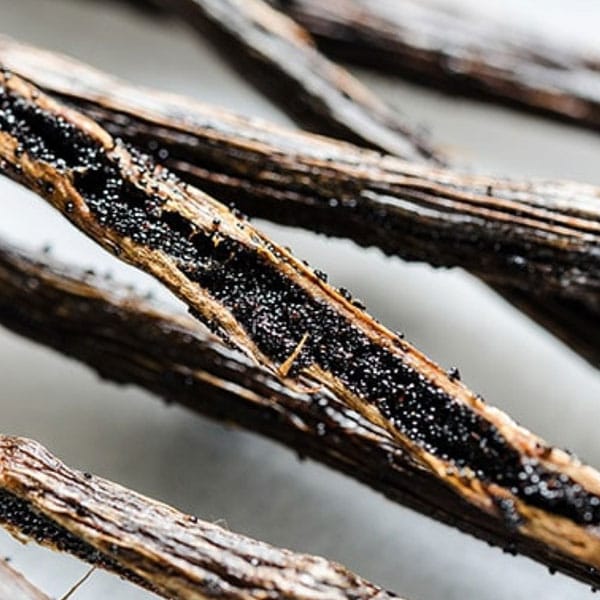
Gently pull the two split sides apart with your fingertips to expose the glossy, paste-like interior. This dense, dark paste contains hundreds of thousands of microscopic seeds suspended in natural essential oils and resin—often referred to by pastry chefs as “vanilla caviar.”
Step 4: Scrape with the Spine of the Knife
Hold the anchored top of the pod firmly with your non-dominant hand. Take your paring knife, flip it over so the dull spine faces downward, and place the spine against the top of one open half. With firm, even downward pressure, scrape the back of the knife along the inside wall toward the bottom of the pod.
Why use the spine? A sharp blade edge will slice through the tough, fibrous outer skin, pulling stringy cellulose into your silky custard. The dull spine collects 100% of the seeds and sticky resins cleanly while leaving the structural pod skin pristine. Repeat this motion on the second half, then wipe the concentrated paste directly off the knife into your mixing bowl or saucepan.
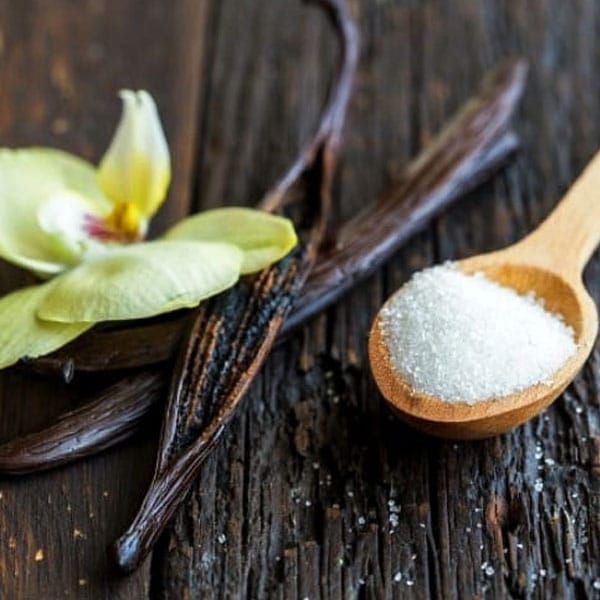
how to use a vanilla pod
How to Cook and Bake with Vanilla Seeds
Once scraped, vanilla seeds can be used in two primary ways:
1. Direct Cold-Incorporation
Because the seeds carry volatile aromatic compounds that disperse instantly in fats and sugars, you can rub the scraped paste directly into granulated sugar for cookie doughs, whip it into buttercream, or fold it into whipped cream, cheesecakes, and tart fillings. Rubbing the seeds into sugar with your fingertips before mixing helps distribute the clumped seeds evenly throughout the batter.
2. Warm Liquid Infusion
For warm desserts—such as crème brûlée, pastry cream, panna cotta, and homemade gelato—add both the scraped seeds and the split pod directly into your milk or heavy cream. Bring the dairy to a gentle simmer, turn off the heat, cover the pot, and let it steep for 15 to 30 minutes. The residual heat draws out the deep, woody, and floral undertones locked within the bean walls that scraping alone cannot liberate.
If you are deciding between spending on fresh pods or using pantry staples for a recipe, evaluate our practical comparison of whole pods, pure extract, or vanilla bean paste to determine which format fits your preparation best.
Never Throw Away the Empty Pod
The single biggest mistake home bakers make is tossing the scraped pod into the trash. The empty pod skin still contains roughly half of the bean’s total aromatic compounds. Discarding it is essentially throwing away money and flavor.
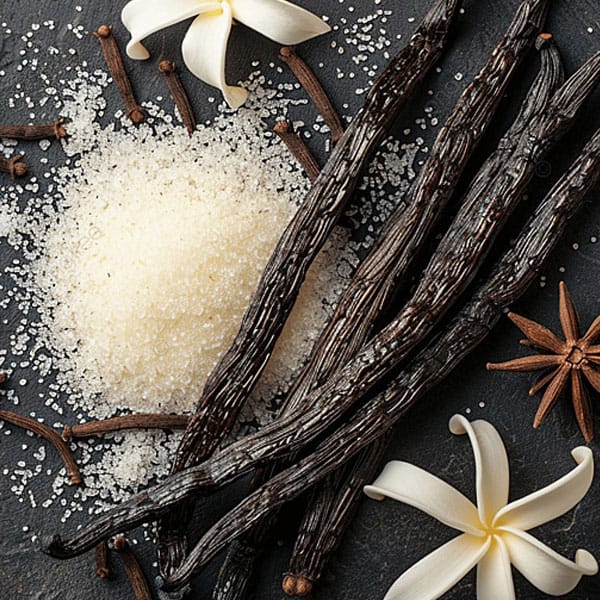
how to use a vanilla pod
Instead, wash the spent pod gently under cold water to remove any residual dairy, pat it completely dry with paper towels, and let it air-dry on a wire rack for 24 to 48 hours until stiff. Once dried, you can give it a second life:
Vanilla Sugar: Bury two or three spent pods in an airtight jar containing two cups of granulated sugar. Within two weeks, the oils will infuse the crystals, creating an aromatic staple for morning coffee and everyday baking. Read our step-by-step guide to making homemade vanilla sugar from spent podsfor precise ratios and storage techniques.
Vanilla Salt: Drop a dry spent pod into a container of flaky sea salt (such as Maldon) to create a subtle finishing salt for chocolate truffles, caramel sauces, or seared scallops.
Infused Simple Syrup: Simmer spent pods with equal parts water and sugar for 10 minutes to yield an intensely fragrant syrup for cocktails, iced lattes, and cake soaks.
Records mentioned in this article
Frequently Asked Questions
A high-quality, fresh vanilla bean should feel supple, oily, and flexible; it should easily wrap around your finger without snapping. If the bean is stiff, brittle, or feels dry to the touch, it is likely aged or has lost its essential oils, which will result in a less potent infusion. Always store your beans in a cool, dark place in an airtight container to maintain their pliability.
Yes, it can be detrimental. Using the sharp edge of a knife to scrape the seeds often shreds the inner fibrous wall of the pod, introducing bitter, woody cellulose into your mixture. We highly recommend using the dull spine (back) of your paring knife to collect the vanilla caviar; this ensures a clean harvest of seeds and aromatic resins while leaving the tough, fibrous skin intact for secondary uses.
Vanilla bean paste is an excellent alternative because it provides the visual “specks” of caviar and a concentrated flavor profile similar to a fresh pod. Generally, you can use a 1:1 ratio—one tablespoon of high-quality vanilla bean paste is roughly equivalent to the yield of one whole scraped vanilla pod. However, if your recipe relies on the infusion of the pod itself (e.g., simmering in heavy cream), you may need to adjust your technique, as paste will fully incorporate into the liquid rather than being removed later.